How to Grow Campanula (Bellflower)? Detailed Guide to Cultivation Methods and Precautions
Campanula is often planted at the edges of flower beds, courtyards, or gardens. Its unique flower shape and bright, clean, pure and elegant colors, blooming in large masses, are especially beautiful and make people feel cheerful and happy. With its cute, elegant flower shape, potted campanula placed indoors can create a distinctive decorative effect. Of course, it can also be combined with other plants and flowers such as sunflowers, ivy, etc., to create a thriving, vibrant and joyful atmosphere. Purple campanula, paired with delphinium, lilies, and asparagus fern, displays a quiet and gentle elegance.
After the campanula seeds germinate and sprout, thin the seedlings and transplant them with soil. Generally, spring-sown seedlings only grow branches and leaves in the first year, overwinter in winter, and are potted in May of the following year. Autumn-sown seedlings are potted and overwintered in a cold frame; as the seedlings grow, they are repotted, and in the following year they are maintained as potted flowers. It is only in the summer of the 3rd year that they enter the flowering period. During the summer seedling stage, cool, ventilated and well-drained conditions should be created. During the growing period, sufficient water is needed, and fertilizer and water management should be strengthened with careful maintenance, so that the plants can grow and develop normally in a cool, ventilated environment.
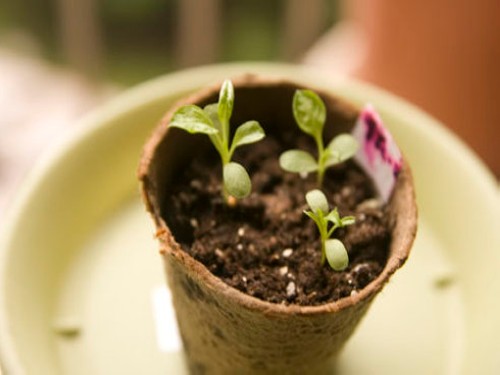
Below, the editor will introduce the cultivation methods for campanula:
Propagation methods:
Campanula is commonly propagated by sowing. The sowing time is in autumn, from August to September. Sow the prepared seeds in a shallow pot or wooden box and place it in a shady place. Campanula seeds are tiny, so after sowing, do not cover them with too much soil; just ensure the seeds are not visible. When watering the seedlings, use a fine-rose watering can or a sprayer to spray water, so as to avoid overwatering that causes the seeds to be submerged and the roots to rot.
Seedling handling:
After the seedlings grow roots, they can be transplanted, still using a shallow pot. During transplanting, be careful not to break the roots. When the seedlings grow to about 5 cm tall, they can be transplanted into a 10 cm tall pot. After the seedling roots fill the pot, repot again. Do this 2 to 3 times, until the final flowering year, then move them to a flower bed or the ground.
Light treatment:
Campanula likes long-day conditions. With 14 hours of sunlight per day, it can bloom naturally. If you want to advance the flowering period, simply treat it with 4 hours of interrupted night darkness for 30 days. Campanula does not require growth regulation or pinching. During early growth, campanula's appearance is messy, but in the later growth process it naturally adjusts to be neat and compact, so no special regulation is needed.
Fertilizer and water management:
Before the radicle appears, campanula should be kept at relatively high relative humidity, and the substrate should also be relatively moist. If necessary, cover the new seedlings with a layer of coarse vermiculite to retain moisture. If you want the seedlings to grow quickly, apply 30 to 50 PPM calcium nitrogen fertilizer, and then apply calcium fertilizer on that basis to make them grow quickly.
Note that campanula needs to go through two winters before it can bloom, so cultivation requires patience, especially in the hot summer weather, which can easily cause the plants to wither. Potted campanula should not be placed on the back side of high-rise buildings to prevent exposure to the sun, and leaf spraying and cooling should be strengthened in a timely manner. Campanula is also a sun-loving plant, so it should not be placed in a shady place for a long time without light.
The following are the key points for growing campanula summarized by the editor:
1. Soil: Campanula likes loose, fertile and well-drained loam.
2. Sunlight: Campanula likes long-day conditions. With 14 hours of sunlight per day, it can bloom naturally. If you want to advance the flowering period, simply treat it with 4 hours of interrupted night darkness for 30 days.
3. Watering: Before the radicle appears, campanula should be kept at relatively high relative humidity, and the substrate should also be relatively moist. If necessary, cover the new seedlings with a layer of coarse vermiculite to retain moisture.
4. Fertilizing: If you want campanula seedlings to grow quickly, apply 30 to 50 PPM calcium nitrogen fertilizer, and then apply calcium fertilizer on that basis to make them grow quickly.
5. Pests and diseases: Common diseases of campanula include powdery mildew, leaf spot, and rust, which can be sprayed with 50% carbendazim wettable powder diluted 1500 times. Pests are mainly aphids and thrips, which can be killed by spraying with 40% omethoate emulsifiable concentrate diluted 1500 times.