-

What to Do When Schefflera Leaves Turn Yellow, Black, and Drop Off? Causes and Solutions
When schefflera leaves turn yellow, black, and drop off, it is usually due to insufficient light, overwatering, or temperatures below 15°C. This article analyzes the causes of yellow leaves and shares rescue methods such as controlling water, supplementing light, and pruning to help you grow your schefflera well.
-
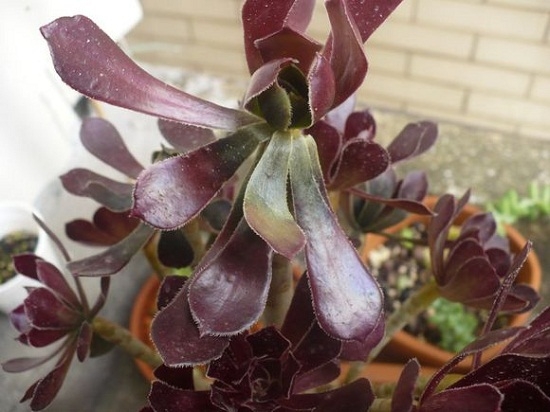
Causes and solutions for Aeonium arboreum 'Zwartkop' dropping leaves
If your own Aeonium arboreum 'Zwartkop' is dropping leaves, don't panic just yet. First, let's look at exactly why your plant is losing leaves. Here are several common situations of leaf drop in Aeonium arboreum 'Zwartkop' - check and see which one matches yours.
-
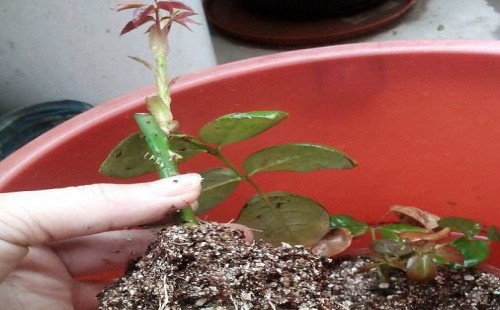
What causes rose cuttings to turn black after propagation?
For home gardeners, potted rose seedlings are generally obtained through cuttings, and the method is relatively simple: you can root them in soil or in water. As long as the cutting method is sound and the care is reasonable, both methods are very easy to succeed with. However
-
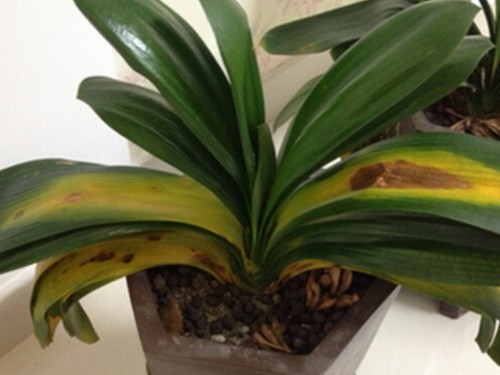
What to Do When Potted Clivia Leaves Turn Yellow? Causes and Solutions
A reader asked: what should I do when Clivia leaves turn yellow? Why do Clivia leaves turn yellow? There are generally several situations in which Clivia leaves turn yellow. If the lowest leaves grow new roots from the leaf axils and the leaves turn yellow, this is normal metabolism. In one situation, no new roots grow from the leaf axils and the leaves turn yellow.
-
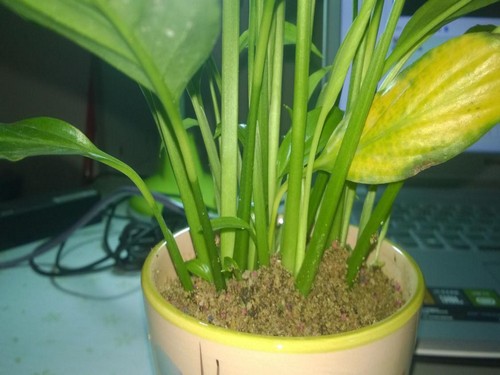
What to Do When Peace Lily Leaves Turn Yellow and Droop? Causes and Solutions
With the development of modern life, many people are willing to keep a potted green plant at home, and the peace lily (Spathiphyllum) is a common green plant, but peace lilies grown at home easily develop yellow leaves. There are many causes of yellowing in peace lilies, and the main cause is waterlogging. What exactly are the causes of yellowing peace lily leaves?
-
What to do when periwinkle leaves turn yellow? Causes and solutions for potted plants
Periwinkle (Catharanthus roseus) is best grown in fertile, well-drained soil. It is a light-loving plant and must have plenty of sunlight during the growing season. It prefers a warm, slightly dry, sunny environment. When fertilizing, you can apply a compound fertilizer and a liquid fertilizer alternately once every ten days. It dislikes wet conditions and is afraid of waterlogging, so the potting soil should not be watered too much. The plant itself is toxic
-
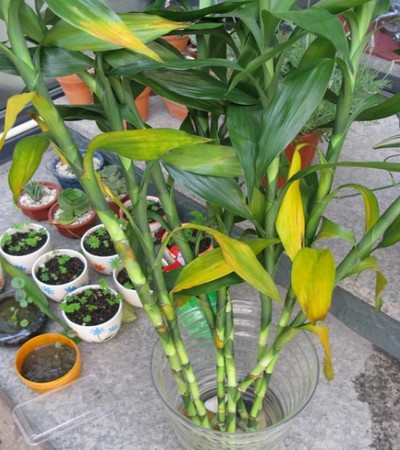
What to Do When Potted Bamboo Leaves Turn Yellow? Causes and Solutions
Bamboo grows relatively fast and is easy to cultivate; it can even thrive when the potting soil is submerged in water, and it can also grow in water, which is why it is also called water bamboo. It naturally has a quiet, elegant posture, with upright stems and lush leaves, distinct layers, graceful and natural, evergreen all year round. It is an excellent choice for indoor display and also a good material for cut flowers. Its care is simple and its management is undemanding
-
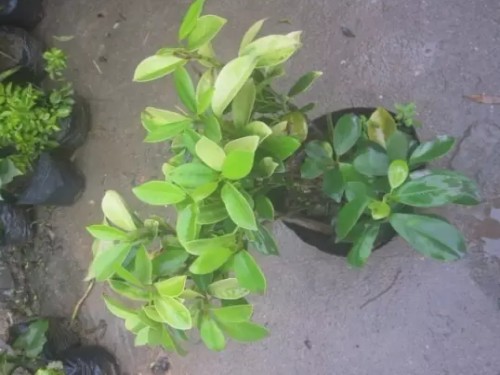
What to do when the leaves of a small-leaf banyan bonsai turn yellow? Causes and solutions
The small-leaf banyan bonsai is also a type of banyan bonsai. It belongs to the mulberry family and its fruit is somewhat spherical. The fruit comes in various colors, mostly red. The small-leaf banyan uses the banyan tree as its basic material and is pruned to achieve unusual forms in the trunk, roots, stems and leaves of the ornamental banyan. But in our daily care process
-
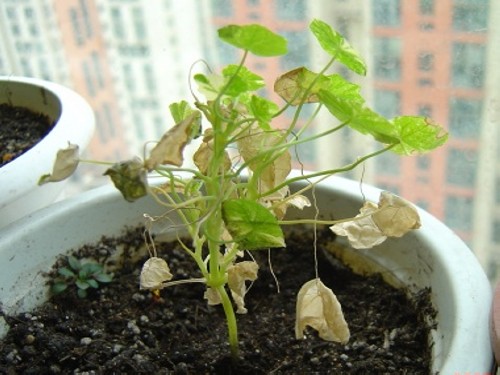
What to Do When Tropaeolum majus Leaves Turn Yellow? Causes and Solutions
Tropaeolum majus, also known as garden nasturtium, can be grown as a perennial in southern China; in North China, it is mostly sown in autumn, grown indoors in pots, and used as a spring-welcoming flower, made to bloom during New Year's Day and the Spring Festival. The leaves are lush and the flowers beautiful, with colors including purplish red, orange-red, and creamy yellow. The trailing stems of garden nasturtium twine and climb, the leaves are shaped like bowl lotus, and when the creamy yellow flowers are in full bloom
-
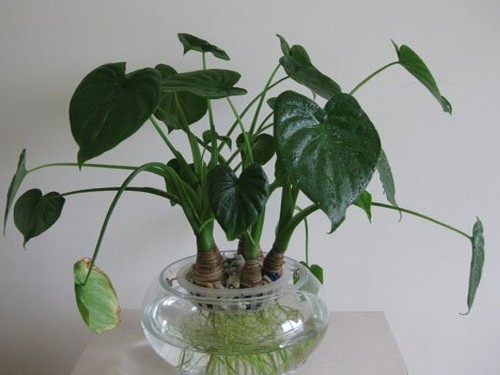
Causes of and Solutions for Root Rot in Water-Cultured Dieffenbachia (Alocasia macrorrhizos)
Many gardening enthusiasts run into the problem of root rot in water-cultured Dieffenbachia. In fact, this situation mostly arises because enthusiasts do not understand water-cultured plants well enough. Many enthusiasts think that simply putting the plant's roots into water is enough, but this is actually wrong. Water-cultured plants must go through a series of steps such as root washing, disinfection
条件筛选