-

Don't panic if your Christmas cactus (Schlumbergera) has soft leaves! Identify the 5 main causes and treat them accordingly, and the leaves will soon be firm again!
When the leaves of a Christmas cactus are thick and green, it looks especially lively, but soft leaves are a common problem in care - some become wrinkled and dull, while others wilt so much they droop at the slightest touch. In fact, soft leaves are mostly caused by improper care, so find the cause and treat it accordingly, and it will soon regain its plumpness! 1. Lack of water and dry wilting: the potting soil is cracked and the leaves are shriveled
-

Causes of Black Spots and Brown Patches on Phalaenopsis Roots and Related Diseases
After a Phalaenopsis (moth orchid) blooms, it is truly "unforgettable," so placing it casually anywhere in a home or shop instantly elevates the space. However, no matter how beautiful the flower, caring for it is never smooth sailing, and root rot is the most common problem! Once it starts developing yellow leaves, buds that refuse to open,
-

Aerial Roots of Phalaenopsis: The Ins and Outs of Dry vs. Wet, and What Causes Them to Dry Out
Anyone who grows Phalaenopsis orchids is surely impressed by those few aerial roots sticking out of the potting medium -- either wrinkled like sun-dried preserved mustard greens, or plump like a sea cucumber full of water. So should these things be dry or wet? And if they dry out, how do you save them? Actually, the aerial roots of Phalaenopsis can't be too dry, nor should they be wet all the time; they need
-

Is a wrinkled aerial root on a Phalaenopsis orchid a sign it has gone bad? What causes aerial roots on Phalaenopsis orchids to wrinkle?
Aerial roots that were once plump and white suddenly turn wrinkled, as if they have shrunk. "Is this root bad? Is my Phalaenopsis orchid about to die?" A wrinkled aerial root on a Phalaenopsis orchid is not necessarily a bad thing; the key is to figure out "why it is wrinkled." This plant is quite peculiar: its aerial roots are not only used to absorb water and
-

Causes and Solutions for Dry Air Roots on Phalaenopsis Orchids
A perfectly healthy Phalaenopsis orchid is growing along, and then suddenly those exposed aerial roots dry up. Some get all wrinkled like shriveled kelp, and others turn dark brown outright. Actually, there is no need to panic about this. First figure out why the aerial roots are drying up, then treat the problem accordingly. Why do aerial roots dry up? The most common reason is air that is too dry. Phalaenopsis
-

Causes of Phalaenopsis Soft Rot and the Most Effective Treatment Methods
Many flower enthusiasts have experienced this: a perfectly healthy Phalaenopsis suddenly develops soft, sticky leaves, or even oozes pus, which is heartbreaking. So what exactly causes this troublesome soft rot? And what medication can treat it? Why do Phalaenopsis get soft rot? The main culprit is a bacterium called Erwinia, which particularly loves damp and stuffy environments.
-

What medicine should be used for stem rot in Phalaenopsis? Detailed explanation of causes and solutions
Growers of Phalaenopsis have probably all heard of "stem rot." Once a Phalaenopsis gets this disease, the leaves droop and the stem rots at the core, and if it is not treated in time, the whole plant may die. Today let's talk about how this disease comes about, what medicine to use, and how to save it. How does stem rot find its way in? The main cause is too much moisture,
-
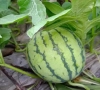
What disease causes black spots on watermelon leaves?
When growing watermelons, do the bright green leaves suddenly sprout lots of black spots, some with yellow halos, and some that keep spreading, making you feel really worried? Actually, black spots on watermelon leaves are mostly caused by diseases. Today I will walk you through, step by step, how to tell apart 3 common diseases and how to treat them. Anthracnose Anthracnose is the most common disease in watermelon cultivation.
-

What causes irregular spots on Phalaenopsis leaves
Suddenly some strange spots have appeared on the Phalaenopsis leaves. The leaves that were originally glossy have suddenly sprouted irregular patches, some yellow, some brown. What exactly is going on? What could these spots be? The most common cause is disease, such as fungal leaf spot disease. The spots may start as small dots and gradually grow
-

Causes of aerial roots and root rot in Phalaenopsis orchids and watering precautions
I believe that whether you are a new flower lover or a veteran one, anyone who has grown "Phalaenopsis" orchids has encountered root rot and aerial roots. The cause of aerial roots is that the root has been lacking water for a long time, and after exhausting itself it becomes shriveled. As for root rot, it is mostly caused by insufficient ventilation and a potting medium that holds water too well, leading to long-term waterlogged conditions.
条件筛选