-
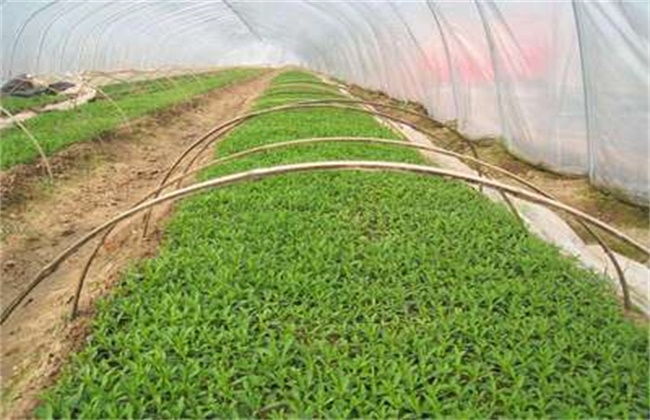
What causes dead seedlings in stevia? A detailed guide to prevention and control methods
Causes of dead seedlings in stevia and prevention and control methods
-
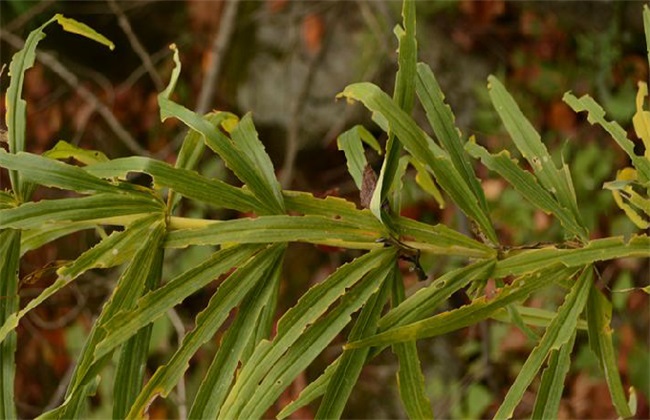
What causes yellowing leaves in polygonatum (Solomon's seal)
What causes yellowing leaves in polygonatum
-
-
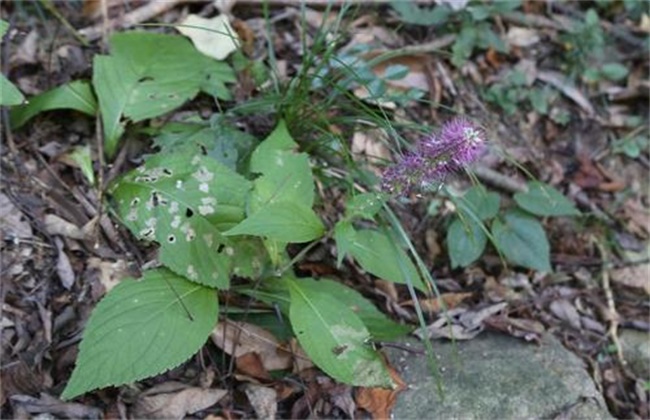
Analysis of the Causes of Scrophularia Root Drying and Its Prevention and Control Methods
Causes of Scrophularia Root Drying and Prevention and Control Methods
-

Causes of flower and fruit drop in Schisandra chinensis and how to prevent and control it
Causes of flower and fruit drop in Schisandra chinensis and control measures
-

What causes early bolting in Angelica sinensis? How to prevent and control it
Causes of early bolting in Angelica sinensis and control methods
-

-

What are the causes of contamination in Lingzhi (Ganoderma) spawning?
1. Damage contamination (1) Container damage: mechanical damage caused by failure to handle with care during filling, sterilization, inoculation, transport and cultivation. (2) Air-pocket damage: rapid heating, pressure rise or rapid cooling during sterilization; excessive exhaust speed, causing bags to swell with air and rupture. 2. Cotton plug contamination (1) Cotton plug contamination: the test tube mouth is stained with culture medium or the bottle (bag) mouth is not clean, or the culture medium comes into contact with the cotton plug. (2) Cotton plug dampened: improper stacking during sterilization, too much water added, or unreasonably built sterilization stove, or culture
-
What causes Gastrodia elata to rot
This is because when Gastrodia elata is cultivated in raised beds and pits, it is covered with 40 cm of fresh tree leaves and undecomposed fallen leaves before freezing to protect it from the cold. The sawdust and fallen leaves themselves contain a certain amount of moisture and organic matter. When 40 cm of fallen leaves pile up together, during the oxidation reaction (fermentation) process, a large amount of heat is generated, causing the Gastrodia elata bed and pit to heat up, with temperatures reaching 34°C. If close attention is not paid and temperature and humidity are not controlled in time, over time the Gastrodia elata will rot from the heat even in winter. In the high-cold forest areas of Jilin Province, 15
-
What are the five main causes of low yields in Gastrodia elata (tianma)
Recently, the editor has often received consultation calls from people saying that the Gastrodia elata they cultivate does not yield much, with some even below 3 kg/sq m. The reporter specifically consulted Cao Debing, a Gastrodia elata expert at the Provincial Academy of Agricultural Sciences, about these issues. According to him, based on the growth principles of Gastrodia elata, there are many causes of low yields. He listed the following five causes, and farmers can check their own production conditions to see whether any of the following situations apply: 1. Armillaria mellea has been subcultured many times, becoming aged and degenerated. Armillaria mellea is the only source of nutrition for Gastrodia elata, so the quality of Armillaria mellea directly has an irreversible impact on Gastrodia elata. In general production, it is required to use detoxified, isolated pure strains, or to use such strains to cultivate fungal material before planting, so as to ensure results; however, in order to reduce costs, some farmers either use ordinary strains, or use old fungal material as "starter", mixing in some new linden wood to let it "transfer the fungus". If a pure strain was used the first time, this method can be used the next year, but it must not exceed three years. Unlimited continuous "fungus transfer" will inevitably lead to strain degeneration and reduced vigor, causing reduced Gastrodia elata yields.
条件筛选