-
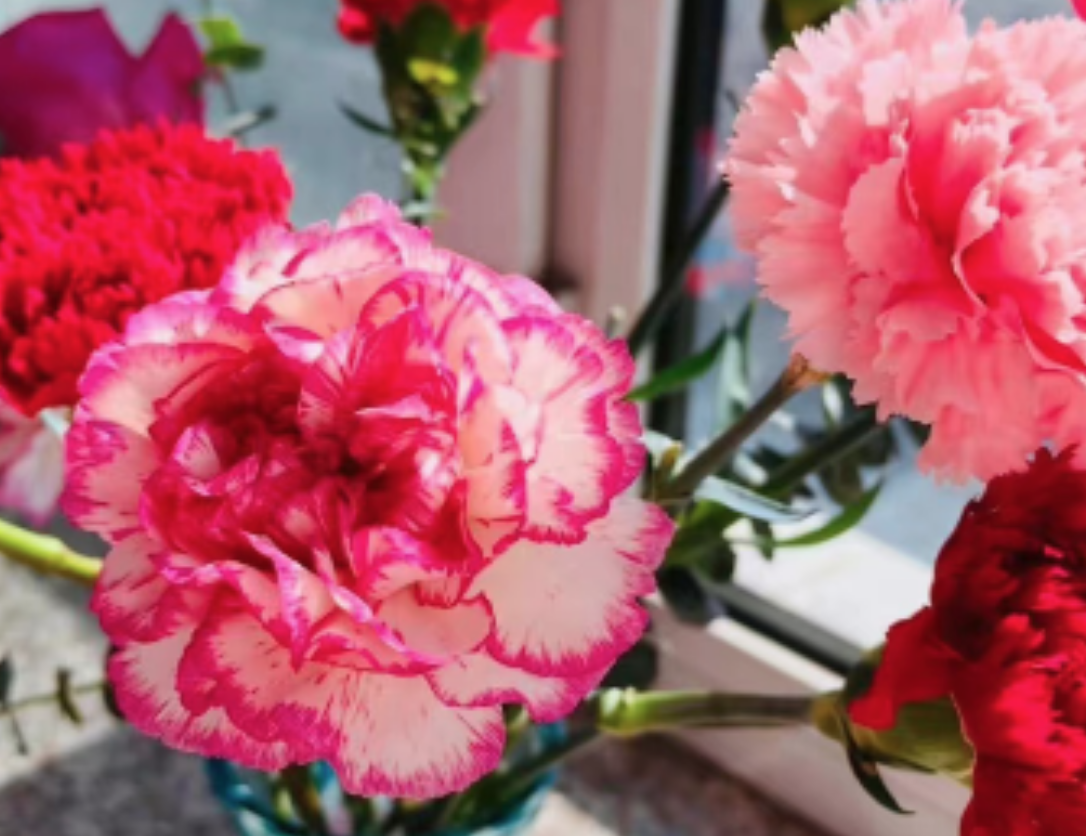
Will there be any influence after manually opening the flowers of carnations?
As is well known, carnation is the flower of maternal love. Its flower shape and rich colors, as well as its long flowering period, are deeply loved by
-
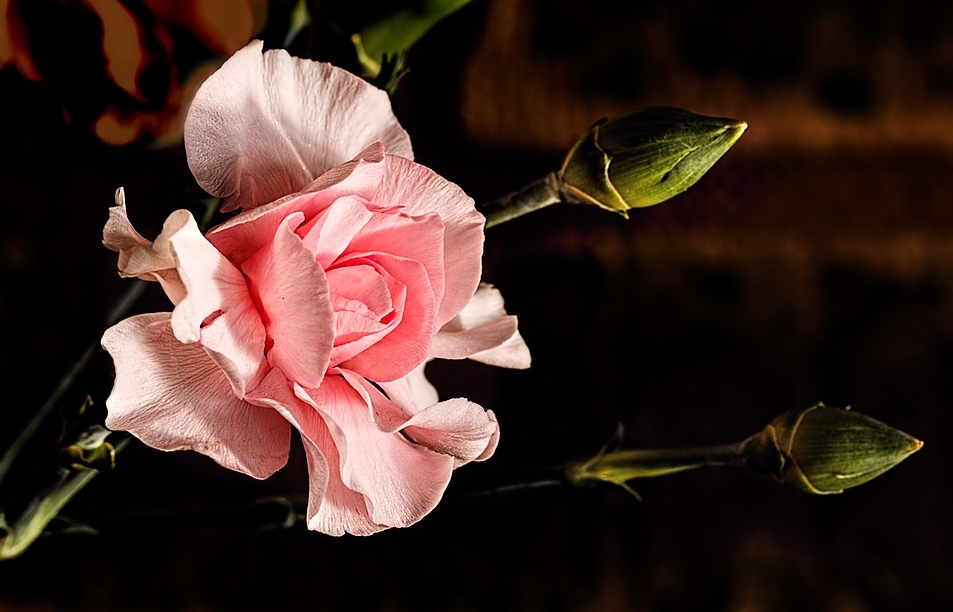
Are Carnations Toxic? How to Grow Them at Home and Whether You Can Eat Them, Explained Clearly
The scientific name of the carnation is Dianthus caryophyllus, also known as lion's head dianthus, large-flowered dianthus, Dutch dianthus, etc. It is a plant of the family Caryophyllaceae and the genus Dianthus, and is deeply loved by people. So, are carnations toxic? How do you grow carnations at home? Can they be eaten? Are carnations toxic? Carnations are non-toxic, so there is no need to worry about this.
-
Are Carnations Poisonous? Keep These Points in Mind When Growing Them
Are Carnation Flowers Poisonous? What to Keep in Mind When Growing Carnations
-
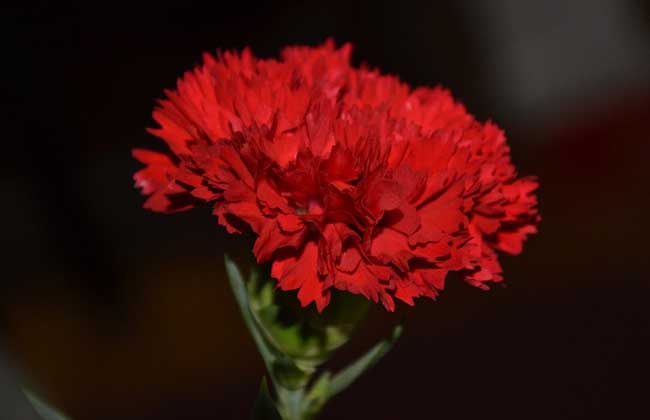
What is the difference between carnations and roses? A quick guide to telling them apart
The difference between carnations and roses
-
How to Grow Potted Carnations and Their Flower Meanings
How to Grow Potted Carnations and What Their Flower Language Means
-

Key Techniques for Winter and Spring Cutting Propagation of Carnations
Carnations are generally propagated by cuttings, carried out in winter and spring, and can be done anytime from December to April of the following year. The lateral buds used as cuttings at this time grow robustly and are of the best quality. At the same time, cuttings taken during this period can control the plants to bloom at New Year's Day and the Spring Festival of the following year. First, the growing medium should be prepared, generally using garden soil mixed with 30%-40% rice husk ash or sandy soil, mixed evenly, then placed in cutting pots or wooden boxes. Cutting must be done in a greenhouse, selecting cuttings from mother plants that are vigorous in growth, uniform in flowering, and have thick, short-jointed branches.
-
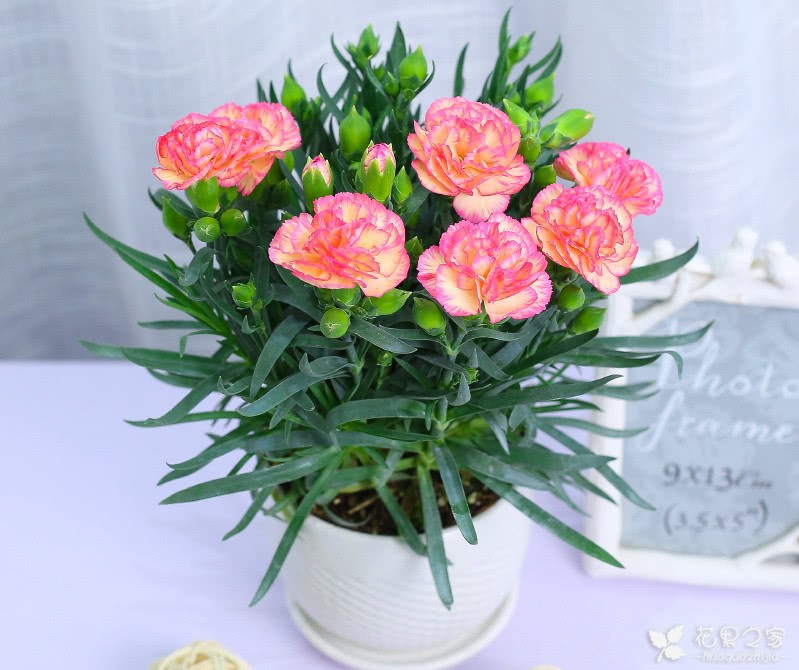
How to Grow Carnations? Care Techniques, Experience and Tips, and Precautions
Carnation is a perennial herb of the Caryophyllaceae family, Dianthus genus, and a flowering ornamental plant. Carnations are an excellent cut flower variety. Dwarf varieties can also be used for potted display. The flowers can also be used to extract essence. This flower, with its delicate form, colorful yet elegant appearance, dignified and graceful bearing...
-
How to care for carnations in winter? These care tips you need to master
This is a particularly popular plant, and people's affection for it is obvious. Nowadays everyone is also immersed in the joy of growing this plant. Its height ranges from 40 to 70, and its flower colors are quite diverse. Many flower lovers inevitably fall in love with it. But at the same time, we also find that some troubles arise, namely, in a winter when nothing grows easily, how exactly should we cultivate it?
-
How often should carnations be watered?
This flower is fairly tough and has a strong ability to resist drought. If you plant it in a rainy, humid area, the soil tends to clump together, making it hard for the roots to breathe, which leads to poor growth, so during the rainy season you need to loosen the soil and drain it frequently. During the growing and blooming season, water it more; at other times, just keep the soil moist, and keep the surrounding humidity at around 75 percent. Before it blooms, spray water to raise the humidity so the flowers do not split open. Now let's look at exactly how often to water it!
-
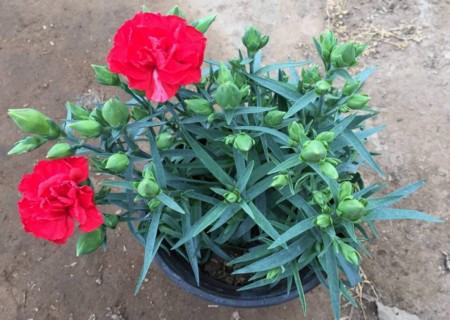
How to care for potted carnations and points to note
Carnation (Dianthus caryophyllus), also called carnation, is a flower with brilliant colors and long-lasting blooms. Its form is delicate and its fragrance pleasant. It does not seek magnificence like the peony, nor does it strive for dazzling brilliance like the rose, and it certainly does not maintain rich, fragrant allure like the lily. Instead, the carnation is quietly elegant and fragrant, content and at ease.
条件筛选