How to Grow Carnations? Care Techniques, Experience and Tips, and Precautions
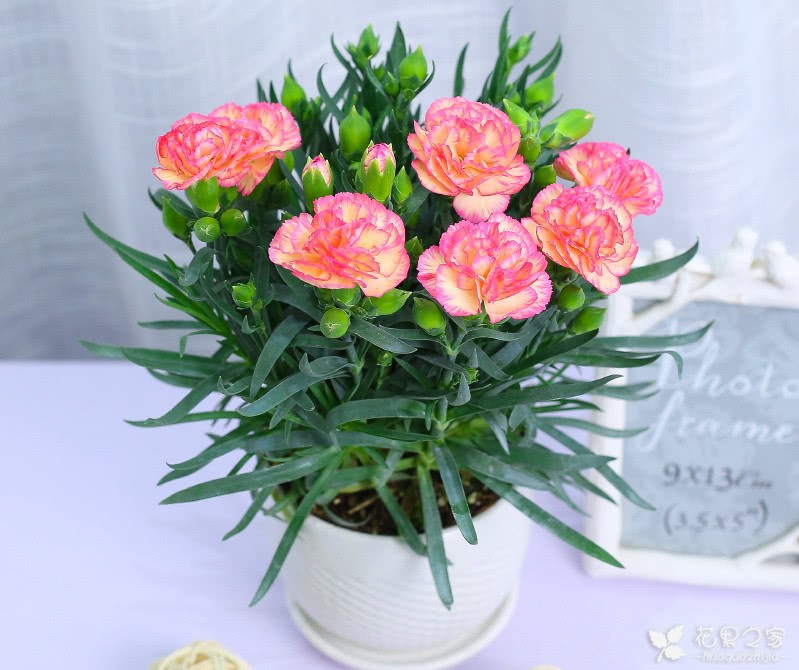
Carnation is a perennial herb of the Caryophyllaceae family, Dianthus genus, and a flowering ornamental plant. Carnations are an excellent cut flower variety. Dwarf varieties can also be used for potted display. The flowers can also be used to extract essence. This flower, with its delicate form, colorful yet elegant appearance, dignified and graceful bearing, and fresh delicate fragrance, has become the world's best-selling flower with the rise of Mother's Day. Today, the editor of Huaguo Home will learn together with you the cultivation methods of carnations, as well as the precautions to note.
Carnation Growth Habits
The first thing you need to know to care for carnations well is the growth habits of carnations. If you do not understand the growth habits of carnations, it is very difficult to grow them well. Carnation growth habits: they prefer a cool, sunny, and well-ventilated growing environment, are not tolerant of heat, dryness, or low temperatures, and are afraid of waterlogging. They like loose, fertile, nutrient-rich, and well-drained sandy soil.
Carnation Blooming Period: Blooming period is May-August, fruiting period is August-September.
Carnation Flower Language: Love, charm, respect.
Carnation Cultivation Methods
Method 1, Soil
Carnations like loose, fertile, nutrient-rich, and well-drained sandy soil. The suitable soil pH for their growth is 5.6-6.4. Some soil analysis experiments show that within a pH range of 5.95-7.9, general commercial flower nutrient soil is suitable for growing carnations. Of course, if you are interested, you can also mix your own carnation nutrient soil.
Method 2, Watering
When watering carnations, you should follow the watering principle of "water when dry, stop when wet," which means watering when the soil surface turns pale, and watering until moist is enough, keeping the soil "moist." After carnations are transplanted, water once a day on sunny days to keep the potting soil moist. This is because carnations are both afraid of waterlogging and not tolerant of drought.
Method 3, Fertilizing
For fertilizing carnations, you should choose a tall pot with a larger inner diameter, and apply sufficient base fertilizer containing potassium, calcium, nitrogen, and phosphorus at the bottom of the pot first. During the growth period, carnations should be alternately fertilized once every half month with diluted urea water, bone meal, or sauce residue fertilizer. It is worth noting that carnations should not be given concentrated fertilizer.
Method 4, Light
Carnations are intermediate-day plants and like sufficient sunlight. Apart from the seedling stage and full blooming period, there is no need to worry about damage from strong light, and supplementary light can increase flower crown diameter and flower color vividness. Light intensity has a clear positive correlation with cut flower yield per unit area.
Method 5, Propagation
There are two commonly used propagation methods for carnations: sexual propagation and cutting propagation. Carnations are most suitable for cutting propagation. There is no limit to the timing of cuttings. Apart from excessively hot weather, propagation can be done in other seasons. Among these, cuttings taken in early February have the highest survival rate.
Method 6, Pests and Diseases
Common carnation diseases include calyx rot, rust, gray mold, bud rot, and root rot. Zineb can be used for calyx rot, and 5% oxine-copper for rust. For other diseases, use zineb, carbendazim, or captan for soil treatment before planting. When harmed by red spider mites or aphids, generally use 40% dimethoate emulsifiable concentrate at 1000 times dilution to kill them.
Precautions for Growing Carnations
1. Carnations enter a semi-dormant state in midsummer and should avoid exposure to scorching sun.
2. Pot selection tips: choose tall pots with a large inner diameter.
3. Carnations need a humid environment but not overly moist, and especially must not have water accumulation.
Conclusion:After reading the above content on "Carnation Cultivation Methods and Precautions," I believe everyone should have a general understanding of carnation care. Thank you for your support, flower friends. Follow us to get more carnation care methods and tips.