Are Carnations Toxic? How to Grow Them at Home and Whether You Can Eat Them, Explained Clearly
The scientific name of the carnation is Dianthus caryophyllus, also known as lion's head dianthus, large-flowered dianthus, Dutch dianthus, etc. It is a plant of the family Caryophyllaceae and the genus Dianthus, and is deeply loved by people. So, are carnations toxic? How do you grow carnations at home? Can they be eaten?
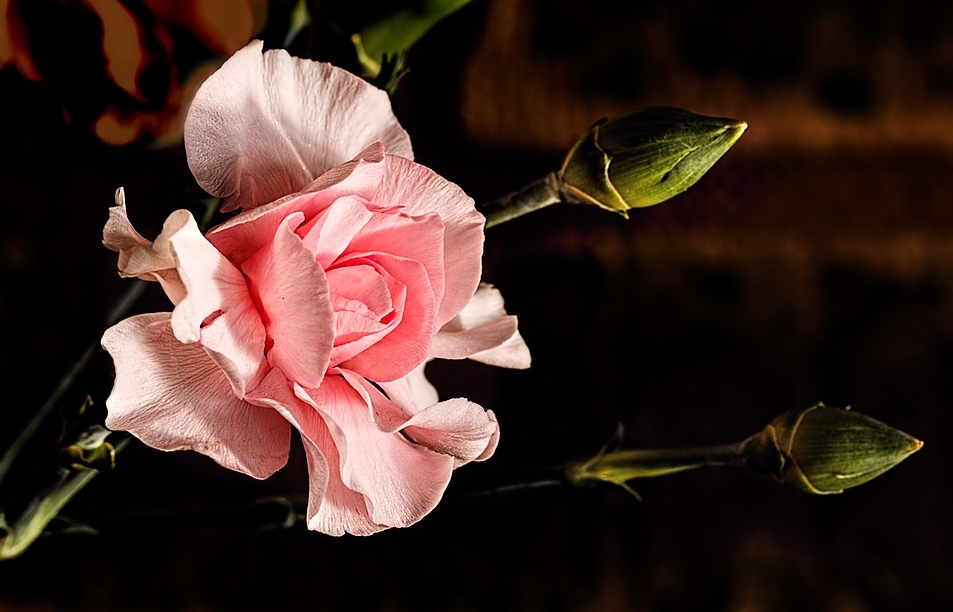
I. Are Carnations Toxic?
Carnations are non-toxic, so there is no need to worry about this. However, not all flowers are non-toxic and safe to eat. Flowers such as corn poppy, narcissus, datura and azalea do have a certain degree of toxicity and are not safe to eat.
In addition, carnations are not only non-toxic, but also have relatively high medicinal value. The whole plant can be used as medicine, and it can quench thirst and calm the mind, improve eyesight and clear the heart, nourish the face and beautify, soothe the throat and reduce inflammation, strengthen the stomach and aid digestion. It can also be used to treat toothache and headache, with particularly good results. Carnations are also very rich in trace elements, many of which are substances the human body needs. They help promote blood circulation and the body's metabolic functions, as well as relieve irritability and clear internal toxins, among many other benefits.
II. How to Grow Carnations at Home
The most important point in carnation care is sunlight. It loves strong light, so whether it is used as an indoor cut flower, grown in pots, or cultivated in a greenhouse, it should be placed in a sunny spot with direct sunlight. Only by absorbing sufficient light can it have a longer flowering period, more vivid flower colors and a stronger fragrance.
If grown in pots, carnations can be cared for according to the following points:
1. Soil: Carnation cultivation requires soil that drains well, is rich in humus, has good fertilizer retention and is slightly alkaline and clayey.
2. Watering: Carnations grow vigorously and have a relatively strong tolerance to drought. In rainy and overly wet areas, the soil tends to become compacted, and the roots develop abnormally due to poor ventilation, so during the rainy season pay attention to loosening the soil and draining water. During the period of vigorous growth, water in a timely manner and water more; at ordinary times, just keep the soil moist. Before flowering, spray water to adjust humidity.
3. Fertilizing: Carnations like fertilizer. Before planting, apply a sufficient amount of baked fertilizer and bone meal. During the growing period, continue to apply liquid fertilizer, generally once every 10 days or so with mature, dilute fertilizer water, and apply one topdressing after harvesting the flowers.
If they are fresh cut flowers, the water needs to be changed every day. When changing the water, cut off part of the roots and rinse the part soaked in water. Do not use too much water; about the height of one index finger (three finger joints) is enough. At the same time, pay attention to ventilation and avoid exposure to the scorching sun.
III. Can Carnations Be Eaten?
Yes, they can be eaten. The specific methods are as follows:
1. Flower tea: This kind of tea is relatively well known and loved by people. The method is also fairly simple. Remove parts such as the calyx and stem of the flower. Then put the rest into an oven to dry. Note that you should turn them frequently so they are heated more evenly. After that, put them into an airtight jar and then place it in the refrigerator. When using, take them out and brew them in water.
2. Flower wine: First prepare salt water, then put the fresh flowers in and soak them for about two hours. This is done to remove the astringent taste and also kill bacteria. After that, take them out, and once dry, put them into baijiu. Add an appropriate amount of rock sugar. Then seal it and place it in a cool place. After two or three months, take it out and open it, and it is ready to drink. You will find that the fragrance and color of the flowers have fully blended with the wine.
3. Flower porridge: Mix fresh, clean petals with rice, water, etc., and then cook it into porridge. This method is relatively simple, and the ingredients are not hard to obtain.
4. Notes: First, check whether the flowers have been contaminated by pesticides. Before preparing them, wash them clean. Also, choose relatively fresh flowers, as the effect will be better.