Are Carnations Poisonous? Keep These Points in Mind When Growing Them
The stamens of carnations are tiny, and the flowers carry a faint, delicate fragrance. In everyday life, they are also considered a gentle, harmless flower. Some people plan to grow carnations at home but worry that carnations may carry a certain toxicity. So, are carnation flowers poisonous?
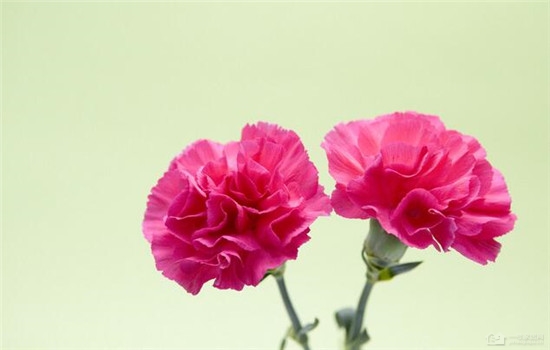
Carnation flowers are not poisonous. Points to note when growing carnations
1. To prevent carnation leaves from withering, control light and temperature well: Some flower growers report that during the growing process, phenomena such as leaf withering occur. This problem is mainly caused by temperature and light conditions not being controlled well. When the temperature is above 30°C, withered symptoms are easily caused. The most suitable ambient temperature for carnation growth is 13-25°C, and the light condition should be controlled at 6-8 hours per day. This can ensure normal growth of potted carnations. A preference for strong light is an important characteristic of carnations. Whether it is indoor overwintering, potted plants overwintering in summer, or greenhouse forcing cultivation, sufficient light is needed, and they should all be placed in a sunny position exposed to direct light.
2. To avoid root rot in carnations, master the watering principle well: Why do some potted carnations develop root rot? Potted plants share a common trait: they like an environment with good ventilation, air permeability, and drainage. Overwatering easily causes root rot, so the number of waterings must be well controlled. Avoid water accumulation. During the rainy season, pay attention to loosening the soil and draining water. Apart from timely watering during the peak growing and flowering seasons, water less at ordinary times, just enough to keep the soil moist. If conditions permit, the air humidity can be kept at around 75%. (For those who have a humidifier at home, this should not be difficult to control.) Once again, a reminder of the carnation watering principle: do not water if the soil surface in the pot is not dry; when watering, water thoroughly; avoid waterlogging.
3. If you want carnations to grow healthily, pay attention to fertilizing: If you choose to grow carnation plants, pay attention to choosing a clayey soil that drains well, is rich in humus, retains fertilizer well, and is slightly alkaline. Before planting, apply sufficient base fertilizer containing potassium, calcium, nitrogen, and phosphorus at the bottom of the pot (or apply a sufficient amount of baked fertilizer and bone meal). During the growing period, liquid fertilizer must also be applied continuously, generally once every 10 days or so with fully decomposed, thin fertilizer water, and ** apply topdressing once. Fertilizing is prohibited during the high-temperature period in summer, otherwise the plants are prone to withering and dying.
4. Methods to encourage carnations to branch more and bloom more: To promote branching, remove the top when the plant height is 15-20 cm. Generally, keep 6-7 side buds on the lower part, then pinch again later, and finally make the plant have 12-14 side branches. When buds are forming, keep only one bud at the top of each branch, and remove all lower axillary side buds and side shoots. The second pinching must be carried out before mid-August. After the first flowering, promptly cut off the flower stems, keeping only two buds at the base of each branch. Through such repeated pinching, the plant shape can be made graceful, with abundant flowers and bright colors.
5. Carnation propagation methods: Carnations are most suitable for cutting propagation. There is no restriction on the timing of cuttings; except in overly hot climates, they can be propagated in other seasons. Among these, cuttings taken in early February have the highest survival rate.
Are carnation flowers poisonous? Carnation flowers are not poisonous, and they also have very good ornamental value and relatively high economic value. If you need to grow carnation flowers, you should have a certain understanding of the relevant growing methods to ensure that you grow carnation flowers well.