-
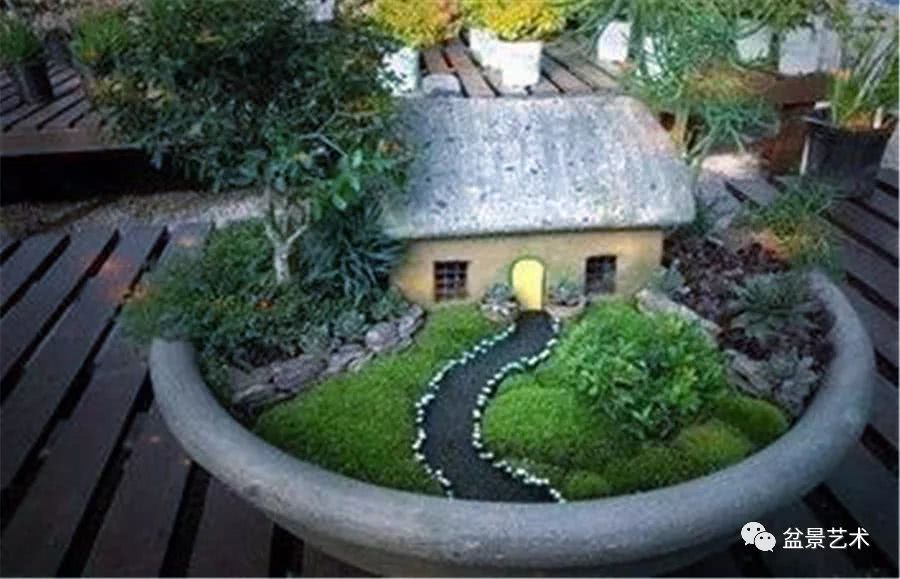
What are the methods for caring for moss in landscape bonsai?
As more and more bonsai enthusiasts emerge, and as the beautiful landscapes of our motherland inspire an endless stream of bonsai, how should the moss on landscape bonsai be cared for, and how should landscape bonsai be cared for in daily life? Moss plays a very important role in landscape bonsai. Below I...
-
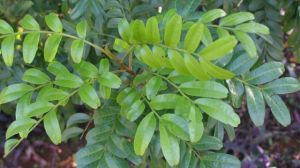
Detailed Guide to Growing and Caring for Chinese Pistache (Pistacia weinmannifolia)
Soil: It is best to choose soil with good aeration. Watering: Water once every 3-5 days, but be sure to water thoroughly. Light: Place it in a spot with plenty of sunlight, but do not expose it to harsh sun. Fertilizing: Control the amount of fertilizer well; seedlings should receive little fertilizer, and after a period of growth increase the fertilizer, as a large amount of fertilizer can easily cause fertilizer burn.
-
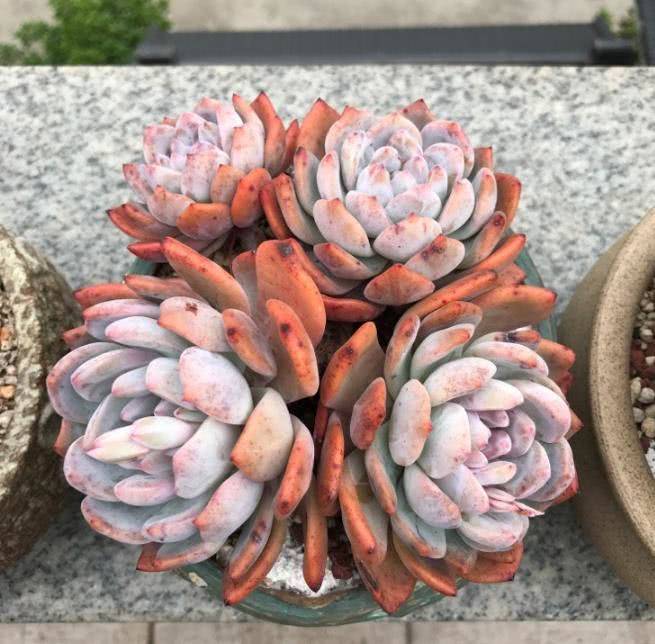
Succulents fear muggy heat. Learn how to cool them down like this when caring for them at home.
In summer, succulents are affected not only by light but also closely by changes in moisture. Water has the function of absorbing heat, so spraying water on succulents in summer has a cooling effect. During periods of high temperature in summer and autumn, drought and lack of water can easily cause succulents to dehydrate, leading to wilting...
-

Sharing Experience in Transplanting and Caring for Bonsai Stock Material
I. Determining the Transplant Time for Bonsai Stock Material There have always been different opinions on determining the transplant time for bonsai stock material. Based on my own experience in planting stock, I believe it generally varies with time and place, and should not be treated rigidly. In our southwestern region, the transplant time...
-
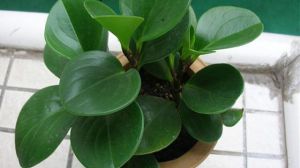
Detailed Guide to Growing and Caring for Peperomia
Soil: Peperomia should be grown in well-drained, fairly fertile soil. Temperature: It is best adjusted to around 25 degrees, and in winter adjusted to 10 to 15 degrees. Light: Scattered light, avoid strong light. Watering: Water a little when the soil is completely dry, and spray water frequently. Fertilizing: Use liquid fertilizer once a month, with topdressing during the growing season.
-
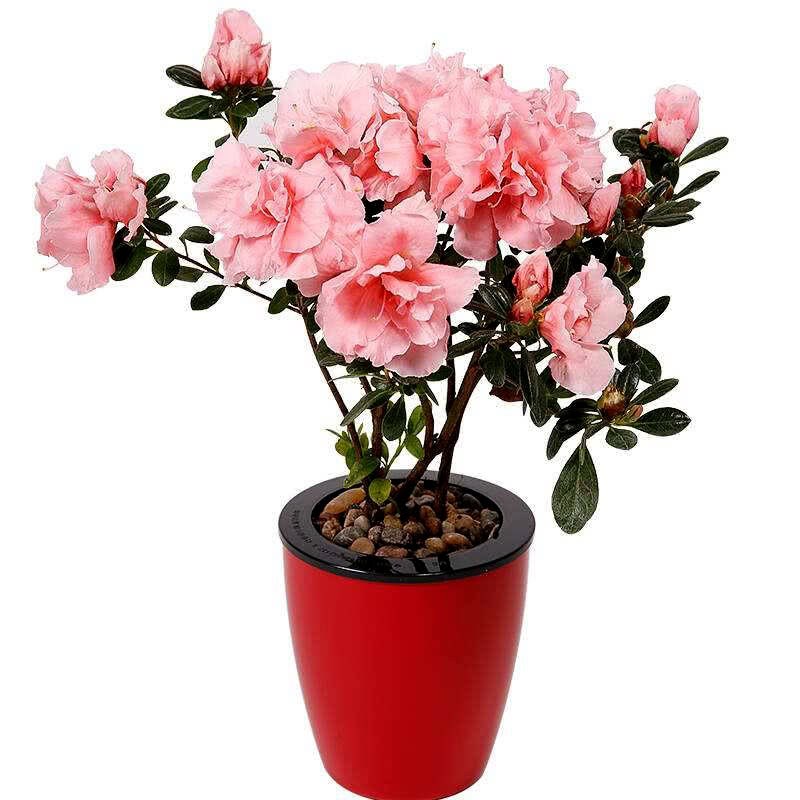
There are tricks to caring for azaleas; remember these 4 points and they will grow vigorously
Azalea, also known as yingshanhong, comes in many flower colors, such as red, purple, pink, yellow and so on, and no matter which color, it is very delicate and lovely. I believe that anyone who has never grown an azalea will want to take a pot home after just one look, ...
-
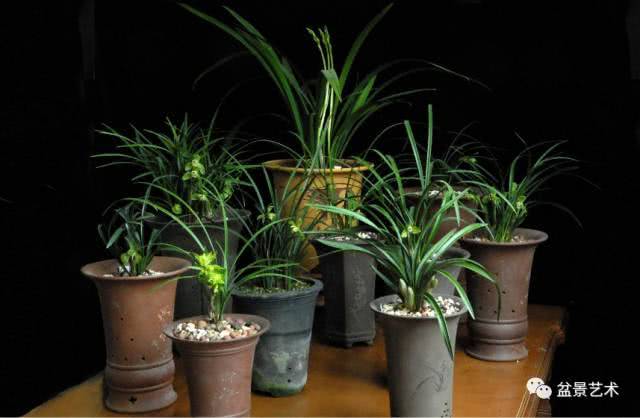
Detailed Guide to Making and Caring for Orchid Bonsai
Orchid leaves are elegant, standing gracefully upright, numerous yet uncluttered; their flowers have a delicate fragrance that carries far, rich and striking. With one plant in a room, the whole room is filled with scent. Orchids, together with plum, bamboo and chrysanthemum, are known as the "Four Gentlemen." Orchids grow among secluded valleys, sparse rocks and fallen leaves, their silver roots tangled, ...
-
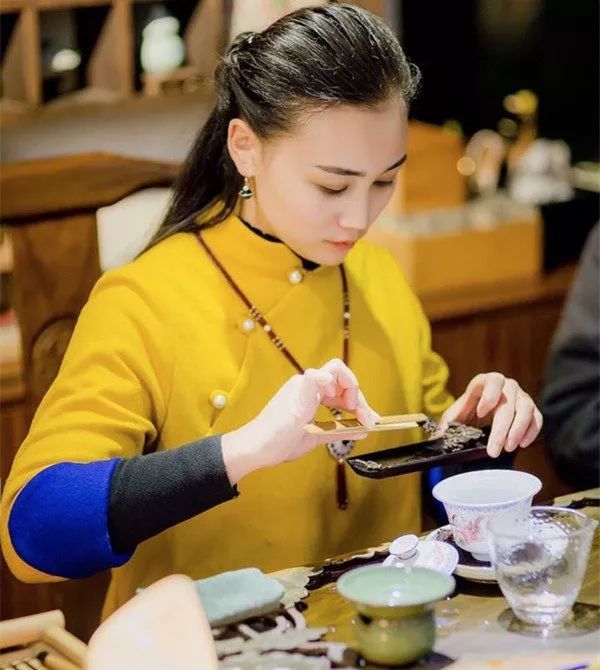
A Practical Guide to Growing and Caring for Flowers and Potted Plants
Sweet words are no match for having you in life! Add some "flavor" to life Her name is Xiaoya A girl who grew up in the mountains For her own pure and simple faith And to follow the natural taste of childhood She followed her father in making tea Now everyone...
-
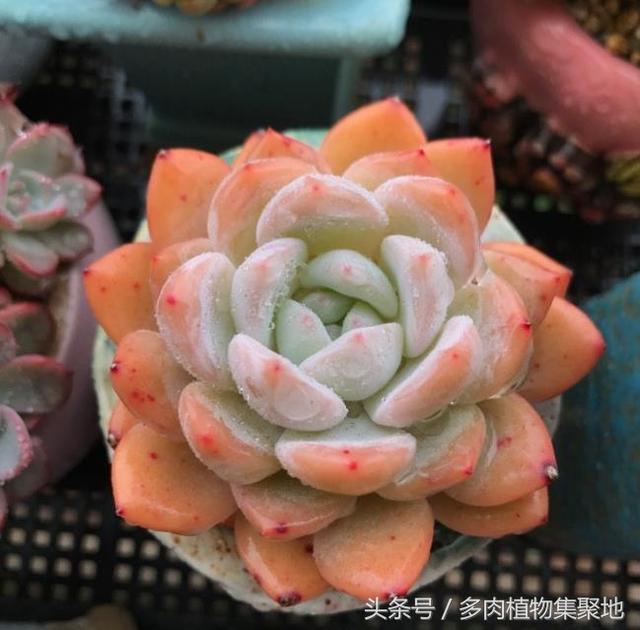
Are Succulents Desert Plants? Understanding Their Growing Environment and Caring for Them by Variety Makes Them Even More Beautiful
Succulents refer to higher plants with enlarged vegetative organs, usually possessing three vegetative organs - roots, stems and leaves - and three reproductive organs - flowers, fruits and seeds. In horticulture, they are also called succulent plants or succulent flowers, but the name succulents is...
-
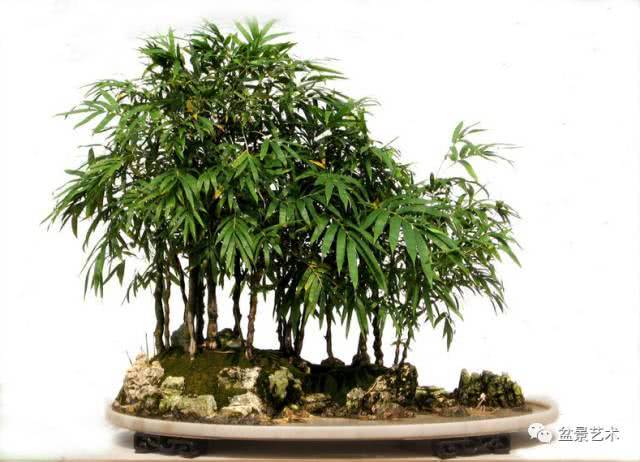
A Detailed Guide to Making and Caring for Buddha Belly Bamboo Bonsai
Buddha Belly Bamboo is also known as Arhat Bamboo and Dense-node Bamboo. The plant is relatively short; the culms of young seedlings are green, while older culms turn orange-yellow. If an old culm is properly cared for, its leaves remain as emerald green as those of a young culm. What sets Buddha Belly Bamboo apart from ordinary bamboo is that its nodes are thinner, and the internodes...
条件筛选