What are the methods for caring for moss in landscape bonsai?
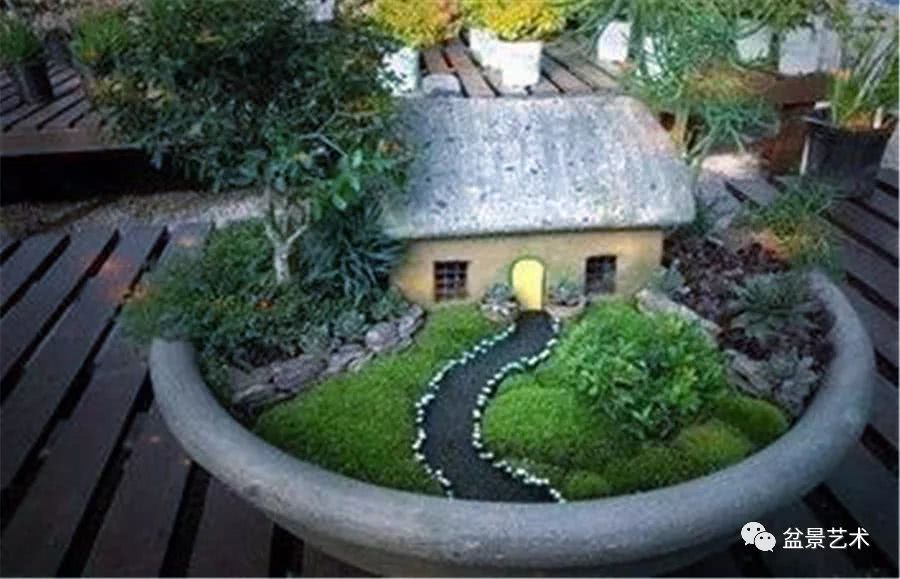
As more and more bonsai enthusiasts emerge, and as the beautiful landscapes of our motherland inspire an endless stream of bonsai, how should the moss on landscape bonsai be cared for
How should landscape bonsai be cared for in daily life? Moss plays a very important role in landscape bonsai. Below we will briefly introduce the knowledge of caring for moss in landscape bonsai.
In the care of landscape bonsai, special attention should be paid to the growth of moss plants. Most landscape bonsai can grow moss plants. Moss plants reproduce by spores. Spores are extremely small and light and can float with the wind. Moss plants prefer a semi-shaded and moist environment, and exposure to the sun should be prevented so that they can grow well. In summer, landscape bonsai need to be placed in a semi-shaded, semi-sunny, moist, and wind-sheltered environment, and rain is best. Because groundwater in the north contains more salt, while rainwater contains no salt (or only a trace amount), it is suitable for the growth of moss plants. In spring and autumn, prevent dry wind. In winter, place it in a warm and sunny place; even with slight freezing, moss plants can still grow normally.
For newly made landscape bonsai, if you want moss to grow faster, you can scatter moss spore powder on the stone mountain, or wash the moss clean, mash it, and apply it to the mountain stones with a writing brush, which can make the newly made landscape bonsai grow moss earlier.
Newly made landscape bonsai also need frequent water changes to keep the water in the basin fresh. If moss has been growing on the landscape bonsai for a relatively long time, the moss will grow in large amounts, thus filling up the original concave areas, so that the original texture of the mountain stones can no longer be seen. At this time, it is necessary to scrape off some of the protruding areas and scrape off less from the concave areas, keeping the stone texture clear and enhancing the ornamental value.