Detailed Guide to Growing and Caring for Peperomia
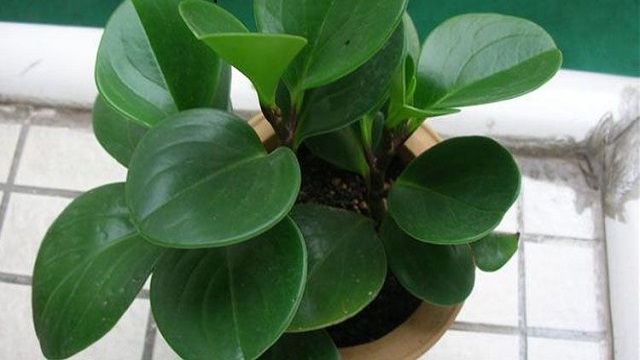
1. Soil
Peperomia should be grown in well-drained, fairly fertile soil. Specifically, leaf mold, garden soil and river sand can be mixed together as the growing medium.
2. Temperature
Peperomia likes warmth, and the most suitable temperature is 25 degrees, with some fluctuation allowed. In winter, it needs to be kept at 10 to 15 degrees to ensure it survives the winter.
3. Light
Peperomia likes scattered light. Normally, do not let direct light or overly strong light reach it. In spring and summer it needs to be placed in a semi-shaded spot, while in winter it can receive somewhat more light, placed in a bright spot by a window.
4. Watering
Watering does not need to be too much; just water a little when the soil is completely dry. Water must not accumulate, otherwise Peperomia may drop a large number of leaves or even die. However, it has relatively high requirements for air humidity. Especially when it is hot and dry, water and mist it promptly. Whether sprayed or poured, the water temperature must not be too cold; it is best if it is close to room temperature.
5. Fertilizing
Apply a standard liquid fertilizer once a month. Use dilute fertilizer, not too concentrated. In addition, the nutrients need to be complete; do not focus only on nitrogen, phosphorus and potassium. Also, during the growing season, topdressing can be done, applying cake fertilizer water once every two weeks, and it should be as dilute as possible.
6. Precautions
Peperomia grows very fast and needs to be repotted regularly. Generally, it needs repotting once every two to three years. The time should preferably be chosen in spring, and the standard for choosing the new soil is the same as above.