-
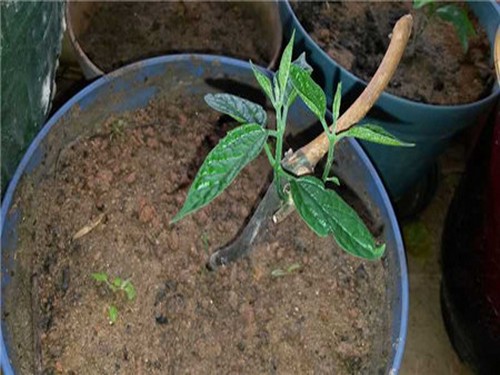
What are the propagation methods for Bleeding Heart Vine?
Bleeding Heart Vine has unusual flower shapes and abundant blooms, making it suitable for potted ornamental display. It can be used as a courtyard cultivation tree species and is also a good potted flowering plant. Its branches are soft and its leaves are sparse; tying a memorial-arch-style flower frame to guide its branches to climb, when it blooms, the red corolla protrudes beyond the white calyx tube, like a coiled dragon spitting pearls. Propagation is commonly done mainly by cuttings
-
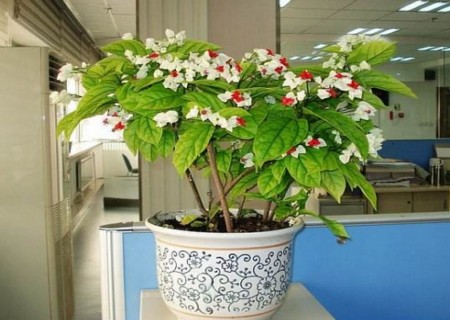
How to propagate Bleeding Heart Vine by cuttings? Illustrated tutorial on stem cutting techniques
The Bleeding Heart Vine (Clerodendrum thomsoniae) originates from tropical Africa and can be divided into white-calyx and red-calyx varieties. The flowers are extremely beautiful, with striking color contrasts, and the flower shape is as unique as a dragon spitting a pearl, making it a premium potted flowering plant. The Bleeding Heart Vine has deep green leaves, jade-like calyxes, and crimson corollas, full of poetic charm. When the Bleeding Heart Vine blooms
-
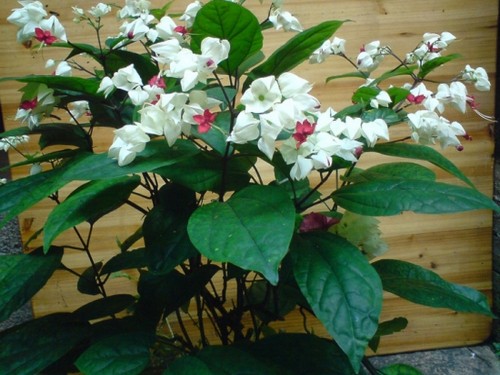
How to Grow Bleeding Heart Vine (Clerodendrum thomsoniae) as a Household Potted Plant
Bleeding heart vine belongs to the Verbenaceae family as a perennial plant, native to West Africa, and is a potted climbing flowering plant. During the growing period it needs plenty of water, and in each flowering season it should be fertilized once every 7-10 days. To grow a perfect potted bleeding heart vine, during the growing period the height of the branches must be strictly controlled, and the branch parts should be pruned and cut back
-
How to Grow and Care for Bleeding Heart Vine in Pots
Bleeding heart vine, also known as pearl lotus, produces bright red corollas that emerge from white terminal calyces in summer and autumn. The interlocking red and white hues resemble a roaming dragon spitting out pearls, making it exceptionally beautiful. It is a common potted flower, mainly grown in greenhouses for ornamental display and can be used on flower stands. Generally, potted plants stay quite short due to pruning restrictions.
-
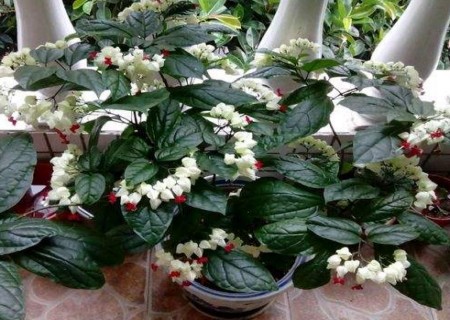
What to do when the leaves of a potted Bleeding Glorybower turn yellow? Causes and solutions
The Bleeding Glorybower (Clerodendrum thomsoniae) is native to tropical Africa and can be divided into white-calyx and red-calyx varieties. The flowers are very beautiful, with striking color contrasts and a peculiar flower shape like a dragon spitting a pearl, making it a top-grade potted flower. When the Bleeding Glorybower blooms, the long flower core protrudes from the open red flowers, like the nimble tongue of a giant dragon. The leaves are deep green
-
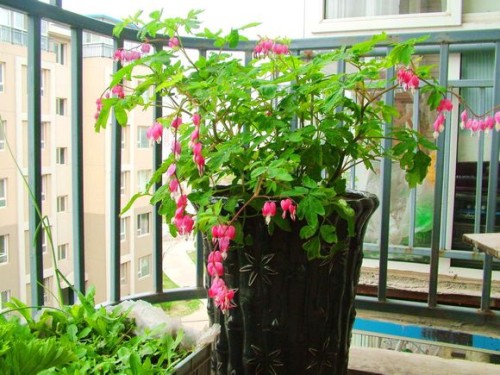
How to grow bleeding heart (Dicentra spectabilis) from seed? A detailed guide to the planting method
Bleeding heart is native to China. Because its leaves resemble those of the peony and its flower stalks bear a string of small pouch-shaped flowers, it is called "bleeding heart." It is a highly ornamental flowering plant. It is suitable for flower borders and flower beds, and can also be grown in pots, forced for early bloom, or used as a cut flower. It can also embellish rock gardens or be planted over large areas under trees.
-

How to care for potted Bleeding Glory Bower and points to note
Bleeding Glory Bower is an evergreen vine with small flowers. The flowers are arranged in clusters, terminal or axillary; the flowers are white and then turn pink, five-sided, with deep red petals, and slender stamens that protrude beyond the corolla. It blooms in summer and autumn. It likes sunlight and a warm, humid environment, but fears direct sunlight.
-
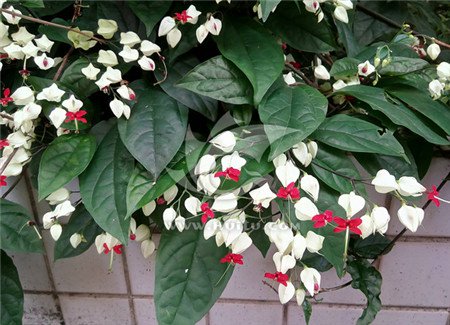
What to Do When Bleeding Heart Vine Leaves Turn Yellow? The Correct Way to Handle It Is Here
What to do when Bleeding Heart Vine leaves turn yellow: in summer, the sunlight is fairly intense, and exposure to the sun is one of the causes of yellowing leaves in Bleeding Heart Vine; in winter, the sunlight is not as intense, but the daylight hours are short, and a lack of light also easily causes leaves to turn yellow. Bleeding Heart Vine (Clerodendrum thomsoniae) prefers a warm, humid, semi-shaded environment with plenty of sunlight, and is not cold-tolerant
-

How to Grow Bleeding Heart Vine? A Detailed Guide to Practical Growing Tips
[Introduction] Bleeding heart vine (Clerodendrum thomsoniae) is a perennial plant in the Verbenaceae family, native to West Africa, and is a potted climbing flowering plant. It needs plenty of water during the growing season, and at each flowering...
-
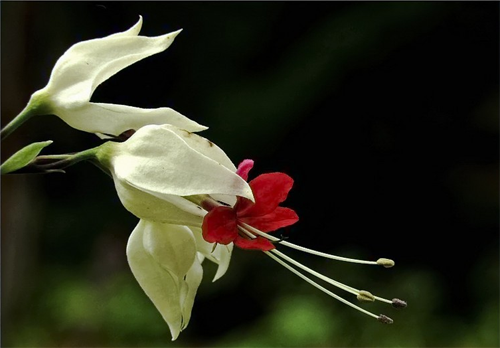
Propagation Methods for Bleeding Heart Vine and Control of Its Main Pests and Diseases
Bleeding heart vine (Clerodendrum thomsoniae) is extremely beautiful, and many people like to choose it as a potted plant. If you already have one at home, how do you propagate it? And how can you do a good job of pest and disease control while growing it? Propagation methods for bleeding heart vine: seed propagation, sown in spring; its seeds are relatively large
条件筛选