-
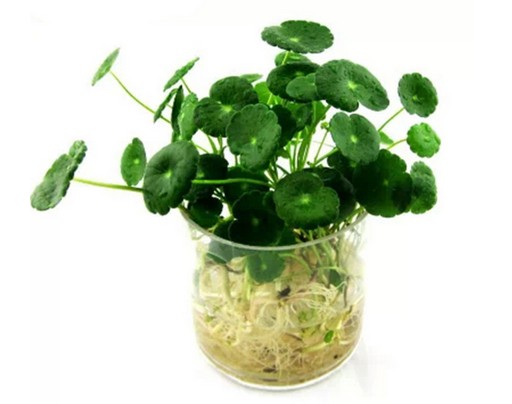
A detailed guide to the seedling and cultivation methods of pennywort bonsai, easy enough for beginners to learn
Pennywort (Hydrocotyle vulgaris) is not strict about water quality and can be cultivated in freshwater with lower hardness; salinity should not be too high. The pH of the water is best kept between 6.5 and 7.0, that is, slightly acidic to neutral. It has a relatively high demand for fertilizer, and during the vigorous growth stage it is enough to apply fertilizer once every 2~3 weeks
-
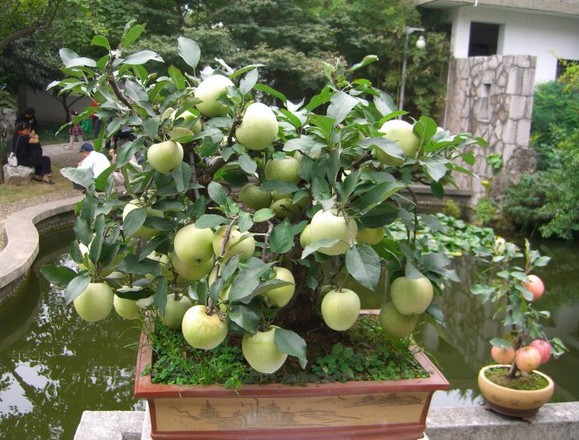
Detailed Explanation of Winter Pruning Methods for Fruit Tree Bonsai, Beginners Can Learn Too
Winter pruning, also called dormant-season pruning, refers to pruning during the dormant period from after the fruit tree sheds its leaves until spring flower buds begin to swell. The so-called winter pruning keeps the tree vigorous because at this time most of the nutrients have already been transferred from the branches and leaves to the main trunk and roots of the fruit tree for storage, so pruning causes the least nutrient loss to the fruit tree and less damage to the tree body.
-
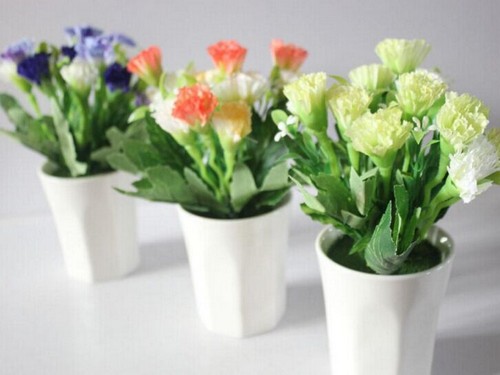
A Detailed Guide to Carnation Propagation Methods, Easy for Beginners to Learn
How do you propagate carnations? How to propagate carnations has always been a question of great concern to flower growers. Carnations are generally propagated by cuttings, carried out in early spring. As for the specifics of how to propagate carnations, Yunzhonglai Flowers provides a detailed introduction below, hoping to help you with carnation propagation
-
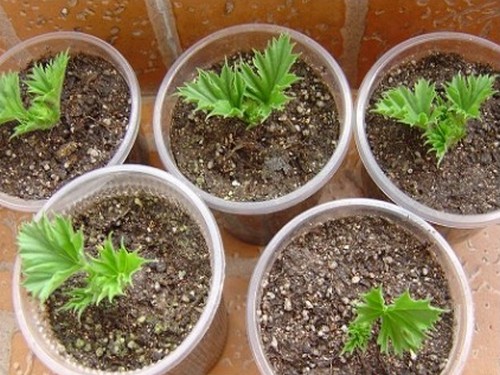
A detailed guide to geranium propagation methods that even beginners can easily master
Geranium flowers cluster densely into balls, with colors ranging from red, white, pink, and purple, offering many variations. There are single-petaled and double-petaled types, as well as variegated-leaf varieties with white, yellow, and purple markings on the leaves. Potted plants are suitable for indoor and outdoor decoration, and can also be used as spring flowerbed flowers. Geraniums are excellent potted plant material
-
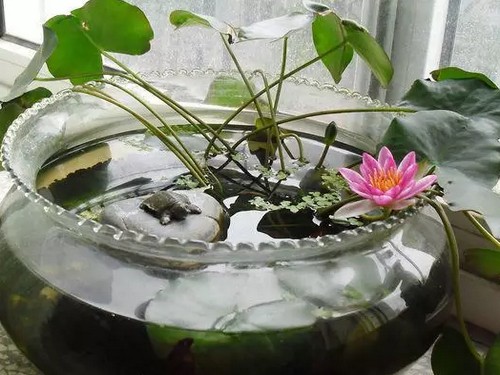
Water Lily Hydroponic Growing Methods, Even Beginners Can Easily Learn
Many friends are attracted by the lively and lovely appearance of water lilies. The water lilies commonly seen in daily life all grow in large ponds, and potted water lilies are rarely seen. In fact, growing potted water lilies together with other green plants at home will add a touch of vitality and spirit to the home.
-
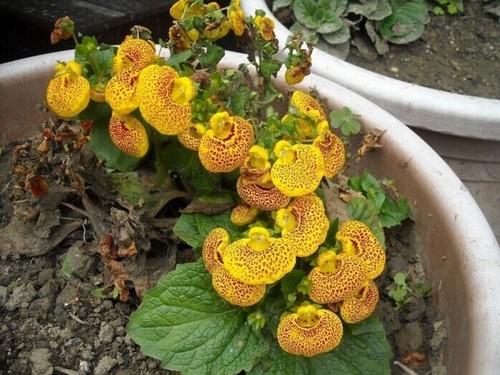
A Detailed Guide to Propagating Calceolaria by Seed, Beginners Can Learn It Too
Calceolaria is generally propagated by sowing, carried out in cool weather at the end of August and early September. Sowing too early when the weather is hot makes the plants prone to damping-off, while sowing too late results in small plants that affect flowering the following spring. Calceolaria seeds are tiny, with about 25,000 seeds per gram, and the optimum germination temperature is 18-21°C. Sow indoors in pots from August to September
-
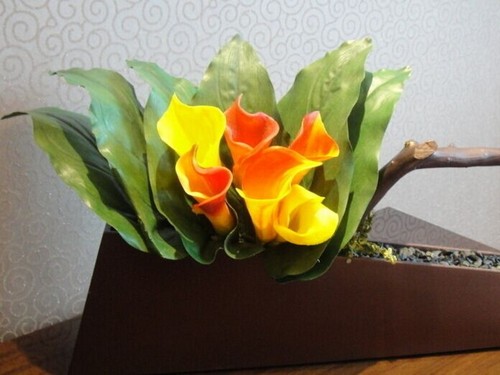
A Detailed Guide to Calla Lily Propagation Methods, Easy for Beginners Too
Propagation is mainly by offset division. After the plant enters its dormant period, peel off the small corms around the tuber and plant them separately. It can also be propagated by seed, sowing the seeds in pots as soon as they mature. The optimum germination temperature is around 20°C. Calla lilies are usually planted as corms after autumn. For bed planting, the row spacing is 25cm and the plant spacing is 10cm
-

What are the propagation methods for peonies? Beginners can understand at a glance
The herbaceous peony counts as a rather precious flower, somewhat similar to the tree peony but also different. The tree peony is called the king of flowers, while the herbaceous peony is called the prime minister of flowers, and the herbaceous peony is also more commonly grown than the tree peony. The herbaceous peony is a perennial herbaceous plant with fleshy roots, native to northern China. Wild species are currently distributed in areas such as the Qinling Mountains and the Dabie Mountains
-
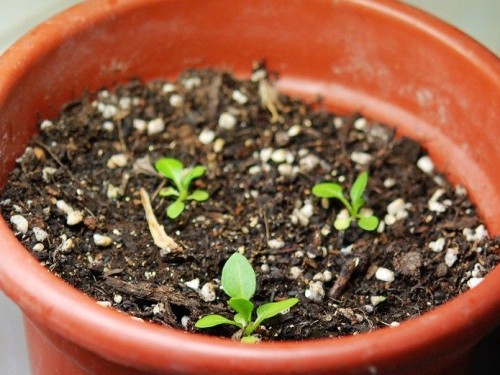
A detailed guide to sowing blue-eyed daisy (blue marguerite) in pots, easy enough for beginners to learn
I am especially fond of this kind of small herbaceous flower; today I learned that it also has a beautiful name, blue-eyed daisy. Blue-eyed daisy is also known as African daisy and large-flowered blue-eyed daisy. It is a semi-shrub or perennial herbaceous plant with a rhizome, with solitary flower heads, hairy involucres, white ray florets with pale purple undersides, and blue-purple disk centers. The blue-eyed daisy's achenes have ribbed grooves
-
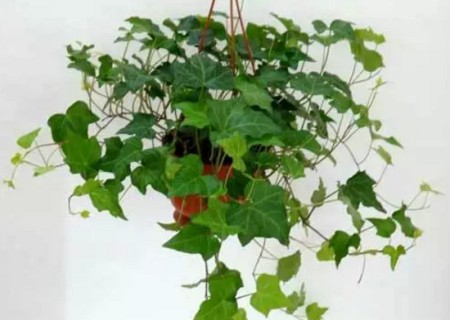
Ivy cutting method step-by-step illustrated guide, beginners can easily learn it too
Ivy is also called English ivy. It has a graceful and neat form, and is a plant very suitable for beautifying the home, especially when placed in a relatively spacious living room, study, or sitting room, with an elegant and simple style, and a touch of southern charm. At the same time, ivy is suitable for growing in households with smokers, as it can absorb the carcinogens in secondhand smoke
条件筛选