-
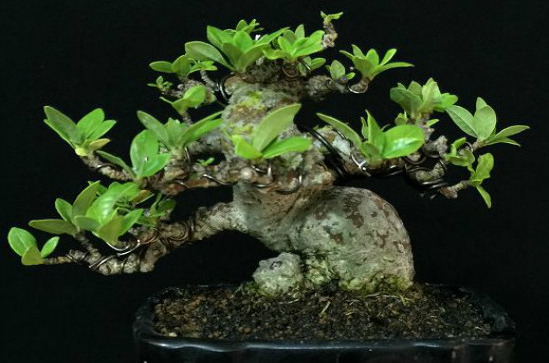
A Complete Guide to Growing Dwarf Gardenia: Even Beginners Can Learn
1. Soil. Dwarf gardenia is usually grown in pots for ornamental display, so the potting soil is very important when growing it. Dwarf gardenia is suited to loose, well-drained, slightly acidic soil, so when growing it you can choose leaf mold or fertile peat soil for planting. 2. Light
-
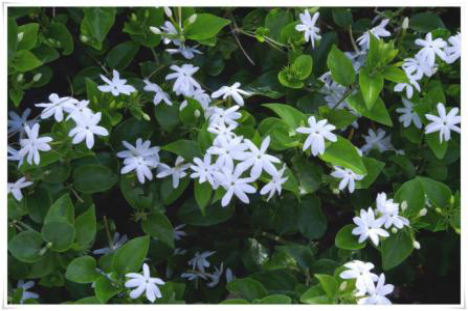
A Detailed Guide to Growing Jasminum multiflorum, Easy for Beginners to Learn
Growing Environment: Jasminum multiflorum is suited to growing in warm, sunny environments, usually at elevations of around 1,000 m. Because it is rather sensitive to cold, if grown in cold regions it needs to be placed in a greenhouse for overwintering. It also likes fertilizer and is suited to loose, fertile soil
-

A detailed guide to ornamental peach care, easy for beginners to master
1. Soil. Ornamental peach likes dry, airy conditions, so the soil for planting it should have good permeability and be suitable for drainage; neutral or slightly alkaline sandy soil is more suitable for its growth. 2. Watering. Ornamental peach is fairly drought-tolerant and not suited to frequent watering. It only needs one watering each in early spring and late autumn
-
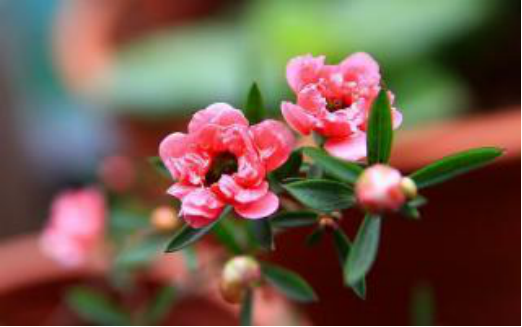
A detailed guide to growing Leptospermum scoparium: even beginners can easily grow it well
1. Soil: Growing Leptospermum scoparium requires soil rich in humus, and the soil pH should be suitable, preferably slightly acidic. In addition, growing Leptospermum scoparium has high requirements for soil drainage. 2. Watering: When growing Leptospermum scoparium, watering does not need to be too much, but the soil should be kept moist. Water in moderation
-
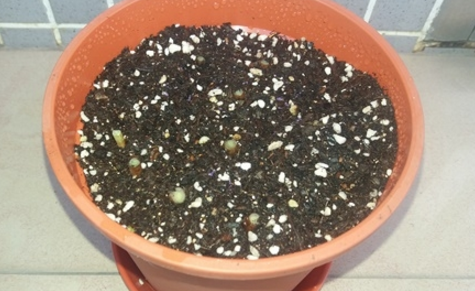
A detailed guide to growing society garlic - even beginners can learn it easily
1. Collecting seeds Society garlic blooms in summer, and its capsules ripen in autumn. This is the time to collect seeds. Once the capsules split open, you can take out the seeds, sort them, and discard any damaged ones. It is best to store the seeds until the next spring for sowing. 2. Soil Society garlic needs fertile soil for growth
-
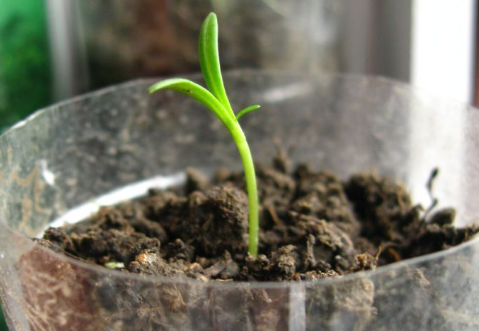
A detailed guide to sowing dahlia seeds: beginners can master it at a glance
1. To grow healthy and beautiful dahlias, choose good-quality seeds, preferably seeds produced by hand pollination. 2. Sowing is generally done around May; sow the seeds by spot sowing in a flower pot and lightly cover them with a thin layer of soil. 3. Keep the growing environment warm and moist; they usually sprout in about a week.
-
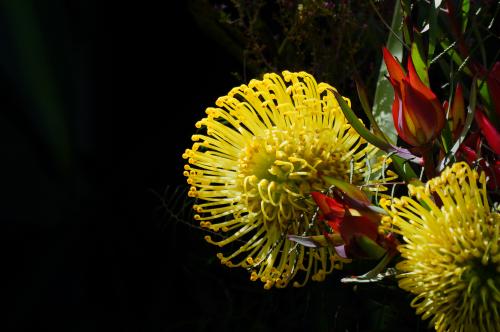
A detailed guide to growing King Protea, easy enough for beginners to learn
The first aspect - light. King Protea likes an environment with plenty of light, so make sure King Protea gets enough light; it is generally placed on a balcony or in a ventilated, sunny spot. The second aspect - soil. The soil for planting King Protea needs to be loose, well-draining sandy soil, as this is good for the growth of King Protea
-
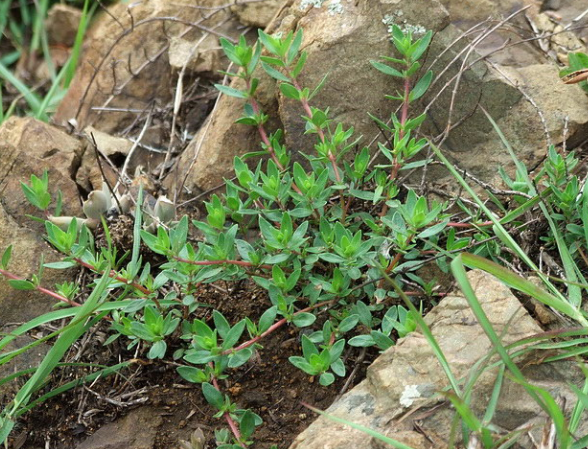
A detailed guide to thyme propagation methods, easy for beginners to master at a glance
Sowing Sowing is generally carried out in March-April. Thyme seeds are tiny, so the seedling bed must be well prepared; the soil should be fine and level. After watering, scatter the seeds, then cover the surface with a layer of fine soil, and then build a small arched frame covered with plastic film to keep warmth and moisture. Seedlings generally emerge after 10-12 days
-
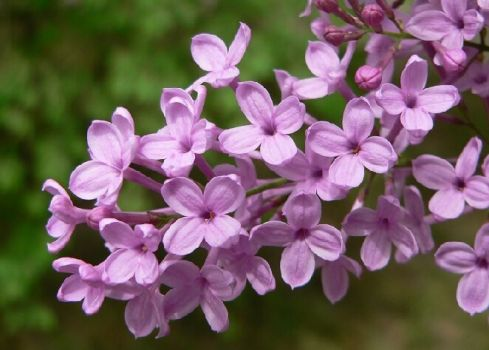
What are the propagation methods for lilac? Beginners can easily learn them too
1. Cutting propagation We select robust branches of lilac that have grown for 1 to 2 years for cuttings. Usually we carry out cutting 1 month after flowering in spring. For the cuttings, select branches 15 to 20 cm long, choose branches with buds, and it is best to choose 2 to 3 pairs of bud nodes, with one pair of bud nodes buried in the soil
-
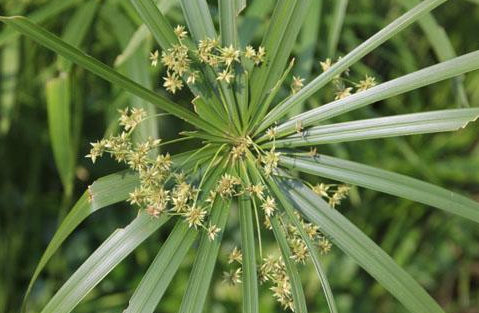
A detailed guide to hydroponic Umbrella Plant (Cyperus alternifolius) cultivation, easy for beginners to learn
1. Water quality: For water-cultured Umbrella Plant, lake water, river water, well water, or rainwater can be used. Tap water needs to stand for one day before use. Mineral water must not be used. 2. Root soaking: Keep the distance between the roots and the water surface at about 3 cm; do not soak too deeply. Stones can be used to press down the roots to keep the plant stable. 3. Care: In summer high temperatures
条件筛选