A detailed guide to thyme propagation methods, easy for beginners to master at a glance
Sowing
Sowing is generally carried out in March-April. Thyme seeds are tiny, so the seedling bed must be well prepared; the soil should be fine and level. After watering, scatter the seeds, then cover the surface with a layer of fine soil, and then build a small arched frame covered with plastic film to keep warmth and moisture. Seedlings generally emerge after 10-12 days, and once they have emerged, the plastic film can be removed when the temperature is suitable. During the seedling stage, keep the soil moist and remove weeds promptly. When the seedlings reach a height of 10-15 cm, plant them out in the field at a row spacing of 30-45 cm and a plant spacing of 25-30 cm, then water thoroughly and proceed to routine management.
Cuttings
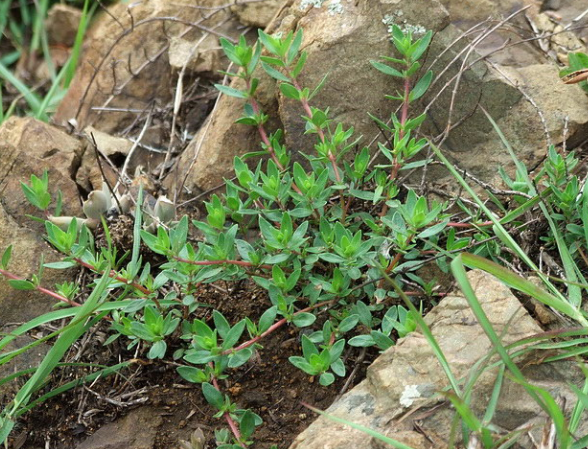
Cuttage propagation roots easily and is the method commonly used for thyme. In mass production, to achieve consistent quality, cut 3-5 node shoots about 5 cm long with terminal buds for cuttings. If shoots without terminal buds or already woody shoots are cut for cuttings, although they can survive, they root slowly and produce few roots. Insert the cuttings into paper-tube seedling trays with a diameter of 2 cm, and transplant them after they have rooted and survived.
Division
Division usually uses plants more than 3 years old. In late March or early April, dig out the mother plant that has not yet sprouted, roots and all, then divide it into 4-6 parts according to the size of the clump. Each part should be guaranteed to produce 4-5 buds, and then plant them. The clump division method can also be used to propagate thyme; that is, during the growth period of thyme, cut off its stolons and transplant them. Layering and division allow the branches to touch the ground and automatically grow roots, so they can be cut off directly as independent plants; this is more suitable for home gardeners.
To learn more about thyme, please follow Four Seasons Plant Network!
Thyme pictures, thyme cultivation methods and precautions
Thyme is an ornamental plant with a rich fragrance. It can beautify the environment, refresh the mind, and also be purified into essential oil for people to use. However, many people in daily life are not familiar with thyme and do not know what it looks like. In a moment I will organize its pictures and share them with everyone, and at the same time I will also guide everyone to understand the methods of cultivating thyme and what things to pay attention to.
Cultivation methods1. The environment for cultivating thyme
This plant, thyme, likes a warm environment. Normally it should be placed in a mild environment of 20 to 25 degrees. It cannot be cultivated in a high-temperature, high-humidity environment. During hot summer weather, indoor ventilation should be increased, and water should be sprayed on thyme leaves in time to lower the temperature. In addition, thyme needs sufficient sunlight during its growth process. Normally everyone should place it on a sunny balcony or in a sunny indoor room. If there is insufficient sunlight, the plant will grow leggy.
2. Fertilizer and water management for thyme
To cultivate thyme well, fertilizer and water management is especially important. The leaves of this plant are slightly fleshy, with fairly strong drought tolerance and particularly poor waterlogging tolerance. Normally water should not be supplied too much; watering once a week is enough, and the potting soil must not be too wet, nor should water accumulate in the flowerpot, otherwise its roots will rot. Thyme, this plant, has relatively low fertilizer requirements. It grows slowly, and normally does not need frequent fertilizing. It only needs fertilizing once every half month in spring when thyme is growing vigorously.
PrecautionsWhen cultivating thyme normally, be sure to pay attention to resting it. During its seedling stage, pinching should be carried out so as to promote branching and shaping. During its growth period, it should also be pruned at any time according to its growth, so as to keep the plant beautiful, and at the same time it is also beneficial to its ventilation and healthy growth. In addition, when cultivating this plant, thyme, the pot should be changed once every two years, and the soil should be chosen as neutral or alkaline soil with good drainage.
Propagation methods of thyme
Three propagation methods of thyme
Sowing
The time for sowing and raising seedlings should be chosen in March-April of spring.
Thyme seeds are relatively small. When raising seedlings, the soil should be finely prepared, the soil should be broken up and leveled as much as possible, and the soil should be pressed firmly with moderate force. Sow after watering, then cover the scattered seeds with a layer of fine soil, and finally use plastic film to help keep warmth and moisture.
Seedlings can emerge in about 10-12 days. Remove the film when the temperature is suitable. During the seedling stage, if weeds are found at the roots, remove them promptly, and the soil also needs to be kept moist.
Cuttings
The cutting method has a very high survival rate, and the plants root very easily.
Cut shoots about 5 cm long with terminal buds for cuttings. If already woody shoots and shoots without terminal buds are chosen for cuttings, even after survival they will root slowly and have sparse root systems.
For cuttings, choose paper-tube seedling trays with a diameter of about 2 cm, which is more beneficial for transplanting after survival.
Division
The division method should select plants more than three years old.
The time is chosen in late March or early April, when they have not yet sprouted.
The specific method is to dig out the mother plant with its roots, and depending on the actual size of the clump, divide it into 4-6 parts. Each part must be ensured to retain 4-5 buds, and then it can be planted.