A detailed guide to hydroponic Umbrella Plant (Cyperus alternifolius) cultivation, easy for beginners to learn
1. Water quality
For water-cultured Umbrella Plant, lake water, river water, well water, or rainwater can be used. Tap water needs to stand for one day before use. Mineral water must not be used.
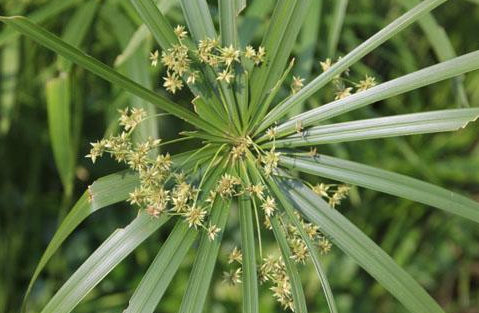
2. Root soaking
Keep the distance between the roots and the water surface at about 3 cm; do not soak too deeply. Stones can be used to press down the roots to keep the plant stable.
3. Care
In summer high temperatures, change the water more often and wash off the mucous on the roots to prevent root rot. Regularly spray the leaves with clean water to make them more emerald green and glossy.
Hydroponic methods for Umbrella Plant, and its care methods
The Umbrella Plant is an aquatic plant with an elegant, graceful posture, carrying the charm of green bamboo. It has high ornamental value and can be made into a potted plant to place in the living room for care. So, would everyone like to know what cultivation techniques exist for the Umbrella Plant? Do you want to grow the Umbrella Plant well? Today, the editor will next introduce this plant to you.
Hydroponic methods for Umbrella Plant
1. Use the root-washing method or division method to grow the plant in water. After about a week, new roots will grow in the water. The water level should preferably not submerge the roots.
2. The Umbrella Plant has a large crown, so do not place too many stems in one container; a sparser arrangement is more natural and unrestrained.
3. First place washed stones, pebbles, etc. into the bottom of a glass container, then put the plant in, and use stones and pebbles to press down the roots to ensure the plant does not wobble and does not fall over in the water.
4. In summer, when temperatures are high, pay attention to increasing the frequency of water changes and wash the root mucous clean to avoid root rot and death.
5. Frequently spray the leaves with a clean water spray bottle so they are dust-free, fresh, emerald green, and glossy. During the growing season, spray foliar fertilizer on the leaves several times, and the leaf color will appear even more emerald green.
Care habits of the Umbrella Plant
Environmental requirements:It prefers a high-temperature, humid, semi-shaded environment and can be placed year-round in a warm, bright room. The overwintering temperature should preferably not be lower than 5°C. A cool, ventilated environment in summer is suitable, and it can also tolerate a slightly dry climate.
Fertilization method: If the Umbrella Plant is to grow well, it must be fertilized often, but water-cultured Umbrella Plant must never be given organic fertilizer, otherwise the roots will rot. A chemical fertilizer dissolved in water can be applied once every half month, and the concentration should not be too high. Water-cultured Umbrella Plant should be placed in a ventilated spot, otherwise white mold easily grows at the base of the stems.
Seasonal care:For water-cultured Umbrella Plant, in summer it needs to have the cooled boiled water changed once every 2 to 3 days to prevent the cuttings from being contaminated by bacteria and rotting. In winter, changing it once every 10 days is enough, and add 4 to 5 drops of nutrient solution.
The above is the knowledge I have learned today about aquatic plants. I hope flower lovers will find this article helpful after reading it. If you want to know more about bulbous flowers, please continue to follow our Succulent Garden, and we will provide you with more related content as soon as possible!
Two cultivation methods for Umbrella Plant - soil culture and hydroponics, and their precautions
The Umbrella Plant is an aquatic plant with an elegant, graceful posture, carrying the charm of green bamboo. It has high ornamental value and can be made into a potted plant to place in the living room for care. So, would everyone like to know what cultivation techniques exist for the Umbrella Plant? Do you want to grow the Umbrella Plant well? Today, the editor will next introduce this plant to you.
Soil culture method for Umbrella Plant
Suitable soil
The best soil is fertile, slightly clayey soil.
Reasonable watering
When Umbrella Plant (Cyperus alternifolius) is planted in moist soil, make sure the water in the pot stays at a depth of about 5 cm. Therefore, this requires that the flower pot does not leak water, and it also saves you from having to water it every day. When the temperature is high, spray water to keep the leaf surface moist.
Appropriate light
Be careful not to expose Umbrella Plant (Cyperus alternifolius) to the scorching sun. In summer, a semi-shaded and cool environment is very helpful for the growth of Umbrella Plant (Cyperus alternifolius). It can keep the leaves emerald green.
Suitable temperature
Umbrella Plant (Cyperus alternifolius) does not like cold, and the winter temperature should not be lower than 5°C.
Appropriate fertilizer
Umbrella Plant (Cyperus alternifolius) mainly uses the method of applying little fertilizer but more often. In spring and summer, a little compound fertilizer can be used, and the amount must be small.
Hydroponic method for Umbrella Plant
Water requirements
For the water culture method, lake water, river water, well water, rainwater, or tap water that has settled for 24 hours can be used. Acidic water from electrolyzed ionized water is best. Mineral water must not be used. Several colored glass balls or pebbles can be placed in the bottle to stabilize the center of gravity of the flower pot, and it will look more beautiful.
Root water soaking requirements
Keep the water surface about 3 cm from the roots. Do not soak too much, to avoid root rot affecting respiration.
Precautions
In summer, water evaporates easily, so pay attention to topping up and changing the water to ensure the water is not polluted. In autumn, the climate is dry, so prevent it from being blown over by the wind. During the day, you can spray the leaf surface more, and at night let it receive night dew.
The above is the knowledge I have learned today about aquatic plants. I hope flower lovers will find this article helpful after reading it. If you want to know more about bulbous flowers, please continue to follow our Succulent Garden, and we will provide you with more related content as soon as possible!