-

Tibetan Mastiff Calcium Supplementation Requires Care: A Few Points Breeders Should Know
Calcium supplementation is an issue that cannot be ignored. If you want your beloved mastiff to grow healthy and imposing, with a beautiful physique and strong, agile limbs, you must supplement calcium at the right time and in the right amount. The following suggestions are for reference only: When is calcium supplementation needed? For large dogs like the Tibetan Mastiff, the larger the breed, the faster it grows, and the greater its calcium requirement. For puppies, the calcium contained in ordinary puppy food can hardly meet their growth needs. If you feed your mastiff homemade food, then you should pay even more attention to supplementing calcium in a timely manner. In addition, if your mastiff has long been eating animal liver or has meat as its staple food, then it should also be given an appropriate amount of calcium supplementation. This is because such foods not only have a very low calcium content, but also contain high concentrations of vitamin A. Long-term intake of high concentrations of vitamin A by dogs can inhibit calcium absorption. Therefore, you should immediately stop the long-term habit of feeding liver and promptly supplement calcium for it. After a mastiff enters adulthood, if it is fed dog food, there is no need for separate calcium supplementation. This is because during this period, the growth and development of the dog's bones and other organs have basically stopped, and its calcium requirement is very small. If it is a stud dog or a female dog during pregnancy and lactation, it still needs a large amount of calcium supplementation, because semen, fetuses during the embryonic stage, and milk will all cause a large amount of calcium to be lost from the body. If it cannot be replenished in time, calcium from the body's calcium pool will be drawn upon, causing osteoporosis. How should calcium be supplemented for mastiffs? There is no obvious difference between the methods of calcium supplementation for dogs and for people. Generally speaking, calcium products for human use are also suitable for dogs. In addition, drinking more milk or eating some dairy products and cartilage foods in daily life, and reducing the intake of foods high in vitamin A such as liver, are also beneficial for calcium supplementation. If a mastiff has already shown symptoms of calcium deficiency, then medication should be used. It is recommended to choose relatively inexpensive calcium carbonate and calcium lactate while injecting vitamin D3 and orally taking vitamin D2 and vitamin D3. Of course, if conditions permit, you can also choose some imported-brand pet calcium products, because these products are relatively more professional. Methods for supplementing calcium for young mastiffs Some people believe that feeding all meat can make puppies grow strong, but this is actually the wrong approach. Eating only meat not only cannot make puppies strong, but instead, due to indigestion and difficulty absorbing it, can cause most puppies to develop diarrhea. Although meat contains a lot of protein, it has relatively little vitamin A, vitamin D, vitamin E, and iodine. At the same time, meat has little calcium and much phosphorus. Long-term meat eating can easily cause an imbalance in the calcium-to-phosphorus ratio in puppies' bodies, resulting in skeletal disorders and making lameness likely. For large dogs, it is even more inadvisable to feed large amounts of meat too early, otherwise it may cause the front limbs to become bent. Puppies' feed should be supplemented with calcium powder and vitamins, which are necessary for the growth of teeth and bones. Especially for purebred dogs with larger frames, calcium is even more needed during the puppy stage. Usually, for growing puppies under one year old, the daily amount of calcium powder supplementation is about one teaspoon per 2 kg of body weight. As age increases, the amount of calcium powder and the dosage should be increased proportionally. After one year of age, because the puppy has entered maturity and the growth of teeth and bones has stabilized, the required amount of calcium powder is relatively reduced, and the dosage is about one teaspoon per 15 kg of body weight. However, there should be an appropriate amount of outdoor exercise every day, with exposure to ultraviolet rays, so as to facilitate calcium absorption.
-
How to prune a banyan tree? Let me teach you the correct pruning method
Banyan tree pruning is mainly pruning, with wiring as a supplement, and it is generally best to prune once a year. When pruning, cut off forked branches, overlapping branches, dead branches, diseased branches, and leggy branches, and properly prune newly grown leaves to help new leaves sprout multiple times. When repotting, prune the roots in time
-
What potassium fertilizer products are there? Master application methods and the timing of potassium supplementation
Some farmer friends, when it comes time to supplement potassium fertilizer, still do not understand the importance of potassium fertilizer, what potassium fertilizer products there are, and how they should be applied, causing them to miss the timing for potassium supplementation. Potassium is one of the three essential fertilizer elements. Potassium in plants generally accounts for
-
Why is it advisable to feed silage as a winter supplement for dairy cows?
Silage is a suitable winter supplement for dairy cows
-
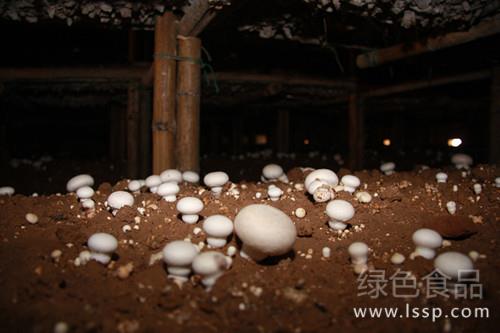
Spring fruiting management for Agaricus bisporus: moisture, temperature, diseases and supplementation of nutrients
moisture temperature diseases nutrient supplementation spring fruiting management for Agaricus bisporus
-
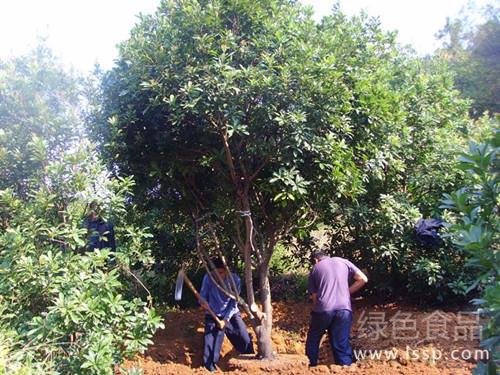
Scientific Fertilization Techniques for Chinese Bayberry: Organic Fertilizer as the Mainstay, Chemical Fertilizer as a Supplement
Scientific Fertilization Techniques for Chinese Bayberry: Organic Fertilizer as the Mainstay, Chemical Fertilizer as a Supplement
-

Calcium deficiency in plants easily causes flowers and buds to drop; water them with a little milk to supplement calcium
A glass of milk a day makes a nation strong. Milk is very beneficial to our bodies, but when growing flowers, appropriately letting the flowers "drink" a little milk too has a certain effect on promoting plant growth, and it can become a very good flower-growing...
-

Severe Potassium Loss After Flooding Makes Potassium Supplementation Essential for Crops
In past years, in several provinces along the middle and lower reaches of the Yangtze River, potassium deficiency symptoms were commonly seen in crops such as cotton, rice, corn, soybeans, and peanuts. Apart from some soils being inherently low in potassium, this was largely related to the heavy rainfall during the crop growing season this year, which caused considerable potassium loss. In cotton, most fields showed potassium deficiency...
-
What measures are there for supplementary pollination of peach trees
Peach scab, also known as black spot, is one of the common diseases of peach trees. When a peach tree is affected, black spots appear on the surface of the diseased fruit and cracking may even occur, seriously affecting its commercial value. 1. Symptoms of damage: It mainly damages the fruit, followed by the branches and leaves. When the fruit is affected, small brown round spots first appear, and then gradually...
-

What to Do When Polyscias Leaves Drop: Supplement Light, Water, Apply Dilute Fertilizer, Spray for Pest and Disease Prevention
Polyscias, an evergreen foliage plant, has leaves shaped like a bellyband that make people love it at first sight. In daily life, many plant lovers grow Polyscias just to enjoy its leaves, so when these beautiful leaves turn yellow and ugly, plant lovers must be very anxious! So what should you do when Polyscias drops its leaves
条件筛选