-

What part of the sheep is lamb spine? The king of calcium supplement, its nutrition, how much it sells for and how to cook it deliciously
Lamb spine is actually the sheep's backbone, the part with tenderloin and spinal marrow. Because its shape resembles a scorpion, it is called lamb spine. It is low in fat, low in cholesterol, high in protein, and also rich in calcium, easy to absorb, and has the effects of nourishing yin and tonifying the kidney, beautifying the face and strengthening
-
What is the "king of calcium supplements" lamb spine (yang xie zi)? What is the typical market price per jin?
Lamb spine is a favorite winter delicacy in northern China, often used for hot pot or stewed soup, and is called the king of calcium supplements. If you want to supplement calcium quickly, you can drink lamb spine soup. So at this point some people will ask, what is lamb spine? Now lamb spine
-
What to Do About Calcium Deficiency in Tomatoes? Latest Symptoms and Calcium Supplementation Methods Explained
In tomato growth, aside from the necessary fertilizers, growth elements cannot be lacking. A deficiency of elements leads to deficiency disorders, producing various adverse symptoms. For example, calcium deficiency affects the growth and development of the fruit. The specific manifestations of calcium deficiency, the growth situation, and how to improve it,
-
What are the causes of calcium deficiency in cucumbers? Detailed explanation of key points for calcium supplementation
Cucumber is a common vegetable in our daily lives, and calcium deficiency during cultivation is also a fairly common phenomenon that can seriously affect cucumber yield and quality. So what are the causes of calcium deficiency in cucumbers? How should calcium be supplemented? Let's find out together.
-
What are the latest methods for calcium supplementation in grapes?
Calcium is one of the essential major elements in the growth process of grapes, and the demand for calcium is second only to potassium. Once grapes are deficient in calcium, poor fruit set and flower and fruit drop will occur, causing a huge impact on yield. So how should calcium be supplemented to grapes? Let's take a look at the detailed introduction below.
-
What are the misconceptions about calcium supplementation for apples? A look at the latest analysis
Calcium is a secondary element essential for apple growth and is also very important for the growth of apple trees. If apple trees are deficient in calcium, various physiological diseases will often occur. This affects the growth of apple trees and leads to reduced yield and quality. There
-
What are the symptoms of calcium deficiency in vegetables? Calcium supplementation methods explained in one article
Calcium is a metal element. The large amount of calcium in bones and teeth is the main component of body tissues and plays a role in supporting the body. Then people with calcium deficiency are prone to osteoporosis, so what are the symptoms of calcium deficiency in vegetables? How to supplement it? People with calcium deficiency are prone to osteoporosis, then vegeta
-
What calcium supplement feeds are commonly used in quail farming
1. Stone powder is obtained by crushing high-quality limestone; its main component is natural calcium carbonate, containing 36%-39% calcium. It has a wide source, low price, and high utilization rate. 2. Bone meal contains large amounts of calcium and phosphorus, and its calcium and phosphorus are relatively balanced; supplementing with bone meal is better than shell powder
-
Tibetan Mastiff Calcium Supplementation Requires Care: A Few Points Breeders Should Know
Calcium supplementation is an issue that cannot be ignored. If you want your beloved mastiff to grow healthy and imposing, with a beautiful physique and strong, agile limbs, you must supplement calcium at the right time and in the right amount. The following suggestions are for reference only: When is calcium supplementation needed? For large dogs like the Tibetan Mastiff, the larger the breed, the faster it grows, and the greater its calcium requirement. For puppies, the calcium contained in ordinary puppy food can hardly meet their growth needs. If you feed your mastiff homemade food, then you should pay even more attention to supplementing calcium in a timely manner. In addition, if your mastiff has long been eating animal liver or has meat as its staple food, then it should also be given an appropriate amount of calcium supplementation. This is because such foods not only have a very low calcium content, but also contain high concentrations of vitamin A. Long-term intake of high concentrations of vitamin A by dogs can inhibit calcium absorption. Therefore, you should immediately stop the long-term habit of feeding liver and promptly supplement calcium for it. After a mastiff enters adulthood, if it is fed dog food, there is no need for separate calcium supplementation. This is because during this period, the growth and development of the dog's bones and other organs have basically stopped, and its calcium requirement is very small. If it is a stud dog or a female dog during pregnancy and lactation, it still needs a large amount of calcium supplementation, because semen, fetuses during the embryonic stage, and milk will all cause a large amount of calcium to be lost from the body. If it cannot be replenished in time, calcium from the body's calcium pool will be drawn upon, causing osteoporosis. How should calcium be supplemented for mastiffs? There is no obvious difference between the methods of calcium supplementation for dogs and for people. Generally speaking, calcium products for human use are also suitable for dogs. In addition, drinking more milk or eating some dairy products and cartilage foods in daily life, and reducing the intake of foods high in vitamin A such as liver, are also beneficial for calcium supplementation. If a mastiff has already shown symptoms of calcium deficiency, then medication should be used. It is recommended to choose relatively inexpensive calcium carbonate and calcium lactate while injecting vitamin D3 and orally taking vitamin D2 and vitamin D3. Of course, if conditions permit, you can also choose some imported-brand pet calcium products, because these products are relatively more professional. Methods for supplementing calcium for young mastiffs Some people believe that feeding all meat can make puppies grow strong, but this is actually the wrong approach. Eating only meat not only cannot make puppies strong, but instead, due to indigestion and difficulty absorbing it, can cause most puppies to develop diarrhea. Although meat contains a lot of protein, it has relatively little vitamin A, vitamin D, vitamin E, and iodine. At the same time, meat has little calcium and much phosphorus. Long-term meat eating can easily cause an imbalance in the calcium-to-phosphorus ratio in puppies' bodies, resulting in skeletal disorders and making lameness likely. For large dogs, it is even more inadvisable to feed large amounts of meat too early, otherwise it may cause the front limbs to become bent. Puppies' feed should be supplemented with calcium powder and vitamins, which are necessary for the growth of teeth and bones. Especially for purebred dogs with larger frames, calcium is even more needed during the puppy stage. Usually, for growing puppies under one year old, the daily amount of calcium powder supplementation is about one teaspoon per 2 kg of body weight. As age increases, the amount of calcium powder and the dosage should be increased proportionally. After one year of age, because the puppy has entered maturity and the growth of teeth and bones has stabilized, the required amount of calcium powder is relatively reduced, and the dosage is about one teaspoon per 15 kg of body weight. However, there should be an appropriate amount of outdoor exercise every day, with exposure to ultraviolet rays, so as to facilitate calcium absorption.
-
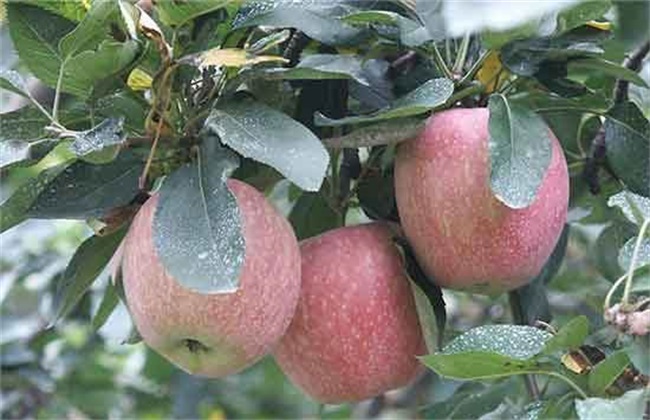
What are the common misconceptions about calcium supplementation for apples?
What are the misconceptions about calcium supplementation for apples?
条件筛选