What to Do When Polyscias Leaves Drop: Supplement Light, Water, Apply Dilute Fertilizer, Spray for Pest and Disease Prevention
Polyscias, an evergreen foliage plant, has leaves shaped like a bellyband that make people love it at first sight. In daily life, many plant lovers grow Polyscias just to enjoy its leaves, so when these beautiful leaves turn yellow and ugly, plant lovers must be very anxious! So what should you do when Polyscias drops its leaves? Today the editor will help everyone solve this problem.
I. What to Do When Polyscias Leaves Drop
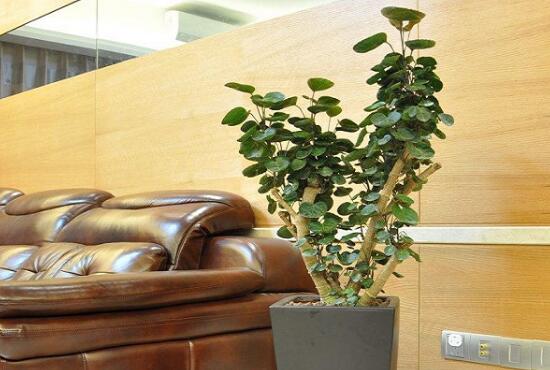
When it comes to Polyscias dropping leaves, aside from a poor environment, it is caused by improper care: if there is insufficient light, just supplement light; if it has been frozen, you need to raise the temperature and keep it warm; when watered too much, loosen the soil more to let the moisture evaporate quickly; when fertilized too much, flush with water to dilute the fertilizer; if it encounters pests and diseases, we need to spray pesticide for prevention and control.
II. Analysis of the Causes of Polyscias Leaf Drop
1. Poor ventilation
When it comes to the causes of Polyscias dropping leaves, the first thing everyone should consider is whether it is an environmental problem. One of the requirements for growing Polyscias indoors is ventilation; once it is too enclosed, Polyscias will lack oxygen and develop yellowing and falling leaves.
Solution: When this happens, it is very simple; place the Polyscias in a ventilated spot indoors, but everyone should note that the plant should not be exposed to cold wind.
2. Insufficient light
Although Polyscias is relatively shade-tolerant, it still needs sufficient light during growth; once it is placed in a dark spot for a long time, its leaves will turn yellow and drop due to lack of photosynthesis.
Solution: Because Polyscias dislikes strong light, it should be placed in bright indirect light, and every 3-5 days let it go out to get some sun to supplement the sunlight needed for growth.
3. Exposure to cold wind
Polyscias likes a warm environment and is not cold-tolerant. In winter, it should be moved indoors for care, and it should be protected from cold wind, otherwise leaf drop will occur.
Solution: In winter, take good warmth measures, and the indoor temperature should be maintained no lower than 10°C. In addition, the environment should be ventilated, but the plant should be protected from cold wind.
4. Overwatering
In addition, although Polyscias likes moisture, it dislikes waterlogged soil. Once watered too much and water accumulates in the pot, causing root rot, it will cause Polyscias leaves to turn yellow and fall off.
Solution: If water accumulates in the pot, loosen the soil more to let the moisture evaporate quickly; if the water has been accumulated for a long time and the plant's root system has rotted, it also needs to be removed, repot with new soil, and then replanted.
5. Overfertilizing
Polyscias needs a certain amount of fertilizer during growth, but we cannot fertilize too much either. Once there is too much fertilizer or it is too concentrated, it will also cause leaves to turn yellow and drop.
Solution: Take the Polyscias out of the pot, wash the roots with clean water, rinse continuously several times, then soak the roots in clean water. After the leaves recover, replace with new soil and replant.
6. Pests and diseases
In the process of growing Polyscias, it is inevitable that it will be harmed by pests and diseases, thereby damaging the leaves, causing them to turn yellow and drop.
Solution: If Polyscias leaf drop is caused by pests and diseases, everyone should determine which kind of pest damage it is, then spray the leaves with the relevant pesticide, and after a period of time it will return to health. As for what pesticide to spray, you can refer to pest and disease control for Polyscias.
Overall, the causes of Polyscias dropping leaves are mainly the above 6. After reading the full article, everyone should know what to do when encountering leaf drop again! In fact, leaf drop is caused by one reason, but it is often the result of multiple factors, so when everyone encounters this situation, they must make a correct diagnosis so that the right remedy can be applied.
What to Do When Polyscias Leaves Turn Yellow: Suitable Light / Reasonable Water and Fertilizer / Spray Pesticide for Pests and Diseases
As a recently popular foliage plant, Polyscias has many benefits, but what people value most is still its ornamental value, especially its evergreen leaves, which lift your mood at a glance. So when these beautiful leaves turn yellow, plant lovers must be very anxious! So what should you do when Polyscias leaves turn yellow? Today the editor will help everyone solve this problem.
I. What to Do When Polyscias Leaves Turn Yellow
When it comes to Polyscias leaves turning yellow, aside from environmental discomfort, it is caused by improper care: if there is too little or too much light, the leaves will turn yellow, so supplement light and provide shade in time; if it is caused by improper water and fertilizer, water and fertilize reasonably, neither too much nor too little; if it is caused by pests and diseases, spray pesticide in time for prevention and control.
II. Causes and Solutions for Polyscias Leaves Turning Yellow
1. Sudden environmental change
Regarding what to do when Polyscias leaves turn yellow, there are many causes overall, but the first thing everyone should think of is environmental problems. Nowadays, plant lovers' potted Polyscias are all bought online, which easily causes large regional differences and sudden major environmental changes; the plant cannot adapt for a while, resulting in yellowing leaves.
Solution: It is very simple. According to the growth habits of Polyscias, provide it with the best growing environment, and after caring for it for a period of time, it will recover.
2. Unsuitable light
① Insufficient light: Polyscias likes light and needs sufficient light during growth. Once it is placed in a shady spot for cultivation, over time Polyscias will be unable to absorb the light needed for growth, and its leaves will wilt and then turn yellow. Solution: It is very simple. Place the Polyscias in a place with sufficient light and good ventilation, and note that strong direct sunlight should be avoided in summer.
② Too much light: Although Polyscias needs sufficient light, it dislikes strong light. Once the light is too abundant, or it is exposed to strong direct sunlight, its leaves are easily sunburned, resulting in yellow leaves. Solution: Immediately move the Polyscias to a ventilated spot indoors, water appropriately, then care for it carefully for a period of time, and then gradually let it receive light; before long the leaves will regain their luster.
3. Overwatering
Polyscias likes moisture, but dislikes waterlogging, so watering appropriately is enough; it cannot be too much. Once watered too much and water accumulates in the pot, the plant's root system will have difficulty breathing, the leaves will not absorb nutrients, and over time it is not surprising that Polyscias leaves turn yellow.
Solution: If discovered in time, loosen the soil more to let the moisture evaporate quickly; once root rot appears, the plant should also be removed from the pot, then cut off the rotten roots, replace with new potting soil, and replant.
4. Too much or too concentrated fertilizer
Polyscias likes fertilizer; sufficient nutrients can make it grow lush branches and leaves. But although it likes it, there is still a limit. Once Polyscias is fertilized too much or too concentrated, it will burn the plant's roots, thereby causing Polyscias leaves to turn yellow.
Solution: Immediately stop fertilizing, then use water to dilute the concentrated fertilizer already applied, and note to flush several more times; if the roots have already been burned and rotted, then remove from the pot, cut off the rotten roots, replace with new potting soil, and replant.
5. Pests and diseases
In the process of growing Polyscias, due to improper care or a poor environment and other reasons, the plant will attract pests and diseases. Their appearance not only harms the plant's health, but also easily causes leaves to turn yellow.
Solution: If the yellow leaves are caused by pests and diseases, everyone only needs to determine the specific disease or pest damage, then spray pesticide accordingly for prevention and control. As for what pesticide to spray, you can refer to pest and disease control for Polyscias.
Overall, the cultivation method for Polyscias is not difficult, but because many plant lovers are beginners, yellowing leaves will inevitably appear. However, after reading the full article, I believe everyone has a clearer idea. When yellowing leaves appear, just solve it according to the methods above. Regarding Polyscias leaves turning yellow, the editor will introduce it here, hoping to bring help to everyone.
What to Do When Polyscias Leaves Turn Yellow: Handling Yellowing Polyscias Leaves
Polyscias is a subtropical evergreen plant, and the suitable minimum growing temperature is around 10°C. In winter and when temperatures are lower before and after winter, if good warmth measures are not taken, it will suffer freezing and its leaves will turn yellow and drop. In addition, in colder periods, overwatering can also cause its leaves to turn yellow and drop.
Potted Polyscias placed indoors for viewing should be put in a cool place, and water should be sprayed around it to lower the temperature, creating for it a cool micro-environment relatively close to its native conditions. If exposed to direct sunlight, the leaves will dry up.
What to Do When Polyscias Leaves Turn YellowWhen Polyscias leaves turn yellow, it will certainly affect its beauty and also affect its growth, so where exactly is the cause of the yellowing leaves?
Cause of Polyscias Leaves Turning Yellow: OverwateringPolyscias likes moisture, but dislikes waterlogging, so overwatering will not promote its growth; instead, it will cause some adverse symptoms, such as yellowing leaves.
Because Polyscias is also drought-tolerant, its roots can grow normally in dry conditions, but it fears being soaked in water. Once there is too much water, it will cause root rot, thereby affecting leaf growth and gradually turning yellow.
Prevention and control measuresReduce and control the amount of watering, especially in cold weather in autumn and winter; do not water too much, to prevent root rot.
Cause of Polyscias Leaves Turning Yellow: Lack of LightPolyscias likes high-temperature environments by habit and needs sufficient light for growth, so when you place Polyscias in a shady spot for cultivation, Polyscias cannot absorb the light needed for growth, and its leaves will wilt and then turn yellow.
Prevention and control measuresPlace the Polyscias in a place with sufficient light and good ventilation, and note that strong direct sunlight should be avoided in summer.
Cause of Polyscias Leaves Turning Yellow: Pest DamageThe most common pest damage on Polyscias is red spider mite infestation. This pest damage will damage the leaves, causing reddish-brown spots to appear on the leaves. When red spider mites suck the plant's sap, the leaves will gradually turn yellow.
Prevention and control measuresYou can rinse the plant with water to wash the red spider mites clean, or use the pesticide Kelite to spray the plant and eliminate the pest damage.
Cause of Polyscias Leaves Turning Yellow: High Fertilizer ConcentrationPerhaps when you fertilize Polyscias, you fertilize too many times and the concentration is also high. This will burn the plant's roots, thereby causing the leaves to turn yellow.
Prevention and control measuresWhen this happens, immediately stop fertilizing, or use water to dilute the concentrated fertilizer already applied; note that flushing several more times is enough. The moisture evaporates quickly. At the same time, appropriate soil loosening can be carried out.