How to grow a Polygonum multiflorum bonsai? Understand the cultivation method in one article
Polygonum multiflorum is used in both "raw and prepared" forms. Raw Heshouwu can detoxify, reduce abscesses, and lubricate the intestines to relieve constipation. It mainly treats scrofula, sores and abscesses, rubella with itching, and dry-intestine constipation. Prepared Heshouwu tonifies the liver and kidneys, replenishes essence and blood, darkens the beard and hair, and strengthens the bones and muscles. It mainly treats blood-deficiency sallow complexion, dizziness and tinnitus, premature graying of the beard and hair, soreness and weakness of the waist and knees, numbness of the limbs, abnormal uterine bleeding and leukorrhea, and chronic malaria with body weakness. In modern traditional Chinese medicine practice it is often used to treat hyperlipidemia with fairly ideal results.
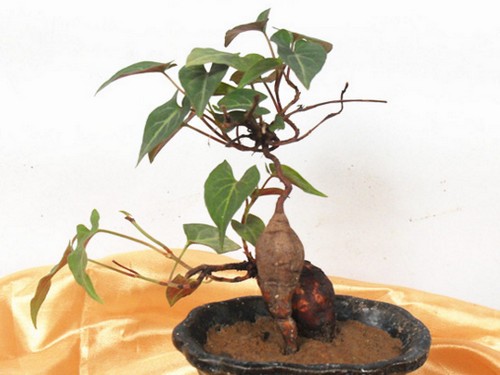
How do you cultivate Polygonum multiflorum, which has such outstanding effects? Below is an introduction to the cultivation method for a Polygonum multiflorum bonsai:
Sunlight: Polygonum multiflorum in a pot likes a warm and humid environment and is cold-tolerant. I grow mine on the security window of a sunny balcony after planting. Polygonum multiflorum is a perennial twining vine, and the security window bars are just right for it to climb.
Air: Make sure the Polygonum multiflorum vines have enough room to spread. Polygonum multiflorum is tolerant of pruning, so you can buy a flower stand or make one yourself for it to climb on, and prune as needed according to the direction of growth and requirements to ensure good air circulation for the branches and leaves.
Water: Polygonum multiflorum likes moisture, and drought easily causes the tuberous roots to dry up and die. But the pot must not be waterlogged, otherwise the tuberous roots and root system of Polygonum multiflorum are prone to rot, so the nutrient soil mix must ensure good drainage. No matter how much water is poured, the excess water must be able to seep out from the bottom of the pot immediately, so that waterlogging is guaranteed not to occur.
Fertilizing: Polygonum multiflorum is a fertilizer-loving plant, so apply sufficient base fertilizer and topdress several times. For topdressing, follow the principle of applying organic fertilizer in the early stage, phosphorus and potassium fertilizer in the middle stage, and no fertilizer in the late stage. After the plant survives and grows new roots, you can appropriately apply human waste, then topdress according to the plant's growth, generally 2 more times. After September, when the tuberous roots begin to form and grow, apply phosphorus and potassium fertilizer heavily, applying a mixed fertilizer of barnyard manure and plant ash.
Planting: When transplanting, more than half of the Polygonum multiflorum tuberous roots should be exposed above the potting soil, because only then does it have ornamental value. Transplanting and setting out are best done in spring and autumn. After planting in the setting-out site, cover with soil and firm it, then water with settling water.
Hilling: In southern production areas, carry out hilling around the roots at the end of December to increase propagation material and promote tuberous root growth; in the north, hill before winter to help it overwinter.