-
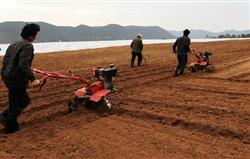
How to measure and adjust soil pH? A detailed explanation of the methods
What effect does soil pH have on crops? What methods are there for measuring soil pH? How do you adjust soil pH? We ask knowledgeable readers to help explain. Soil that is too acidic or too alkaline will, to varying degrees, reduce the availability of soil nutrients, make it hard to form good soil structure, and seriously inhibit soil micro...
-
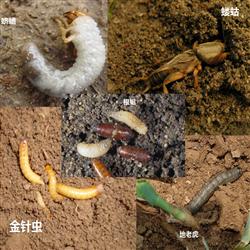
Introduction to Calcium Cyanamide and Its Agricultural Application Methods
What is calcium cyanamide? How is it used in agriculture? Is there anyone who knows about it and can help explain? Calcium cyanamide is also called nitrolime, and generally contains about 20%-22% nitrogen. Calcium cyanamide is a highly valuable fertilizer for current pollution-free agricultural production, and it is also a dual-purpose pesticide and fertilizer soil purifier...
-
How to identify potassium dihydrogen phosphate? Here are a few simple and practical methods
How to identify potassium dihydrogen phosphate? We hope experienced readers will share their methods. Zhongdi Network has compiled three methods for identifying potassium dihydrogen phosphate, listed below for readers' reference. Method 1: The standard packaging states a potassium dihydrogen phosphate content (on a dry basis) of ≥98%, rather than stating a total content of various other elements of...
-
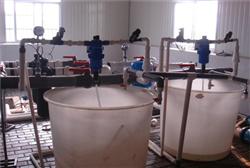
Types of water-soluble flush fertilizers and their correct use methods
How many types of flush fertilizers are there? How to use them well? Please advise. Flush fertilizers generally fall into the following major categories: the first category, macroelement fertilizers, including single fertilizers such as nitrogen, potassium, phosphorus, calcium, magnesium and sulfur fertilizers, or compound fertilizers, blended fertilizers and formula fertilizers, but all must be water-soluble, with a typical application rate of...
-
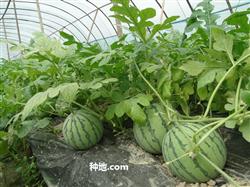
Detailed Explanation of the Differences Between Types of Water-Flush Fertilizers and Their Correct Application Methods
Should organic fertilizer be applied when growing watermelons now? What is the use of applying organic fertilizer? Growing watermelons that are sweet and refreshing is what every melon farmer strives for. Only by continuously improving watermelon quality can one win the market, be favored by the vast number of consumers, and achieve increased production and income for melon farmers. Watermelons have a short growth period and high yield...
-
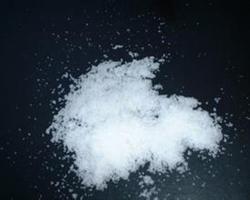
Types of Nitrogen Fertilizers and Scientific Application Methods
At present, the effective utilization rate of nitrogen fertilizers in our country is generally very low. How to reduce nitrogen loss and improve nitrogen fertilizer utilization rate is a problem of common concern to the vast number of farmers. Here are seven methods for improving the effective utilization rate of nitrogen fertilizers, introduced to the vast number of farmers: 1. Implement mixed application and deep application, and strengthen water management. A large number of field...
-
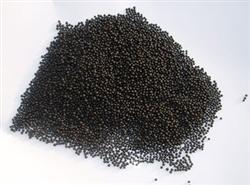
A Detailed Explanation of the Role of Organic Fertilizer and Common Application Methods
In the total nutrient amount currently applied as fertilizer to farmland in our country, about more than 1/4 of the nitrogen, more than 1/3 of the phosphorus, more than 80% of the potassium, and more than 90% of the trace elements are supplied through the application of organic fertilizer. Applying organic fertilizer is an important foundation for the sustainable development of modern agriculture. A large amount of research and practice holds that organic fertilizer has comprehensive nutrients and long-lasting fertilizer efficiency....
-
How to identify fake and inferior fertilizers and pesticides? The methods matter
In response to the current situation in the agricultural input market where the quality of fertilizers and pesticides varies greatly and cases of cheating and harming farmers occur from time to time, in order to improve the ability of the vast number of farmer friends to identify fake and inferior agricultural inputs and ensure the smooth progress of spring plowing production, the municipal agriculture department recently used the "safe agricultural inputs into villages and households" publicity activity, through distributing...
-
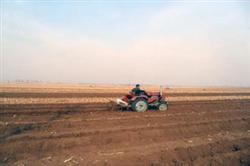
The Benefits of Deep Fertilizer Application and the Correct Application Methods
In recent years, production practice has proven that deep fertilizer application is a technical measure for improving fertilizer efficiency, reducing costs and increasing yields. I. Main forms of deep fertilizer application technology 1.1 Deep application of base fertilizer Use a fertilizing and soil-preparation machine, or add a fertilizer box and fertilizer-discharging device to a moldboard plow or paddy field tillage machine, so that while turning the soil it applies...
-

Key Technical Points and Detailed Methods of Foliar Fertilization
Do not spray in extremely hot weather or before rain, so as to avoid burning the seedlings or losing fertilizer nutrients. The best time to spray is in the early morning or afternoon each day, and after spraying, wait 7-10 days before spraying again. When spraying on cereal crops or crops with smooth leaves, add 0.1% adhesive (such as laundry detergent or dish soap), etc. Otherwise, the effect...
条件筛选