How to measure and adjust soil pH? A detailed explanation of the methods
What effect does soil pH have on crops? What methods are there for measuring soil pH? How do you adjust soil pH? We ask knowledgeable readers to help explain. Soil that is too acidic or too alkaline will, to varying degrees, reduce the availability of soil nutrients, make it hard to form good soil structure, and seriously inhibit soil micro...
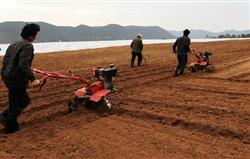 What effect does soil pH have on crops? What methods are there for measuring soil pH? How do you adjust soil pH? We ask knowledgeable readers to help explain
Soil that is too acidic or too alkaline will, to varying degrees, reduce the availability of soil nutrients, make it hard to form good soil structure, and seriously inhibit the activity of soil microorganisms, thereby affecting the growth and development of all kinds of crops. Soil pH therefore plays a key role in farming, so Zhongdi Network has put together the effects of soil pH on crops along with measurement and adjustment methods, listed in detail below for readers to refer to.
Effects of soil pH on crops:
1. Effects on soil nutrients:When soil pH is above 7.5 or below 6, phosphoric acid forms slowly available forms with calcium, iron or aluminium, reducing its availability. Calcium, magnesium and potassium are easily exchanged and easily leached in acidic soil. Calcium and magnesium have low solubility in strongly alkaline soil, reducing their availability. Trace elements such as boron, manganese and copper have greatly reduced availability in alkaline soil, while molybdenum in strongly acidic soil forms precipitates with free iron and aluminium, which can reduce its availability.
2. Effects on soil microorganisms:The most suitable pH for soil microorganisms is generally the neutral range between 6.5 and 7.5. Too acidic or too alkaline will seriously inhibit the activity of soil microorganisms, thereby affecting the transformation and supply of nitrogen and other nutrients. (Microorganisms can improve nutrient use efficiency, promote crops' ability to absorb nutrients, loosen and improve soil, secrete growth hormones, secrete antibiotics, promote crop growth and development, and improve disease resistance.)
3. Soil easily produces harmful substances:Soil that is too acidic easily produces free Al3+ and organic acids, which directly harm crops. In alkaline soil, once soluble salts reach a certain level, they directly affect the germination and normal growth of crops. Alkaline soil containing more sodium carbonate is even more toxic to crops.
4. Effects on crop root growth:Most plants at pH>9.0 or<2.5的情况下都难以生长。植物可在很宽的范围内正常生长,但各种植物有自己适宜的pH。
For example, acid-loving plants: Rhododendron, Vaccinium, Camellia, Chinese fir, pine, rubber tree, heather;
For example, salt- and alkali-loving plants: tamarisk, Russian olive, goji, etc.
Methods for measuring soil pH:
Method 1: Measure by soil colour:Acidic soil is generally darker in colour, mostly blackish-brown, while alkaline soil is mostly light-coloured, such as white or yellow. In some saline-alkali areas, there is often a layer of white powdery alkaline material on the soil surface.
Method 2: Measure by soil texture:Acidic soil has a loose texture and strong air and water permeability; alkaline soil has a hard texture, easily compacts into clods, and has poor air and water permeability.
Method 3: Measure by soil cohesiveness:Acidic soil feels "soft and loose" in the hand, and after you open your hand the soil easily crumbles and does not readily form clods; alkaline soil feels "hard and solid" in the hand, and after you open your hand it easily forms clods that do not crumble.
Method 4: Measure the soil solution with pH test paper:Take part of a soil sample and soak it in cool boiled water, dip part of the test paper into the soaking liquid, then take it out and observe the colour change, then compare the test paper with the colour chart. If the pH value = 7, the soil is neutral; if the pH value < 7, it is acidic; if the pH value > 7, it is alkaline. (This measurement method will have errors because the pH of the water differs, so it is best to use distilled water for the measurement.)
Methods for adjusting soil pH:
Adjustment methods for acidic soil:You can apply 20 to 25 kg of lime per mu each year, and apply plenty of farmyard manure. Be sure not to apply only lime without farmyard manure, as this will instead make the soil yellow and poor.
For acidic soil you can also apply 40 to 50 kg of plant ash to neutralise the soil acidity. At the same time, you can increase the number of irrigations to dilute the harm acidity does to crops.
You can also use alkaline fertilisers when fertilising to adjust it. Alkaline fertilisers include ammonium bicarbonate, ammonia water, lime nitrogen, calcium magnesium phosphate, phosphate rock powder, plant ash and so on.
Adjustment methods for alkaline soil:For alkaline soil, you can apply 30 to 40 kg of gypsum per mu as a base fertiliser to improve it. If the soil is too alkaline, you can add a small amount of aluminium sulfate, ferrous sulfate, sulfur powder, humic acid fertiliser and so on. When irrigating, pour some diluted water of ferrous sulfate or aluminium sulfate to increase the soil's acidity.
When fertilising, apply more farmyard manure to improve the soil, build up soil fertility and enhance the soil's affinity, such as applying rotted manure, peat, sawdust and so on. You can apply acidic fertilisers to adjust soil pH, such as ammonium sulfate, ammonium nitrate, calcium superphosphate, potassium dihydrogen phosphate, potassium sulfate and so on.
What is lime nitrogen?
What is BB fertiliser?