Introduction to Calcium Cyanamide and Its Agricultural Application Methods
What is calcium cyanamide? How is it used in agriculture? Is there anyone who knows about it and can help explain? Calcium cyanamide is also called nitrolime, and generally contains about 20%-22% nitrogen. Calcium cyanamide is a highly valuable fertilizer for current pollution-free agricultural production, and it is also a dual-purpose pesticide and fertilizer soil purifier...
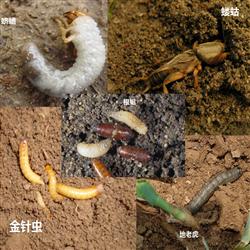 What is calcium cyanamide? How is it used in agriculture? Is there anyone who knows about it and can help explain?
Calcium cyanamide is also called nitrolime, and generally contains about 20%-22% nitrogen. Calcium cyanamide is a highly valuable fertilizer for current pollution-free agricultural production, and it is also a dual-purpose pesticide and fertilizer soil purifier. Calcium cyanamide has the dual functions of soil disinfection and soil fertility improvement, and is commonly used in vegetable growing areas. Therefore, Zhongdiwang has compiled the functions and application methods of calcium cyanamide, listed in detail below for netizens' reference.
Functions of calcium cyanamide:
Function One:Applying calcium cyanamide can improve soil structure and suppress the occurrence of pests and diseases, thereby improving vegetable quality and yield.
Function Two:Calcium cyanamide contains more than 38% calcium, which can meet the calcium demand during plant growth, and has a particularly significant effect on calcium-loving plants.
Function Three:Calcium cyanamide releases nitrogen slowly, and the ammonium nitrogen formed by the decomposition of calcium cyanamide is not easily lost in the soil. Its fertilizer effect period can reach 3-4 months, which can meet the nitrogen fertilizer demand of vegetable crops in the early growth stage, reduce the application amount of chemical nitrogen fertilizer, and reduce the nitrate content in agricultural products and the pollution of groundwater.
Function Four:Calcium cyanamide can decompose into calcium hydroxide in the soil, which has a neutralizing effect on acidic soil. It can also prevent crop calcium deficiency and reduce the occurrence of physiological fruit diseases, such as tomato blossom-end rot and Chinese cabbage tipburn. Calcium cyanamide can also increase the storability of fruits and vegetables.
Function Five:Calcium cyanamide can promote the decomposition of organic matter such as straw in compost.
Application methods of calcium cyanamide:
Method One:The intermediate products of calcium cyanamide decomposition, cyanamide and dicyandiamide, both have the functions of disinfection, pest elimination and disease prevention. Immediately after the plum rain season, plow the protected soil during high temperatures, apply 70-100kg of calcium cyanamide and 600-1200kg of rice straw per mu of plow layer soil, form beds, then irrigate, cover with transparent plastic film, seal the greenhouse, and keep it closed for 20-30 days.
It can control various soil-borne diseases and underground pests, especially with good effects on fungal diseases, such as lettuce sclerotinia rot, pea stem rot, clubroot, root rot and soft rot of cruciferous vegetables, and spinach fusarium wilt and damping-off. The control effect on cruciferous vegetable clubroot can reach more than 95%, and Chinese cabbage can increase yield by 33-42%. The calcium cyanamide disinfection method has the advantages of good effect, relatively low cost, no residual toxicity and safe operation, but it also has the disadvantage of requiring a relatively long time.
Method Two:Use before rice transplanting: roughly plow the paddy field, maintain a water depth of 3-4 cm, and after 3-4 days, evenly broadcast 13.3-20kg of calcium cyanamide per mu. After another 3-4 days, prepare the land and plant, but the nitrogen fertilizer application amount must be adjusted.
It can also be used after rice harvest. After harvest, irrigate to maintain a water depth of 3-4 cm, and evenly broadcast 13.3-20kg of calcium cyanamide per mu. Golden apple snails will die after being immersed in a 300mg/kg calcium cyanamide aqueous solution for 3 days. However, during operation, the outflow of field water must be strictly controlled to avoid affecting the growth of animals and plants in nearby fields and water areas.
Method Three:After rice harvest, broadcast 26.7-33.3kg of calcium cyanamide per mu over the paddy field as soon as possible. This can break the dormancy of barnyardgrass seeds, make them germinate and grow before winter, and use the low winter temperatures to let them die naturally. This is an effective way to reduce barnyardgrass damage.
Method Four:Smearing grape branches (dormant buds) with a 20% calcium cyanamide solution can make grapes sprout 3 weeks earlier and harvest 15 days earlier, greatly improving economic benefits.
Method Five:Calcium cyanamide also has the effect of promoting the sprouting of fruit branches and asexual reproductive bodies (tubers, corms, etc.), making crops mature earlier and improving economic benefits. For example, soaking seed potatoes in a 15% calcium cyanamide aqueous solution for 5 minutes before planting can advance sprouting by 1-2 weeks, and the number of sprouts is greater and the yield is higher.
For asparagus cultivation, in mid-to-late December, dissolve 20g of calcium cyanamide in 2kg of water (about 33.3kg per mu) and pour it on the plants. After 12 days, they will sprout uniformly.
Method Six:Smearing calcium cyanamide can advance the initial flowering period of pear trees by about 10 days, increase the sprouting rate by more than 2 times, and increase the average number of flowers per pear inflorescence. The optimal concentration of the calcium cyanamide aqueous solution is 16.7%.
Precautions for using calcium cyanamide:
Precaution One: Calcium cyanamide should not be applied to alkaline soil. Poor sandy soil and peat soil are also not suitable for applying calcium cyanamide.
Precaution Two: Calcium cyanamide should not be directly used as seed fertilizer or topdressing fertilizer; it is only suitable for use as base fertilizer.
Precaution Three: Calcium cyanamide should not be mixed with microbial fertilizers, because calcium cyanamide will kill microorganisms.
Precaution Four: When applying calcium cyanamide, wear protective equipment such as glasses, rubber gloves, a mask, long clothes and long pants, because calcium cyanamide is an alkaline fertilizer and accidental contact can cause alkaline allergic reactions.
What is calcium ammonium nitrate
What is potassium nitrate