-

A Detailed Guide to Vegetable Growing Techniques and Practical Methods
If you are a first-time vegetable grower, it is best to grow wild vegetables. So-called wild vegetables include such plants as Madeira vine, Gynura bicolor, sweet potato leaves, ginseng herb, aloe, Taiwan angelica, and shungiku. Wild vegetables are easy to grow and high in energy, but they have a distinctive taste of their own, so insects dislike coming near them, and they can grow well without pesticides
-
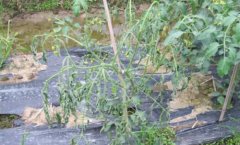
How to prevent and control bacterial wilt in tomatoes? Detailed explanation of the best treatment methods
Tomato bacterial wilt is a very serious disease in tomato cultivation. If it is not managed well, it can easily cause major damage. So how should it be managed? Let's take a look together. Pathogen: This disease is caused by Pseudomonas solanacearum. The bacterium belongs to the non-fluorescent pseudomonad
-
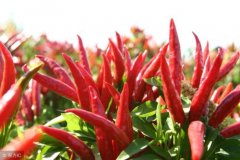
How to Grow Chili Pepper Seeds? A Detailed Guide to Growing Techniques and Methods
We all know chili peppers; this kind of pepper is very popular in Sichuan, Chengdu, and Guizhou, which is also the market value of growing it. So how do you grow chili peppers, and how can you grow them for high yield? As a superior cash crop, chili peppers
-
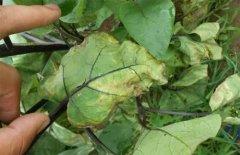
Eggplant Verticillium Wilt: Symptom Identification and Control Methods
Verticillium wilt is one of the major diseases in the growth of eggplant, and this disease is becoming more and more serious, and the worsening of this disease has also seriously affected the yield and quality of eggplant. Therefore, chemical control should be carried out according to the characteristics of the occurrence of this disease. How exactly should it be done
-
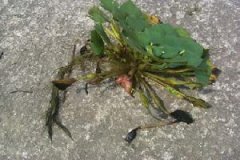
What Is the Water Chestnut? A Detailed Guide to Water Chestnut Cultivation and Deep-Water Planting Methods
Water Chestnut Planting Site Selection The water chestnut, also known as ling, belongs to the genus Trapa in the family Trapaceae and is an annual aquatic crop. The water chestnut is suited to surviving in hot, humid swamp or paddy field environments. So how exactly is it planted? Let's take a look together and try growing it yourself! Water Chestnut Cultivation
-

When to Plant Taro? Growing Period Days and Planting Management Methods
How many days is the growing period of taro? The general growing period of taro is 210 to 240 days; for late-maturing varieties, the growing period is 270 to 300 days. From this, the growth cycle of taro is very long. Would you like to learn about taro's planting methods and management, and when to plant taro?
-

How to Plant Sweet Potato Vines: A Detailed Guide to Planting Time and Methods
Do you know how to plant sweet potatoes? Sweet potatoes are generally grown from sweet potato vines. First, let old sweet potatoes sprout slips, then prune the slips. Usually, a slip with two to 3 leaf nodes can be planted as one sweet potato start. If you want to propagate new plants, you can use the sweet potato vines cut the first time, or use the vines harvested this time and replant them for propagation. Let's take a look below at what needs attention when planting sweet potatoes.
-
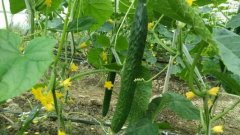
How to grow cucumbers in summer? Seed soaking time and fertilizing methods
Among summer vegetables and fruits to grow, there is one that even beginners are sure to succeed with, and it does not take up a lot of space either. Even on a brightly lit windowsill you can grow it successfully, and that is the cucumber. Let's learn about cucumber growing methods together! To grow cucumbers you must buy seeds, because the ones bought
-
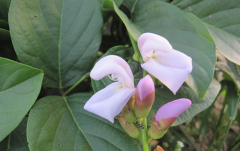
Sword Bean Growing Techniques, Propagation Methods, and the Differences Between Vining and Dwarf Varieties
Do you know the red phoenix bean? This plant has another name, the sword bean. So what are the planting time and methods for sword beans? Let's take a look together! The sword bean blooms from June to July and fruits from August to October. Among plants, those commonly called "sword bean" come in vining
-
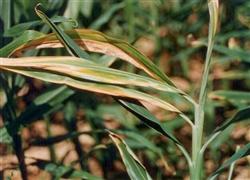
Causes and Control Methods of Ginger Bacterial Wilt
What causes ginger bacterial wilt? How do you control ginger bacterial wilt? We ask knowledgeable readers to help explain. Ginger bacterial wilt mainly damages the rhizome, and in most cases the disease first appears at the stem base near the ground and in the upper half of the underground rhizome. The diseased part is initially water-soaked, yellowish-brown, loses its luster, and softens and rots. Only the outer skin remains. The rotting...
条件筛选