-
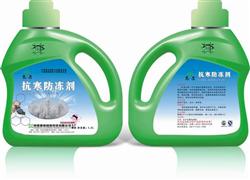
What is plant antifreeze, and how should it be used?
What is plant antifreeze? How is it used? Please give an introduction. The role of plant antifreeze: the main role of plant antifreeze is to improve the cold resistance and low-temperature resistance of crops and various fruit trees and nursery stock, and their resistance to late-spring cold snaps, effectively preventing early and late frost attacks and avoiding or reducing frost damage. For frostbitten plants, it can quickly restore tree vigor and restore the normal growth and repair function of crops.
-
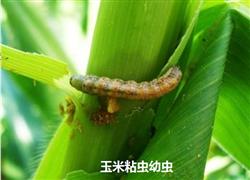
What is the function of chlorantraniliprole, and how is it used?
What is the function of chlorantraniliprole, and how is it used? How many days is the pre-harvest interval for chlorantraniliprole? We also ask knowledgeable readers to help explain. On the market today, 5% and 20% suspension concentrates and 35% aqueous solutions of the amide-class insecticide chlorantraniliprole are commonly seen, but many users do not understand the function and use of this type of insecticide...
-
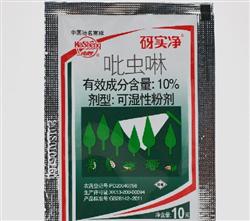
Which pests can imidacloprid control, and how is it used?
What pests can imidacloprid control? What are the methods for using imidacloprid? We also ask knowledgeable netizens to help explain. On the agricultural supply market there are imidacloprid wettable powders, emulsifiable concentrates, dispersible granules, soluble concentrates, etc., but farmers are still not very clear about what imidacloprid specifically does, so Zhongdi Network has compiled...
-
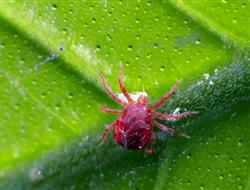
What kind of pest is the red spider mite, and how should it be controlled?
What is the red spider mite? What harm does the red spider mite cause, and how is it controlled? We ask knowledgeable netizens to help explain. The red spider mite, also called the cotton leaf mite, is a major threat mainly harming corn, sorghum, beans, sugar beet, melons, vegetables and various other crops during the mid-to-late growth stages. Therefore, Zhongdi Network has compiled the harm and control methods of the red spider mite...
-
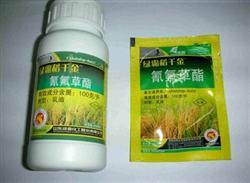
What is cyhalofop-butyl and how should it be used?
What is cyhalofop-butyl? How is cyhalofop-butyl used? We ask knowledgeable netizens to help explain. Currently, the agricultural input market has cyhalofop-butyl herbicides in 10%, 15% or 100g/L emulsifiable concentrate formulations, but some farmers do not understand how to use cyhalofop-butyl herbicide, so Zhongdiwang has compiled the principles and usage of cyhalofop-butyl herbicide...
-
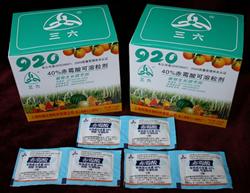
What is gibberellin and how should it be used correctly?
What is gibberellin? How is gibberellin used? Is there any knowledgeable netizen who can help explain? Gibberellin is a broad-spectrum plant growth regulator that can promote crop cell elongation, leaf enlargement, parthenocarpy (seedlessness), and fruit growth. Gibberellin can break seed dormancy, change the ratio of female to male flowers in crops...
-
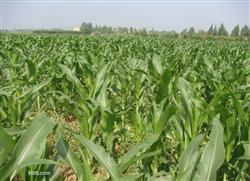
Causes of Herbicide Phytotoxicity and How to Prevent It
How can you improve the effectiveness of herbicides applied in corn fields? Farmer friends should carefully choose good herbicide varieties and correctly master the timing and method of application to improve herbicide effectiveness: 1. Timing of use: apply herbicides after harvesting wheat and irrigating the field, because high soil moisture allows the efficacy to fully...
-
Pesticide residues on vegetables and fruits are highly harmful; how should they be handled so you can eat with peace of mind?
The harm caused by pesticide residues is enormous. According to experts, pesticide poisoning can be divided into acute and chronic types. Acute poisoning can show symptoms within 24 hours,...
-

Some vegetables and fruits have high pesticide residues, so how should you wash them to get them clean?
Everyone knows that fruits and vegetables are excellent health-promoting foods and healthy natural nutrients, so everyone likes to eat fruits and vegetables, but when we buy...
条件筛选