-
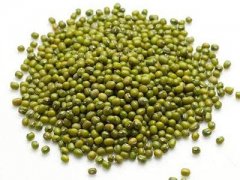
How to Store Mung Beans So They Don't Sprout or Get Bugs
Mung beans and adzuki beans are treasures among grains, so how should these two grains be stored? Mung beans and adzuki beans discolor easily because their seed coats contain a lot of tannins and polyphenol oxidase, which readily oxidize and discolor under the influence of air, light, moisture and temperature. The higher the moisture, the higher the temperature
-
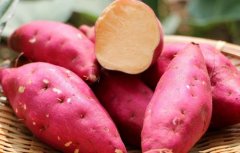
How to Plant Sweet Potato Vines: A Detailed Guide to Planting Time and Methods
Do you know how to plant sweet potatoes? Sweet potatoes are generally grown from sweet potato vines. First, let old sweet potatoes sprout slips, then prune the slips. Usually, a slip with two to 3 leaf nodes can be planted as one sweet potato start. If you want to propagate new plants, you can use the sweet potato vines cut the first time, or use the vines harvested this time and replant them for propagation. Let's take a look below at what needs attention when planting sweet potatoes.
-
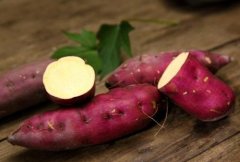
When Are Sweet Potatoes Planted? A Detailed Guide to Planting Time, Methods and Cycle
Sweet potato is a high-fiber vegetable, which is very beneficial to the human digestive system, and it is also very popular with consumers during the sweet potato season. So how are sweet potatoes grown? Would you like to know? They usually come on the market
-
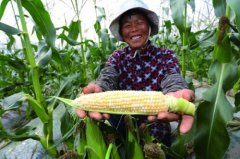
What Kind of Corn Is Fruit Corn? Differences from Other Corn and How to Eat It
What is fruit corn? Is fruit corn easy to grow? Fruit corn is a type of sweet corn suitable for eating raw. Compared with ordinary sweet corn, its main characteristics are thin skin with no residue, a delicate texture, lots of juice, and a crisp, sweet taste; it can also be eaten after cooking. Fruit
-
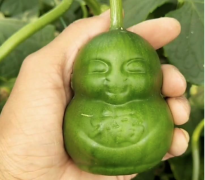
What Does a Cucumber Look Like, and How Do You Grow Ginseng-Fruit-Shaped Cucumbers?
We are all familiar with the cucumber as a fruit, and cucumber growing techniques are relatively simple. The fruit is oily green or emerald green, with soft small spines on its surface. The fruit shape is oblong, round or cylindrical. But have you ever seen a "ginseng fruit" cucumber? 201
-
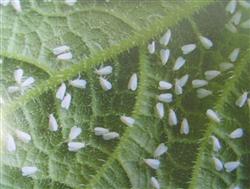
Rice Pest and Disease Control: How to Control the Rice Whitefly?
How to control the rice whitefly? What harm does the rice whitefly cause? How does the rice whitefly occur? Please provide an introduction to the harm caused by the rice whitefly: The rice whitefly, also called the rice whitefly (rice powdery whitefly), is a new pest on rice. It also damages food crops such as sugarcane and corn, as well as grasses such as crabgrass, barnyardgrass and Chinese sprangletop...
-
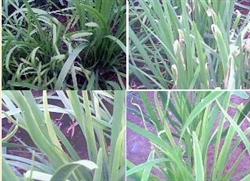
What causes the yellowing and dying leaves of garlic chives? How to prevent and control it
Why do garlic chives have withered leaves? How to prevent and control it? Please explain the causes and control methods. During the growing period, garlic chives often develop dry, withered leaves, mainly caused by Phytophthora blight and gray mold, and in some cases by physiological disorders. The following methods can be used for prevention and control: Withered leaves caused by Phytophthora blight. Phytophthora blight is the main disease of garlic chives in protected cultivation...
-
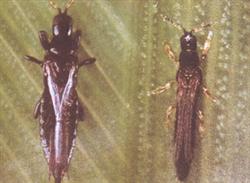
Rice pests and diseases: How do you control common rice pests and diseases?
How do you control common rice pests and diseases? Please provide an introduction and guidance on how to control the common rice pests and diseases: rice thrips, leaf roller (rice skipper), rice leaf roller, and rice planthopper. For detailed control methods, you can refer to the following methods: 1. Rice thrips. Rice thrips are very small, and the adults are dark brown, winged, and crawl...
-
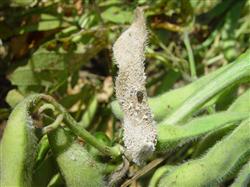
Common soybean diseases and how to prevent and control them
What diseases need to be prevented and controlled when growing soybeans? Here is an introduction. The diseases that need to be prevented and controlled when growing soybeans are: 1. Soybean root rot: This disease can occur and cause damage throughout the entire growth period of soybeans, reducing yields by 25-75% or more. The protein content of affected seeds is significantly reduced. The main symptom is the appearance of dark brown...
-
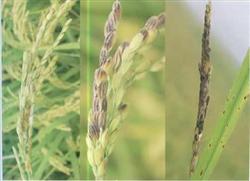
Why does rice produce empty and blighted grains, and how should it be prevented and controlled?
Why does rice produce empty and blighted grains, and how should it be prevented and controlled? Please give a detailed introduction. Under normal conditions, the rate of empty and blighted rice grains is generally 10%-20%, and in severe cases can reach 40%, which greatly affects rice yield. 1. Causes of formation. The rate of empty and blighted rice grains is mainly affected by 3 factors. 1. Climatic...
条件筛选