What is the function of chlorantraniliprole, and how is it used?
What is the function of chlorantraniliprole, and how is it used? How many days is the pre-harvest interval for chlorantraniliprole? We also ask knowledgeable readers to help explain. On the market today, 5% and 20% suspension concentrates and 35% aqueous solutions of the amide-class insecticide chlorantraniliprole are commonly seen, but many users do not understand the function and use of this type of insecticide...
 What is the function of chlorantraniliprole, and how is it used? How many days is the pre-harvest interval for chlorantraniliprole? We also ask knowledgeable readers to help explain.
On the market today, 5% and 20% suspension concentrates and 35% aqueous solutions of the amide-class insecticide chlorantraniliprole are commonly seen, but many users do not understand the function and use of this type of insecticide, so Zhongdiwang has compiled the function and use of chlorantraniliprole insecticide, and the details are listed below for readers' reference.
The function of chlorantraniliprole insecticide:
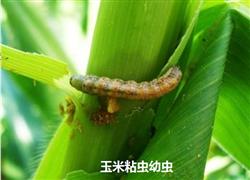
Chlorantraniliprole is mainly used to control armyworm, cotton bollworm, tomato fruit moth, diamondback moth, cabbage looper, beet armyworm, codling moth, peach fruit moth, oriental fruit moth, spotted tentiform leafminer, Asiatic apple leafminer, striped stem borer, yellow stem borer, imported cabbageworm, Asian corn borer, tobacco budworm, rice water weevil, rice gall midge, black-tailed leafhopper, American serpentine leafminer, tobacco whitefly, potato weevil, rice leaf roller and other pests.
Chlorantraniliprole insecticide mainly works by binding to the ryanodine receptors of pest muscle cells, causing the receptor channels to open abnormally, which leads to unlimited release of calcium ions from the calcium store into the cytoplasm, causing the pests to become paralyzed and die.
Chlorantraniliprole insecticide provides reliable and stable control at low doses, has a longer efficacy period, resists rain washing, and provides immediate and long-lasting protection at any stage of crop growth. It can quickly stop pests from feeding (about 7 minutes), rapidly causes loss of vitality and the ability to regurgitate, and they die within 24~72 hours.
At the same time, chlorantraniliprole insecticide has low toxicity to mammals, is very safe for applicators, has low toxicity to beneficial arthropods such as birds, fish and bees, and can meet the maximum residue limit standards.
How to use chlorantraniliprole insecticide:
1. For control of rice striped stem borer and yellow stem borer: use 5~ ml of 20% chlorantraniliprole suspension concentrate per mu, dilute with water and spray evenly on rice for control.
2. For control of diamondback moth on vegetables: use 30~55 ml of 5% chlorantraniliprole suspension concentrate per mu, dilute with water and spray evenly on vegetables for control.
3. For control of Asiatic apple leafminer on fruit trees: 35% chlorantraniliprole aqueous solution can be used, diluted 17500~25000 times with water and sprayed evenly on fruit trees for control.
Pre-harvest interval of chlorantraniliprole insecticide:
1. For vegetables, use 5% chlorantraniliprole insecticide suspension concentrate at most 3 times, with a pre-harvest interval of 1 day.
2. For rice, use 20% chlorantraniliprole insecticide suspension concentrate at most 3 times, with a pre-harvest interval of 7 days.
3. For fruits, use 35% chlorantraniliprole insecticide aqueous solution at most 3 times, with a pre-harvest interval of 14 days.
The function of ethephon
Precautions for using laundry detergent to control aphids