What kind of pest is the red spider mite, and how should it be controlled?
What is the red spider mite? What harm does the red spider mite cause, and how is it controlled? We ask knowledgeable netizens to help explain. The red spider mite, also called the cotton leaf mite, is a major threat mainly harming corn, sorghum, beans, sugar beet, melons, vegetables and various other crops during the mid-to-late growth stages. Therefore, Zhongdi Network has compiled the harm and control methods of the red spider mite...
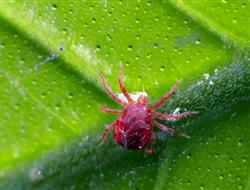 What is the red spider mite? What harm does the red spider mite cause, and how is it controlled? We ask knowledgeable netizens to help explain
The red spider mite, also called the cotton leaf mite, is a major threat mainly harming corn, sorghum, beans, sugar beet, melons, vegetables and various other crops during the mid-to-late growth stages. Therefore, Zhongdi Network has compiled the harm and control methods of the red spider mite, listed in detail below for netizens' reference.
The harm caused by the red spider mite:
The red spider mite mainly harms the leaves, stems, flowers and other parts of plants, piercing and sucking the stems and leaves, reducing the moisture in the affected parts, causing them to lose green color and turn white, with dense pale small spots appearing on the leaf surface, curling and turning yellow. In severe cases, plants develop yellow leaves, scorched leaves, curled leaves, leaf drop and death. Moreover, the red spider mite is also a vector of viral diseases.
The red spider mite generally resumes activity in early spring when the temperature reaches 7°C, first feeding and reproducing for 1-2 generations on weeds or overwintering hosts, then migrating into cotton fields to cause damage in early May.
The red spider mite causes the most severe damage during the high-temperature and drought period from July to August. Generally, cotton fields with continuous cropping, extensive management, many weeds, close proximity to vegetable plots, and sandy soil experience early and severe cotton leaf mite outbreaks.
The red spider mite prefers high temperatures, and high temperature and dryness favor its growth and development. At 15-30°C, as the temperature rises, the time required for each mite stage shortens, and at 20-27°C the leaf mite grows most favorably.
Control methods for the red spider mite:
Method one,Promptly and thoroughly remove weeds in fields, on field ridges and along canal banks, to reduce the leaf mite's food sources and breeding sites, lower the pest population base, and prevent it from moving into fields.
Method two,Protect beneficial insects such as green lacewings and ladybugs, and make full use of natural enemies to control leaf mite damage.
Method three,When cultivating crops, irrigate reasonably and avoid excessive dryness.
Method four,At the early stage of red spider mite occurrence, carry out chemical control promptly. Pesticides can include 73% propargite 1000-fold solution, 25% mancozeb-mite 1200-fold solution, 20% compound liuyangmycin 1000-fold solution, 20% dicofol 1000-fold solution, etc. Spray once every 7-10 days, for about 3 consecutive sprays. The focus of spraying is the upper part of the plant, especially the young leaf undersides and tender stems, and increase the spray amount at heavily affected points or plants in the field.
How to make insect sticky traps
What is a white grub