-
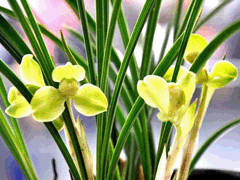
An Analysis of the Compatibility Characteristics of Chinese Orchid Appreciation
The Compatibility of Chinese Orchid Appreciation
-
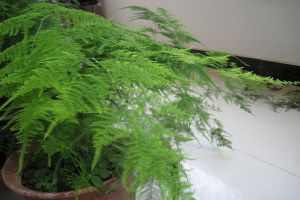
Why Is Your Asparagus Fern Dropping Leaves? Cause Analysis and Solutions
First, it could be a lighting problem: the light is too strong. In this case, you need to move it to a shady spot and mist the leaves with some water. Next, it could be too much water, causing root rot from waterlogged soil. Then you have to control the amount of water and loosen the soil for it. The third is a fertilizer problem: using fertilizer that is too concentrated or not fully decomposed. You need to take the plant out of the pot, remove the fertilizer, rinse it with clean water, and then put it back in. However, there is also a special case: severe leaf drop in winter may be due to not watering for a long time, so you need to water it appropriately.
-
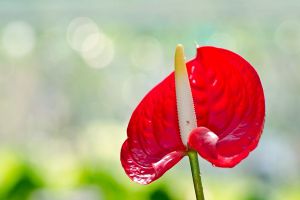
What to Do About Root Rot in Anthurium? Cause Analysis and Treatment Methods
If a soil-grown anthurium develops root rot, it is mostly caused by root rot disease. First, the rotten roots must be cut off and then disinfected. After that, some chemicals can be sprayed, such as metalaxyl. If a water-grown anthurium develops root rot, the most likely cause is a water quality problem. The first thing to do is likewise to cut off the rotten roots and disinfect them. Then, change the water frequently; the requirements differ by season. The water level also needs attention: about one third of the container. When necessary, measures can be taken to increase the oxygen content in the water.
-
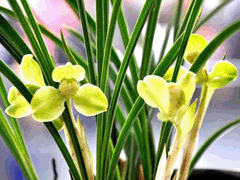
Analysis of the Causes of Orchid Leaf Tip Burn and Discussion of Countermeasures
Discussion on Orchid Leaf Tip Burn
-
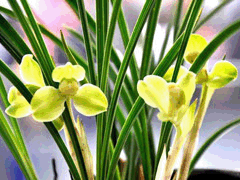
Why do orchid leaves dry up? An analysis of the causes in home gardening
Why do orchid leaves dry up? _Home gardening
-
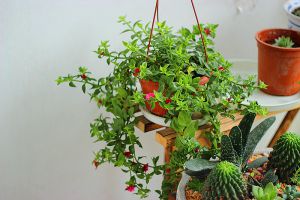
Are Madagascar periwinkle and Andrographis paniculata the same plant? An analysis of the differences between the two
They are not the same plant. The former has dense green leaves, with flowers blooming at the tips of the branches; the flowers are red, and the flowering period lasts from spring to autumn, so both flowers and leaves can be seen. The latter has ovate leaves, flowers can be seen both at the top and in the leaf axils, and its calyx has some fine hairs, while the corolla is white and also hairy on the outside.
-
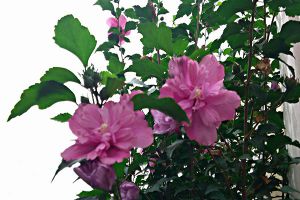
What are the common pests of hibiscus? A full analysis of solutions
This plant mainly has a few kinds of pests. Early prevention and control is the main approach, and after that regular inspections are needed. If there are some insects, use pesticides to kill them. For example, for aphids you can use dimethoate emulsion, while for leaf-rolling moths fenitrothion is feasible, for inchworms you can still use the pesticide used for aphids, and for nettle caterpillars you should directly bury the cocoons, then remove them manually, and you can also use their phototaxis to kill them.
-
What are the medicinal effects of orchids? A full analysis of the treatment methods
Orchid medicinal effects and treatment methods_Health and Wellness
-

How should water-absorbing stone bonsai be placed? A complete analysis of feng shui considerations
Water-absorbing stone, also known as water-rising stone, is often made into bonsai on its own or combined with plants because of its extremely strong water-absorbing ability. Besides its role in ornamentation and beautifying the environment, water-absorbing stone also has rich meaning on the feng shui level. So...
-

Is the chrysanthemum poisonous? A comprehensive analysis of the toxicity of chrysanthemums
People use chrysanthemums to make tea, but in fact they are poisonous. Some people rank them sixth among the most poisonous plants, and cultivated ones are somewhat more poisonous than wild ones. There is no need to worry that the ones bought in the market are poisonous, because after sun-drying and pan-frying the toxicity disappears, but we must not cook and eat them together with pork, chicken or celery, as this can cause poisoning.
条件筛选