-
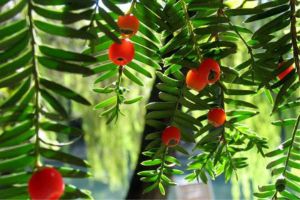
What to Do About Root Rot in Yew? Cause Analysis and Treatment Methods
When growing yew, root rot sometimes occurs. The main specific causes include overwatering, using unrotted fertilizer or over-fertilizing, insufficient light, and underground pests or diseases. To address these, we need to use methods such as controlling water, controlling fertilizer, supplementing light, and killing pests to remedy the situation.
-
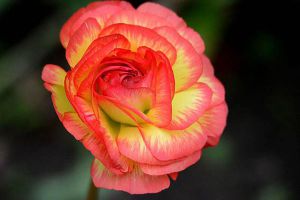
What to do when Ranunculus leaves turn yellow? Cause analysis and solutions
There are four reasons for this in Ranunculus: the first is water yellowing, the second is fertilizer yellowing, the third is drought yellowing, and the fourth is alkaline yellowing. If it is water yellowing, we need to control watering and move it to a shady place; if it is fertilizer yellowing, we need to flush out the excess flower fertilizer with water; if it is drought yellowing, we need to replenish water in time; if it is alkaline yellowing, we need to add some vinegar to it.
-

A Complete Analysis of the Basic Principles of Bonsai Creation
Bonsai differs from poetry and painting: they are living works of art, and this determines the continuity of bonsai creation. The life process of a bonsai is the continuous process of its creation. Once a Chinese painting is completed, it no longer changes. But a bonsai...
-
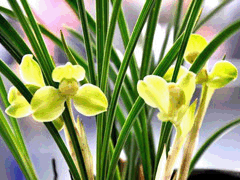
How does the Cymbidium sinense 'Longmei' bloom perform? An analysis of its floral characteristics
Cymbidium sinense 'Longmei' bloom
-
A Brief Analysis of Key Points for Winter Vernalization Care of Cymbidium and Orchids
A Brief Discussion of "Wintering of Cymbidium and Orchids" (Vernalization)
-
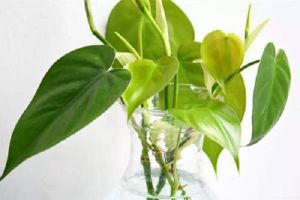
Is it true that pothos absorbs formaldehyde? A full analysis of its effectiveness
Pothos can absorb formaldehyde. It can use formaldehyde for photosynthesis and also has a certain adsorption effect on formaldehyde. However, it cannot be used as the main method for removing formaldehyde, and is generally only used as a supplementary means. The best way to remove formaldehyde is still to open the windows for ventilation.
-
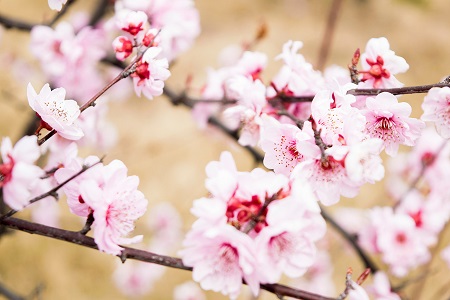
Is the peach blossom toxic? A detailed analysis of the peach blossom's toxicity for you
This plant is not toxic. It can also be used to make tea by steeping it in water; some friends have probably tried it, right? It is not only ornamental, but more importantly, it promotes human health. For example, it helps to invigorate the blood and dissolve stasis. It can also beautify and nourish the complexion. In addition, it can help us lose weight. These benefits are far more important than its ornamental value. However, although it is not toxic, you need to watch out for allergies. Many friends are allergic to its flowers, and some symptoms can be quite severe, so you must be cautious.
-
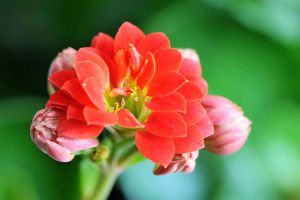
What kind of pot is best for Kalanchoe? A full analysis of pot selection tips
In fact, for Kalanchoe, the pot does more than just affect appearance; it plays a fairly big role throughout the entire growth process. Generally speaking, a pot with good drainage and good aeration is enough, for example, clay pots, purple clay pots, and so on.
-
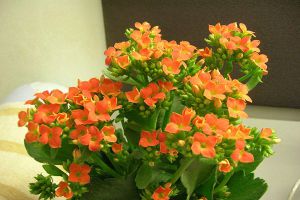
What to Do If Kalanchoe Leaves Are Small? Cause Analysis and Remedies
We can solve this problem from the aspects of temperature, fertilizing and light. This plant grows best in a temperature range of 15 to 25, and liquid fertilizer two to three times a month is also important, and we must also ensure it gets eight to nine hours of light a day. This way, its leaves will become green and large.
-
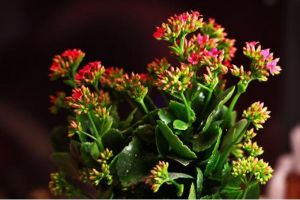
What to Do When a Kalanchoe Has Root Rot? Cause Analysis and Rescue Methods
After it develops root rot, here is what you can do. First, take it out of the pot and cut away the rotted tissue. Next, apply a disinfecting agent to the wounded areas. Then, prune away some useless or dry, yellowing branches and leaves. Finally, do cuttings, and after a few days just care for it normally.
条件筛选