-
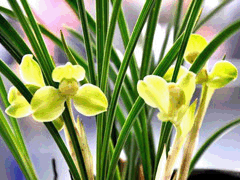
Why does Cymbidium kanran produce new shoots slowly? A brief analysis of the reasons
A brief analysis of why Cymbidium kanran produces new shoots slowly
-
Several phenomena and cause analysis of orchids not blooming
Several phenomena and causes of orchids not blooming
-
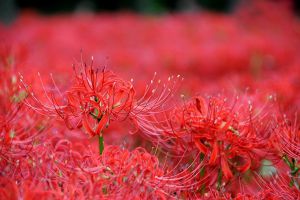
Is the red spider lily poisonous? A comprehensive analysis of the red spider lily's toxicity
At the mention of this plant, many people think of it as gaudy, alluring and highly toxic. While the first two are not wrong, the third is not quite accurate, because it is not all that toxic; it merely has mild toxicity. As long as we do not eat it, we will not be poisoned. So we can keep it as a potted plant in our homes.
-
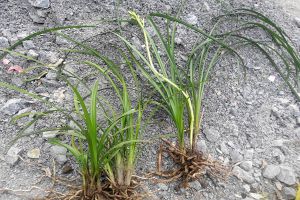
When Does Cymbidium faberi Bloom? A Full Analysis of Its Blooming Period
Cymbidium faberi is a very beautiful flower. Its blooms stay open for a relatively long time, and the flower colors are lovely too. You may not be clear on exactly when it blooms. In fact, it flowers at the turn of spring and summer, over a period of about two months. Let us look at the details below.
-
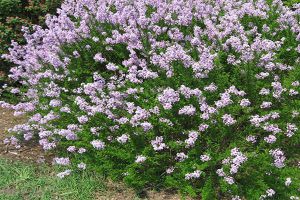
What to Do If Lilac Roots Rot? Cause Analysis and Solutions
Root rot is something most plants will experience, and the causes are quite similar; generally, there are causes such as overwatering, overfertilizing, and improper fertilizing. If it is due to overwatering, move it to a cooler and well-ventilated place. If it is due to overfertilizing, you can rinse it under water, and if it is too severe, consider repotting it. The treatment for improper fertilizing is similar to that for overfertilizing.
-
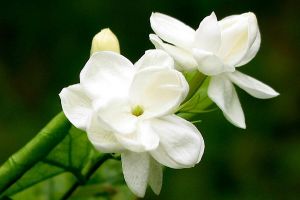
Gardenia always fails to thrive? Analysis of common causes
The reason most plants fail to thrive is related to their environment. Gardenias generally grow in the south, where they prefer acidic soil. The south has more rain and high humidity, so when a gardenia comes to the north, the humidity suddenly drops, and the pH of the potting soil cannot reach between 4 and 6.5, which causes poor growth. In addition, water quality is also an important factor. If tap water is used for watering over the long term, the water's fluoride, chloride and calcium-magnesium compounds are high in content, so naturally the gardenia will not thrive.
-
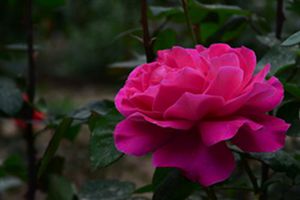
What to Do When Rose Leaves Curl? Cause Analysis and Solutions
If its leaves are curling, it may be infected with powdery mildew. In that case, remove the diseased branches and leaves, place it in a ventilated area, or use a chemical treatment directly. If it is caused by pests and diseases, remove both the insects on the leaves and those in the soil. If it is caused by too much water, dig it out and repot it in a new pot. If it lacks fertilizer, apply some fertilizer to its leaves.
-

What to Do When Tillandsia Leaves Dry Out? Cause Analysis and Solutions
There are three main reasons why Tillandsia leaves dry out. First, the light is too strong; after being exposed to strong sunlight, it easily dries out, so we need to move it to a shady place. Second, the temperature is too low, so we need to raise it above 16°C. Third, there is too little water, so we need to replenish it in time. In addition, if there is too much fertilizer or pest infestation, it may also cause its leaves to dry out, and then we need to address its pot and pest prevention.
-
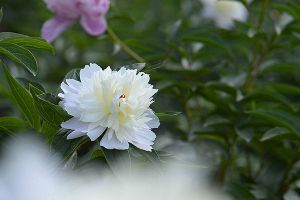
What to Do About Root Rot in Peonies? Cause Analysis and Solutions
Its root rot is mainly caused by soil that is too wet or by pest infestation. If it is the first cause, then we need to let the moisture in the soil evaporate; if it has developed disease because of this, spray it with medication in time. If it is the second cause, we need to drench the roots and use some thiamethoxam or pyrethroid-type products to control the pests.
-

What to Do About Root Rot in Carnations? Cause Analysis and Prevention Methods
If a carnation's roots rot, the beauty of its flowers will be affected. So what should we do? First, determine whether it is a disease problem or a soil problem. If it is the former, we need to cut off the rotten roots, then spray medicine for treatment, and afterward strengthen management by increasing the application of P fertilizer and K fertilizer. If it is the latter, we also need to first cut off the rotten roots, and then replace the soil with a flower soil that has better aeration.
条件筛选