-

An Analysis of the Relationship Between Home Potted Plants, Bonsai and Feng Shui
In feng shui it is often said that where the land is good, the seedlings flourish, and the same holds true inside a home. Friends who do not understand feng shui can observe the feng shui field of their own home through plants. If a plant placed in a certain spot in your home cannot survive, it means that spot lacks sufficient life energy, and the owner can then make adjustments according to the actual situation.
-

Feng Shui Interpretation of Home Bonsai: A Complete Analysis of Placement and Taboos
Regarding feng shui trees, there are many folk sayings, such as: peach and plum trees do not enter the home, banyan trees do not accommodate people, and cypress, pagoda tree, poplar, mulberry, and willow are all yin trees that cannot be planted at home, and so on. Plants all possess spiritual energy, and plants contain the five elements. Between plants and among all things, there exist fields, and under the effect of these fields
-
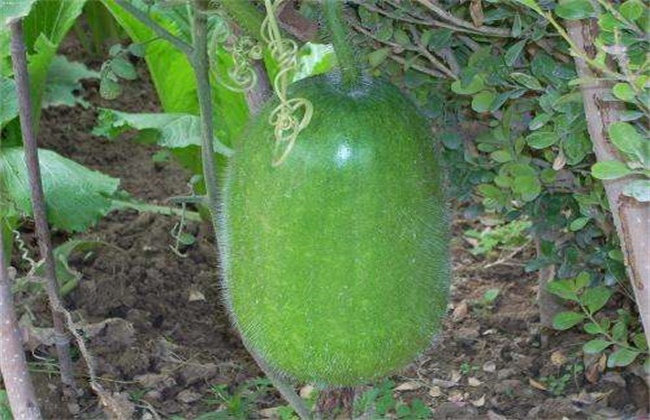
How to fertilize and water winter melon? A full analysis of fertilizer and water management techniques
Fertilizer and water management techniques for winter melon
-
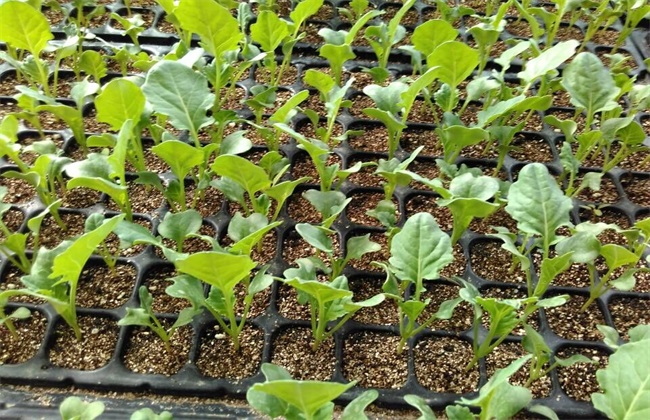
What conditions are needed for growing broccoli? A full analysis of environmental requirements
Growing conditions for broccoli
-
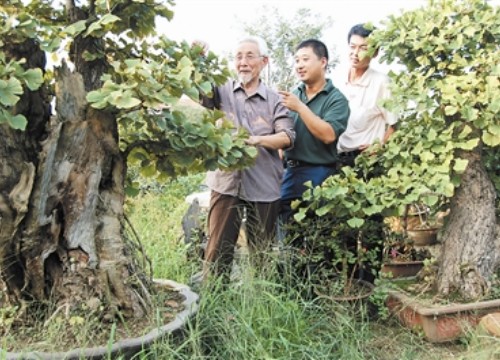
How to shape a ginkgo bonsai? A full analysis of practical techniques
Choose a suitable clay pot, fill it with coarse and fine soil, and plant the stump in the pot between February and March. During the growing period, bind the branches into curved or straight, slanting or upright, or upward or downward shapes, and control the direction and orientation of their extension well. The preliminary form is the foundation for making a bonsai. Working the preliminary form
-
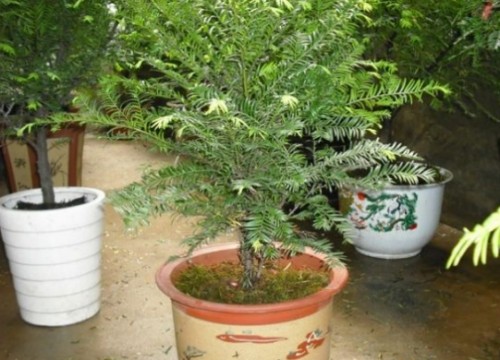
How to shape a Chinese pistache bonsai? A full analysis of practical techniques
The wood of the Chinese pistache is hard in texture and fine in grain, and can be used for construction, farm tools, furniture and carving. Its crown is tall and rounded, and its leaves are slender and graceful; after autumn the leaves turn bright red and the fruits are blue and red intermixed, so it can also serve as an ornamental greening tree for cities. Its young leaves can be made into tea, and its bark and stems can be used as medicine
-
How to prune fruit tree bonsai? A full analysis of the technical key points
Fruit trees grown in pots put on a relatively large amount of growth each year, and if left to grow unchecked, their fruiting is also hard to control. To maintain a perfect, compact tree shape and effectively control growth and fruiting, pruning must be carried out several times a year. By pruning period, it can be divided into dormant-season pruning (winter pruning) and growing-season pruning (summer pruning)
-
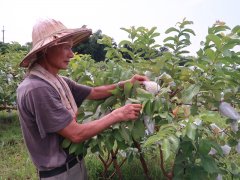
How to Pick Sweetheart Guava and Red-Fleshed Guava? An Analysis of the Flavor Characteristics of Red-Fleshed Guava
As the seasons change, guava in the Yilan region has also begun to enter its peak production period. Guava cultivation and management techniques are relatively simple. Unlike the mainstream varieties commonly found on the market, which are mostly known for their crisp texture, the guavas abundantly produced locally in Yilan instead feature soft, springy flesh as their main selling point.
-
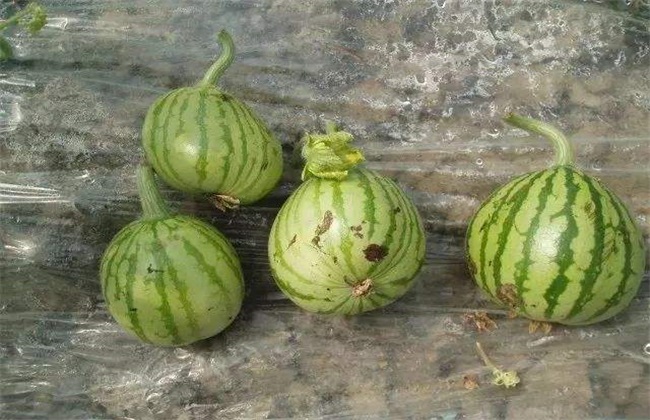
What to Do About Deformed Watermelons? Cause Analysis and Control Methods
What to Do About Deformed Watermelons
-
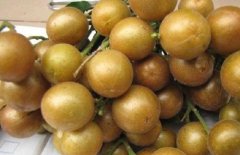
What is the per-mu yield of the new black-gold yellow peel variety? Planting prospects and profit analysis
Wampee, it is not only a fruit, but can also be called a medicinal herb. The most common variety of this fruit is the chicken-heart sweet wampee. Today I will introduce a new variety, the black wampee, which is also a seedless wampee. Do you know it? On the market
条件筛选