-
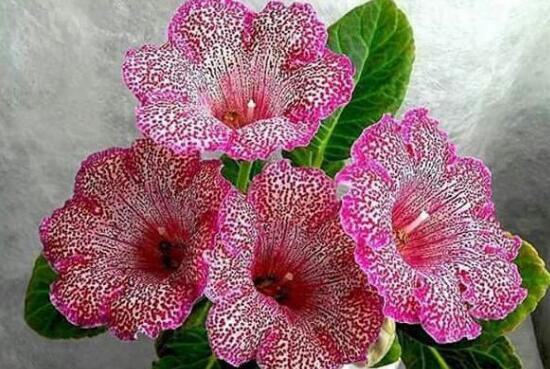
What is the fertilizing method for gloxinia? Foliar feeding is not allowed
Gardeners are probably familiar with gloxinia. It is a flower with a wide range of varieties and rich colors, and it looks especially charming against its large, emerald-green leaves. However, if you want gloxinia to bloom beautifully, fertilizing is a step that cannot be ignored. So how do you fertilize gloxinia?
-
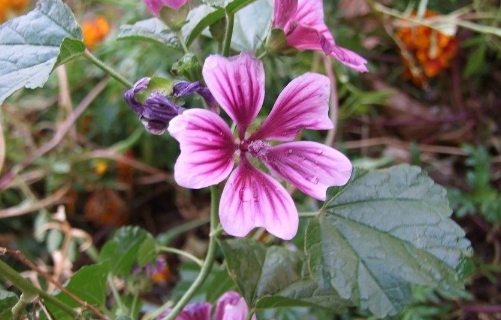
Mallow cultivation methods and care tips
Soil Mallow does not have high requirements for soil. We can use slightly acidic leaf mold or nutrient soil, or sandy soil is also fine. After transplanting mallow into a flower pot, we should first place it in a position that can receive sunlight and let it bask for half a day. This will help the plant bloom later.
-
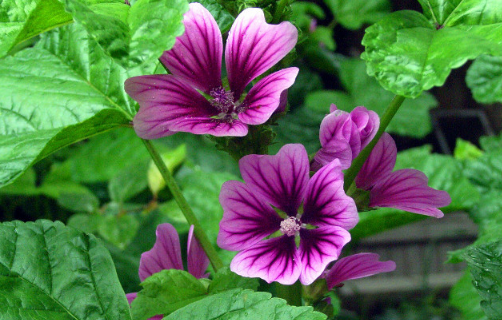
What should be noted when growing hollyhock mallow?
Pruning: During the growth of hollyhock mallow, pruning needs to be carried out regularly. Cut off dead branches, diseased branches, weak branches, crowded branches and spent flowers. This helps ventilation and light penetration, and encourages the plant to branch more and bloom.
-
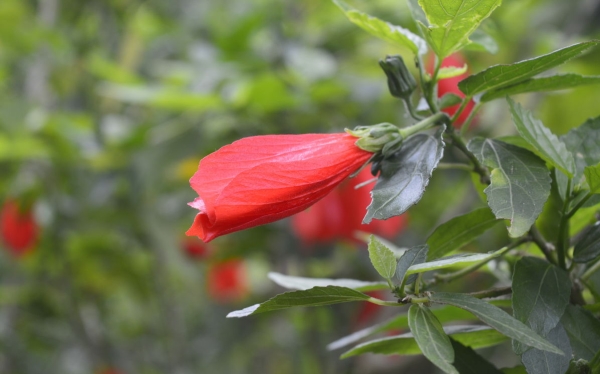
A Detailed Guide to Growing and Caring for Wax Mallow
Soil: Wax mallow is suited to fertile, well-draining sandy soil, and it is best planted in soil rich in humus. Light: Wax mallow loves warm, humid environments and is not cold-tolerant, so place it in a spot with ample light. Only then will the plant grow more densely; if light is insufficient
-
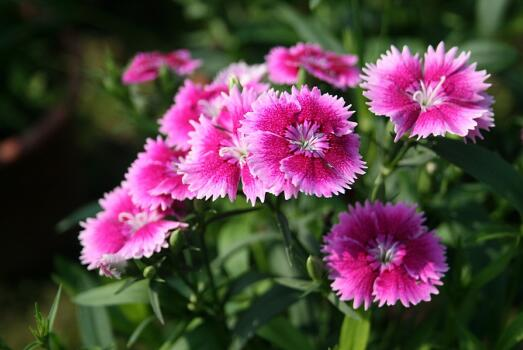
Cape Mallow (Anisodontea capensis) Growing Methods and Care Tips
I. Light Conditions The cape mallow is a sun-loving plant that thrives in bright light, and maintaining at least 6 hours of light per day is most suitable. Sufficient light promotes the growth of the cape mallow, making it more robust, while an overly shady environment will reduce flowering and affect its ornamental value. If placed indoors
-

-
-

A bowl of local red bean soup becomes the power to transform fallow land
A bowl of local red bean soup, the power to transform fallow land
-

-
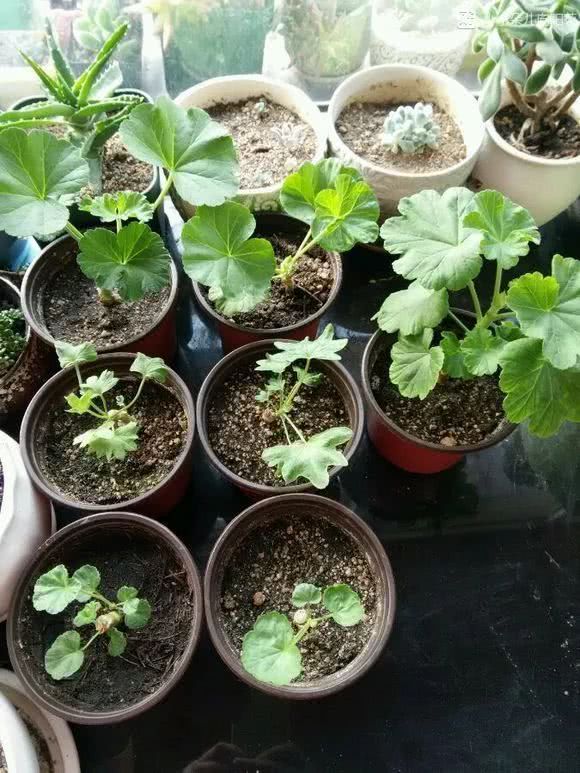
How deep should a cutting be inserted into the soil? Too deep and it rots easily, too shallow and it topples easily
Don't insert the cutting too deep just for the sake of stability. Inserting it too deep makes it prone to rot; even if it roots, a long stretch of stem covered in fine roots will make transplanting difficult, and may even restrict your choice of pot size later on. Because if the long roots are not trimmed...
条件筛选