What is the fertilizing method for gloxinia? Foliar feeding is not allowed
Gardeners are probably familiar with gloxinia. It is a flower with a wide range of varieties and rich colors, and it looks especially charming against its large, emerald-green leaves. However, if you want gloxinia to bloom beautifully, fertilizing is a step that cannot be ignored. So how do you fertilize gloxinia? Below is the fertilizing method for gloxinia compiled by the editor. Let's take a look!
1. How to fertilize gloxinia, fertilizers/methods
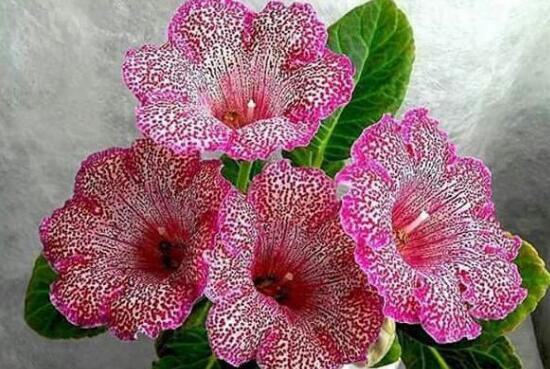
“For a crop to bloom, fertilizer rules the room,” as the saying goes, and this proverb reveals the secret to growing gloxinia well——fertilizing. But it is easier said than done. When actually fertilizing, gardeners easily make mistakes, either applying too little or too much. So for how to fertilize gloxinia, first choose the right fertilizer, then master some techniques for applying it. Next, the editor will introduce this in detail.
2. Fertilizing methods for gloxinia
(1) What fertilizer to use for gloxinia
According to the experience of expert gardeners, the fertilizer given to gloxinia is constantly changing: just after sprouting, apply some relatively diluted organic fertilizer, mainly potassium, phosphorus, and nitrogen; once leaves grow, apply a little decomposed organic liquid fertilizer; then during the flower bud stage, increase the application of fertilizers mainly based on phosphorus. For more specifics, let's continue reading below.
(2) Fertilization management for gloxinia
1. Seedling stage
A newly planted gloxinia does not need fertilizer. After it sprouts, it can be fertilized once every 10 days, with fertilizer mainly based on potassium, phosphorus, and nitrogen. For the specific fertilizer, at this time you can occasionally water once with Hua Duoduo at 1500 times dilution.
2. Repotting soil
When gloxinia grows flower buds, you should repot it with fresh soil. Use an 18 cm pot, and for the soil use: a growing medium mixed from 3 parts leaf mold, 1 part river sand, 1 part perlite, and a small amount of finely crushed, sun-dried, decomposed poultry manure.
3. How to fertilize gloxinia when leaves are growing
From the early leaf-growing stage of gloxinia until just before its flowering period, you should fertilize once a week. The fertilizer should mainly be diluted, decomposed organic liquid fertilizer. Specifically, you can use monopotassium phosphate at 1000-1500 times dilution or Hua Duoduo No. 15.
(3) When to fertilize gloxinia
How do you fertilize gloxinia? The fertilizer amount and fertilizing interval for gloxinia have already been introduced above. So when should gloxinia be fertilized? For this, you should use the soil as a reference. If the soil is relatively moist, fertilizing should be delayed by two days, and only when the soil is on the drier side should you fertilize.
(4) Can gloxinia be fertilized on the leaves? No
When fertilizing gloxinia, many people think that after knowing the fertilizer, choosing the right time to fertilize is enough, but this is clearly the wrong approach. When fertilizing gloxinia, be sure not to splash it onto the leaves. After each fertilization, spray clear water to keep the leaves clean. In addition, gloxinia leaves should not get wet, so after cleaning the leaves, immediately wipe the leaf surface dry to prevent rot.
Overall, as a common flower, gloxinia is not difficult to grow, but if you want to grow it well, you must pay attention to fertilizing, and it is best to strictly follow the requirements above. Only in this way can your gloxinia produce beautiful flowers. That is all the editor has to introduce about fertilizing methods for gloxinia, and I hope it can help everyone.
How to grow gloxinia, growing methods and precautions for gloxinia / likes semi-shade
Gloxinia, a beautiful flower with lush green leaves and brilliantly colorful blooms, is highly ornamental when grown at home. In daily life, because gloxinia has strong benefits, many people want to grow it. So how do you grow gloxinia? Below are the growing methods and precautions for gloxinia carefully compiled by the editor. They are very detailed, and friends who want to grow it should definitely take a look~
1. How to grow gloxinia, understand its habits
Gloxinia likes a warm, humid, semi-shaded environment. It is not cold-tolerant and avoids direct sunlight. When growing it indoors, it should be placed in a semi-shaded spot, watered appropriately, and given good warmth protection in winter. As for the growing medium, it is best to use loose, fertile, slightly acidic soil rich in humus. So how do you grow gloxinia? Very simple: just satisfy its growth habits.
2. Growing methods and precautions for gloxinia
1. Soil
For how to grow gloxinia, first you should reselect the potting soil. Nowadays, gardeners' potted plants are basically bought online, but that soil is very cheap. Normal care can ensure the plant grows, but if you want gloxinia to grow well, it is best to reselect the soil.
Soil choice: According to the growth habits of gloxinia, it likes loose, fertile, sandy soil rich in humus. For this, the editor recommends using a soil mixed from 1 part perlite, 1 part river sand, 3 parts leaf mold, and a small amount of decomposed, sun-dried, finely crushed poultry manure.
2. Light
Plant growth cannot be separated from light, so in the growing methods for gloxinia, light is an indispensable part. However, gloxinia likes semi-shade and avoids strong light, so indoors it is best to place it in a semi-shaded spot for care.
Precautions: In summer, gardeners must place the pot in a ventilated place with scattered light for care; in addition, during the flowering period of gloxinia, the shading time should be appropriately extended.
3. Temperature
For how to grow gloxinia, adjusting the temperature in good time is also very important. It is understood that the most suitable growing temperature for gloxinia is 10-25°C. You should maintain this temperature, which can make the plant's leaves grow luxuriant and emerald green, and the flowers large and vivid.
4. Watering
Water is the source of life, so in the growing methods and precautions for gloxinia, watering is a very important part. Gloxinia likes a humid environment. When the air is dry, spray water around the plant frequently. In summer when temperatures are high, water 1-2 times a day.
Precautions: Gloxinia leaves have fine hairs. Once they get water droplets on them, they rot very easily. So when watering, do not spray water onto the plant's flowers or leaves. It is best to use the immersion method for watering. In addition, do not water gloxinia too much, otherwise it will cause symptoms such as yellowing leaves and root rot.
5. Fertilizing
After watering, let's talk about fertilizing, which is also indispensable in the growth process of gloxinia. Gloxinia likes fertilizer. During its growing period, it is best to apply diluted cake fertilizer water once about every 10 days. From leaf expansion to before flowering, gloxinia has a high fertilizer demand and should be fertilized once a week, preferably with decomposed diluted organic liquid fertilizer.
Precautions: When fertilizing gloxinia, be sure not to splash it onto the leaves. After each fertilization, spray clear water to keep the leaves clean. However, you should also note that gloxinia leaves should not get wet, so after cleaning the leaves, immediately wipe the leaf surface dry to prevent rot.
6. Pests and diseases
In the process of growing gloxinia, due to various reasons, the plant will inevitably suffer from pests and diseases. Among them, damping-off of young seedlings is likely to occur at the seedling stage, and during the growing period inchworms often bite and eat the tender buds. Their appearance will affect the growth of gloxinia. So once discovered, immediately spray pesticide for control. For specifics, you can refer to pest and disease control for gloxinia.
Why do gloxinia leaves turn yellow? What to do if yellow spots appear on the leaves
Gloxinia is also called luoxuemi, and it originates from Brazil. It likes warmth and humidity, and it loves fertilizer. The flowers are large and brightly colored, and the flowering period is also long. A single gloxinia can bloom dozens of flowers, with a flowering period from April to November, lasting several months. So why do gloxinia leaves turn yellow? What should be done if yellow spots appear on gloxinia leaves? Below, the editor of wed114 wedding website brings you detailed content.
Why do gloxinia leaves turn yellow
Overwatering
Gloxinia care requires high air humidity, but that does not mean watering more. Uneven watering or overwatering can both cause leaves to turn yellow and rot.
Too little light
Gloxinia prefers a semi-shaded environment, but not complete shading. If it cannot receive sunlight for a long time, the leaves will also change color.
Improper fertilization
When fertilizing, if fertilizer accidentally gets on the leaves, it can also cause the leaves to turn yellow and rot.
What to do if yellow spots appear on gloxinia leaves
Water appropriately
Be careful to water gloxinia less, and do not water unless the soil is dry.
In winter, gloxinia enters dormancy, and watering can be stopped.
Do not water the leaves. Gloxinia leaf surfaces have fine hairs, and watering will leave water marks and cause rot.
Absorb sufficient scattered light
In daily care, place gloxinia where it can receive scattered light, but avoid direct sunlight. If it is winter and the seedling stage, it should receive full sunlight.
Clean the leaves after fertilizing
After each fertilization, rinse the leaves with clear water, then immediately wipe off the clear water to avoid causing leaf rot.