-
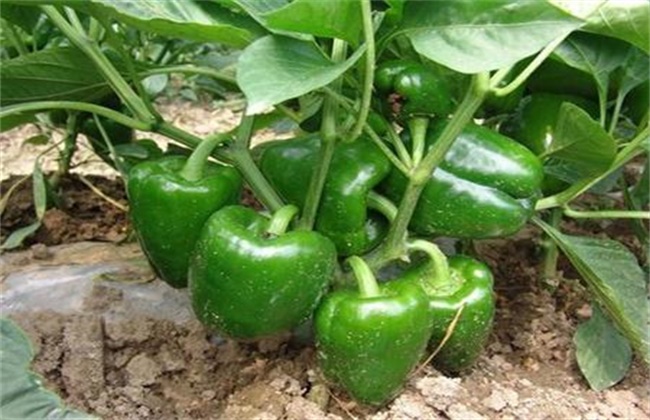
How should sweet peppers be managed after entering the fruit-setting stage?
How to manage sweet peppers during the fruit-setting stage
-
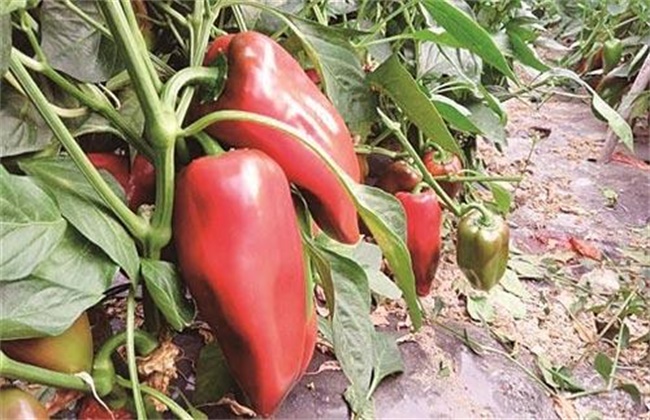
How should overwintering sweet peppers be managed to achieve high yields?
How to promote high yields in overwintering sweet peppers
-
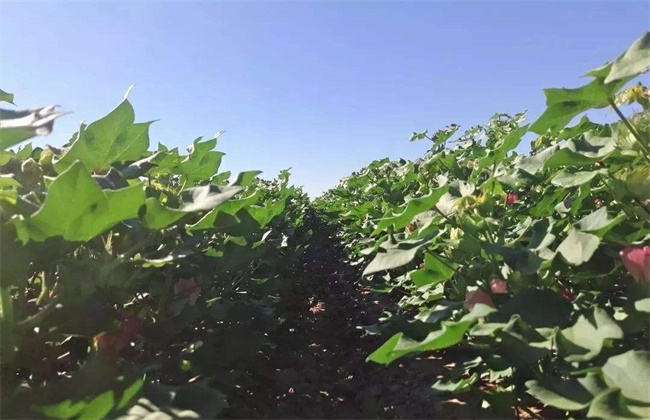
How is cotton cultivation managed? High-yield cotton cultivation techniques
How is cotton cultivation managed? High-yield cotton cultivation techniques
-

How should rice seedling beds be managed to cultivate strong seedlings?
I. Water management in seedling beds: For dry-raised seedlings, generally no supplemental water is needed during the seedling stage. Adhere to dry raising and dry management to improve the drought tolerance of the seedlings. At the same time, pay attention to watering well three times: water thoroughly with "bottom moisture water" before sowing, water well with "film-removal water" when removing the film, and water well with "leaf-rolling water" during drought. At the 1-2 leaf stage, control water appropriately to promote downward growth of seminal roots; at the 2-3 leaf stage, pay attention to supplemental water to prevent seedling death; after the 3-4 leaf stage, strictly control water and use dry raising to cultivate physiologically strong seedlings. To prevent excessive rainwater from making dry raising and dry management impossible, small arched sheds or greenhouses can be used to strictly control water for dry raising.
-
How to treat rice damaged by metsulfuron-methyl herbicide injury?
Remedial measures: After transplanting (or throwing) seedlings in fields where herbicides have been applied, field inspections should be strengthened. When herbicide injury occurs, measures must be taken immediately to reduce losses. 1. Re-transplant (re-throw) seedlings: If diagnosis confirms severe seedling injury, with more than 80% of seedlings yellowed and some withered, seedlings must be gathered for immediate re-transplanting (re-throwing). Method: First drain the field water, lightly harrow once, then drain the muddy water, then level the field and transplant (throw) seedlings. In recent years, sowing and transplanting (throwing) seasons have been advanced by 7-15 days compared to traditional seasons. From discovery of injury to re-transplanting is generally 5-10 days, so the seasonal conflict is not prominent. 2. Strengthen fertilizer and water management and intertillage: For fields where injury is found, first drain the field water that has been treated with herbicide and irrigate with fresh flowing water. Next, perform intertillage to break up the original herbicide liquid layer and turn the herbicide adsorbed by the surface soil into deeper soil, reducing the effect of the herbicide on rice roots. 2-3 days after intertillage, apply 2-4 kg of imported compound fertilizer per mu to promote root growth and leaf development and accelerate growth. 3. Apply rooting agent: After draining, intertilling and fertilizing, it is best to apply 200 kg per mu of rooting agent ABT at a concentration of 200 mg/kg, which has a good effect on promoting roots. The number of roots can increase by 25%-40%, growth speed accelerates, and the sufficient seedling stage is delayed by only 5-7 days.
-
How should current rice production be managed? Technical guidance is here
At present, China's early rice production has entered the late growth stage. In southern Guangdong and Guangxi, the vast majority of early rice has entered the grain-filling stage, and a small portion has entered the maturity stage; in central Guangdong and Guangxi, heading has begun; in northern Guangdong and Guangxi, it has entered the initial heading stage to heading stage. Early rice in the middle and lower reaches of the Yangtze River has entered the milk-ripe stage and is expected to begin harvesting around July 10. Single-season rice in Northeast China is in the tillering peak stage, young panicle differentiation stage and booting stage from south to north; mid-season rice in the winter paddy field areas of Southwest China is in the booting stage, the river valley and hilly areas have begun young panicle differentiation, and the Chengdu Plain area is in the field-drying stage at the maximum tiller stage
-

How should red okra be managed during cultivation? A detailed explanation of the technical key points
How should red okra be managed during cultivation
-
How can loofah be managed in deep winter to increase yield?
In winter, low temperatures causing low yields in various vegetables is what makes vegetable farmers feel most powerless! In Handong Village, Luocheng Subdistrict, Shouguang City, the author visited Master Zhu, an experienced loofah grower in the village. Thanks to proper management, although the loofah yield in Master Zhu's greenhouse was also affected by the low temperatures, it was...
-
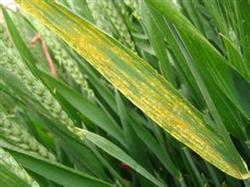
Wheat stripe rust can be managed by a zone-based strategy of treating key spots to protect the wider area
Wheat stripe rust is a serious biological disaster that has long affected the safe production of wheat in China. In years when the disease is common, wheat yields are reduced by 10%-20%, and in years of severe epidemic, losses can reach more than 60%, or even leave wheat with almost no harvest. Based on a comprehensive analysis of factors such as the amount of inoculum, weather conditions and variety distribution, it is predicted that in 2011...
-
What are the effective methods to prevent mung beans from being damaged by insects?
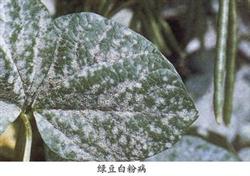
Symptoms: Mung bean powdery mildew affects leaves, stems and pods. When leaves are affected, scattered white powdery mildew spots appear on the surface; when the climate is suitable, the diseased leaves are covered with white powdery material, and in severe cases the leaves turn yellow and drop early. When young pods are affected, they become deformed, with white powdery material on the surface, and later black...
条件筛选