How should sweet peppers be managed after entering the fruit-setting stage?
Sweet peppers are now very common in our country, and their planting area is also very large. When planting sweet peppers, their management work is very important. When managing sweet peppers, we should appropriately adjust our management measures according to the growth stage of the sweet peppers. Especially during the fruit-setting stage of sweet peppers, poor management will have a very large impact on their yield. So how should they be managed during the fruit-setting stage? Below, the editor will briefly introduce this for everyone. Let's take a look together!
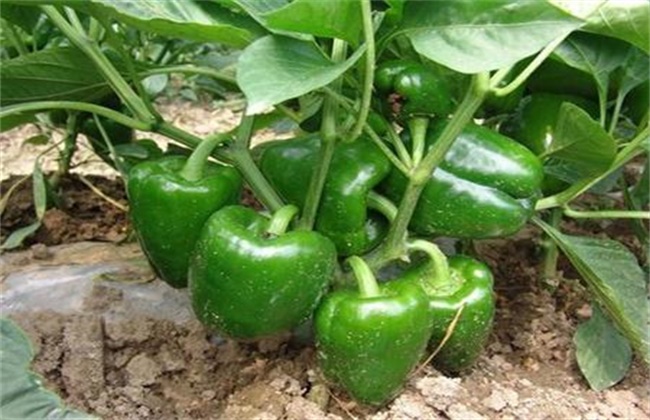
1. Proper ventilation
When planting sweet peppers, proper ventilation and maintaining suitable temperature and humidity are key to ensuring the fruit-setting rate of sweet peppers. After the sweet pepper seedlings have recovered from transplanting, on the premise of ensuring temperature, ventilate as much as possible to avoid excessively high humidity in the greenhouse. In the early stage, the temperature should be maintained at around 30°C, and then as time goes on, appropriately lower the greenhouse temperature. By the time the sweet peppers reach the flowering and fruiting stage, the temperature should gradually be reduced to around 22°C. A suitable temperature and humidity environment can ensure that the sweet pepper plants are short and sturdy with short internodes, and the fruit-setting rate can also be improved as a result.
2. Water and fertilizer management
The leaves of sweet peppers are relatively small, so their water evaporation is not very large. Therefore, when watering after the sweet pepper seedlings are planted, pay attention to controlling the amount of water applied. Then, after the seedlings have recovered from transplanting and before harvest, try not to water. Otherwise, it is easy to cause flower and fruit drop in sweet peppers. Then, after the first crop of sweet pepper fruits is harvested, strengthen water and fertilizer management, appropriately increase organic fertilizer, and increase the application amount of phosphorus and potassium fertilizer. Then an appropriate amount of Zhuangdiling can be sprayed on the leaves to reduce flower and fruit drop in the plants, promote fruit expansion, and improve the yield and quality of sweet peppers.
3. Improving light
Light is also very important for the growth of sweet peppers. During the fruit-setting stage of sweet peppers, we should pay attention to improving light for the sweet peppers. Appropriately increase the temperature. If encountering cloudy and snowy weather, appropriately add supplemental lighting in the greenhouse, and a reflective film can also be hung on the back wall to increase the illuminated area in the greenhouse. Then also pay attention to regularly cleaning the greenhouse film to improve its light transmittance, strengthen management, and do a good job in pruning and removing side shoots. Remove excess branches and leaves from the plants, especially the branches and leaves in the inner canopy, so as to improve the light exposure of leaves and flowers, avoid excessive nutrient consumption, and increase the fruit-setting rate.
4. Reducing humidity
During the flowering stage of sweet peppers, if successful pollination is desired, the humidity requirements are very high. Therefore, if there is continuous low-temperature cloudy weather, the humidity in the greenhouse can easily become too high, the development of sweet pepper pollen is hindered, its activity is insufficient, and normal pollination cannot occur. So in this kind of weather, according to weather changes, ventilate appropriately to lower the temperature and reduce humidity, and lower the humidity in the greenhouse. Then an appropriate number of bees can be released in the greenhouse, which can effectively improve the fruit-setting rate of sweet peppers.
The above is a brief introduction to how to manage sweet peppers during the fruit-setting stage. That is all for today's introduction. This article is for reference only, and we hope it can help everyone!