How should overwintering sweet peppers be managed to achieve high yields?
In the overwintering management of sweet peppers, problems such as few fruit set, low yield, poor quality and severe diseases are often encountered. To avoid these problems, several points need to be done well. Let's take a look together below.
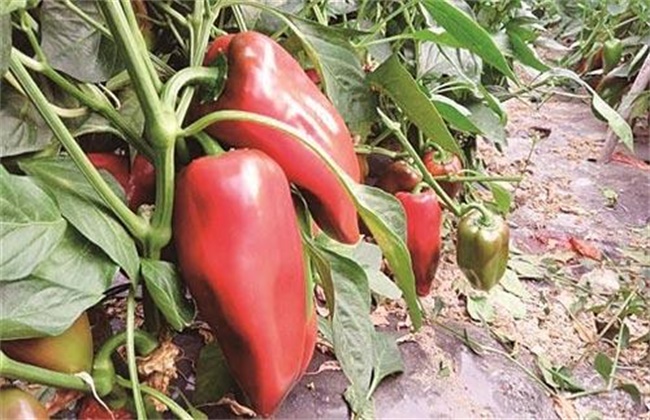
1. Pruning
When sweet pepper plants reach 40 cm in height, they should be trellised in time. Each plant can be divided into two main branches, with other side branches removed, so that nutrients are concentrated on the growth and development of the main branches, laying a solid foundation for high yield. The first pepper (door pepper) should be removed in time to promote normal plant growth. In addition, old and diseased leaves on the lower part should be removed early, which not only reduces unnecessary nutrient consumption, but also increases ventilation and light penetration, promoting robust plant growth.
2. Fertilizer and water
Before planting sweet peppers, sufficient base fertilizer should be applied. The base fertilizer is best as decomposed farmyard manure, generally 1000-1500 kg per mu. When the base fertilizer is sufficient, do not apply topdressing before the sweet peppers set their first pepper (door pepper). When the second pepper grows to the size of a walnut, promptly apply animal manure water at 300-400 kg/mu as a flush application, plus about 10 kg of potassium sulfate compound fertilizer, to promote rapid fruit expansion. After that, fertilize once after each fruit harvest, so that the plants bear more fruits. In deep winter, a full-element water-soluble fertilizer can be applied as topdressing.
3. Light
When low winter temperatures permit, uncover covers early and cover them late to increase light duration. In addition, promptly clean dust, firewood, grass and other debris from the greenhouse film to increase light intensity and raise the temperature inside the greenhouse, so that the plants grow in a suitable temperature environment. At the same time, hang reflective film on the back wall to increase light intensity and raise the greenhouse temperature. Prune and remove shoots in time, and promptly remove old, weak, diseased and damaged leaves, which has a good effect on enhancing light and increasing permeability.
4. Pest and disease control
The insect pests of overwintering sweet peppers in winter include aphids, whiteflies, thrips, etc. Control should be targeted: for whiteflies, use Mongwangte, Puchiling, etc.; for aphids, use pirimicarb, etc.; for thrips, use Jijing. The main diseases of sweet peppers in winter include viral disease, gray mold, phytophthora blight, anthracnose, leaf mold, root rot, damping-off and many others. Pay attention to regulating the temperature and humidity in the greenhouse to reduce the incidence of disease. For various diseases, apply the right remedy to quickly bring the disease under control so as to prevent further spread.
The above is an introduction to how to promote high yields in overwintering sweet peppers. We hope it can help you. To learn more related knowledge, please keep following us.