-

Which plants are good at absorbing formaldehyde? Choose these when moving to a new home at the end of the year
It is the end of the year again, and quite a few people will move into a new home at the end of the year. If the house has just been renovated, the formaldehyde level is relatively high, and staying in it for a long time can affect your health. So which plants are better at absorbing formaldehyde? 1. Peace lily (Spathiphyllum)
-
Shell ginger is non-toxic and can suppress cancer, and also has antidepressant, analgesic, antibacterial, sweat-absorbing and skin-whitening effects
The next anti-cancer rising star, shell ginger! Non-toxic yet able to inhibit cancer cells, antidepressant and analgesic, antibacterial and sweat-absorbing, and it can also whiten the skin!
-
-
-
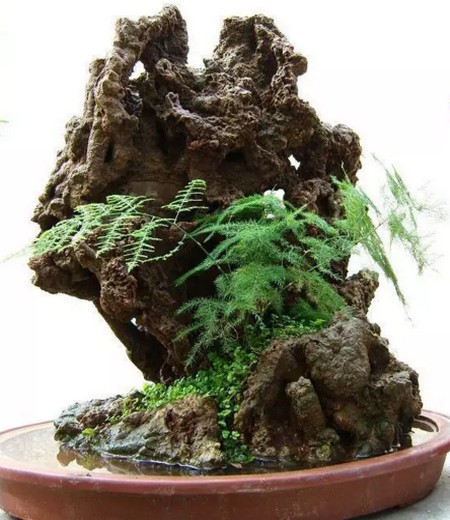
Introduction to Plants for Water-Absorbing Stone (Water-Uptake Stone) Bonsai: Understanding Plant Habits
Water-absorbing stone has strong water-uptake capability; after the pot is filled with water, it can absorb water to the top in an instant. Wild grass and moss can be planted on the stone, lush and verdant, making it an excellent stone for creating bonsai. Sand-accumulated stone is porous and brittle, but its water absorbency is very strong; limestone has slightly higher hardness, and its structure is denser than sand-accumulated stone. Water-absorbing stone
-
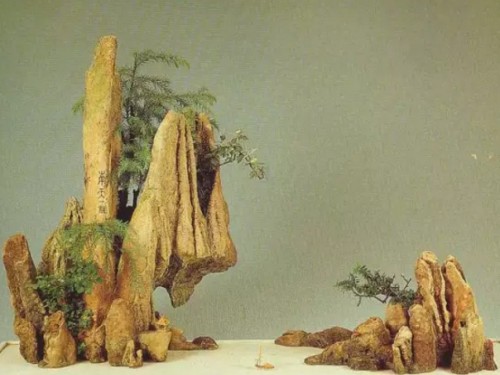
A Complete Guide to the Techniques of Making Water-absorbing Stone Bonsai
What is water-absorbing stone? Water-absorbing stone is also called absorbent stone (a natural air purifier). It gets this name because once water is stored in the basin, it can be drawn up to the top in an instant. Wild grasses and mosses can be planted on the stone, lush and verdant, making it an excellent material for bonsai. Probably only gardening experts know what water-absorbing stone is.
-
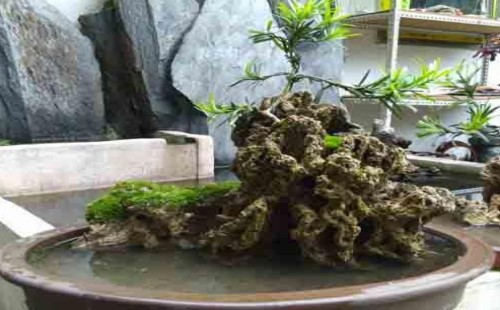
What are the placement techniques for water-absorbing stone rockery bonsai?
Water-absorbing stone is not only loose in texture and easy to work with, but also has extremely strong water absorption, and over time it can also grow moss. In addition, we can plant bonsai trees or other plants on it to make water-absorbing stone rockery bonsai, which has extremely high ornamental value. Therefore
-
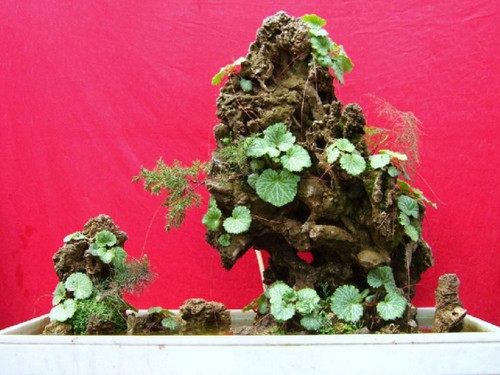
What are the care methods for a water-absorbing stone bonsai?
No home is elegant without stone. Water-absorbing stone has good water-absorbing properties and can grow all kinds of small trees, flowers, grass, green moss and other vegetation. Its shape is beautiful and unique with high ornamental value. It can be placed in a living room or office, and it is also a fine gift for relatives and friends. The material of water-absorbing stone is taken from the natural environment and formed through special geological changes.
-
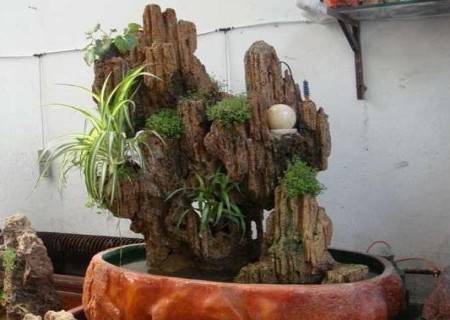
What are the considerations for placing a water-absorbing stone bonsai?
Water-absorbing stone is a kind of stone with a loose texture but extremely strong water absorption capacity. It can not only grow moss, but is also very easy to process, making it the main material for water-absorbing stone bonsai. A finished water-absorbing stone bonsai is not only elegant in appearance, but can also be used to plant flowers, grasses, and plants on this kind of stone.
-
Monstera deliciosa care methods and its air-purifying, formaldehyde-absorbing benefits
Use Klasmann 5-40mm grade imported peat that is loose, well-draining and well-aerated. Break up the peat, add water and mix well (standard for adding water: after mixing, squeeze a handful of peat tightly and water should seep out between your fingers), then plant in pots. For potted Monstera deliciosa, a mix of equal parts leaf mold, garden soil and river sand is usually used as the growing medium.
条件筛选