Recommended Formaldehyde-Absorbing Plants and Practical Methods for Indoor Air Purification
Formaldehyde absorption refers to the process by which plants take in formaldehyde from the air through leaf stomata and surface adsorption and gradually break it down and transform it. The roots of some plants can also rely on symbiotic microorganisms to purify the air together, which is why they are often used as an auxiliary purification method for newly renovated homes.
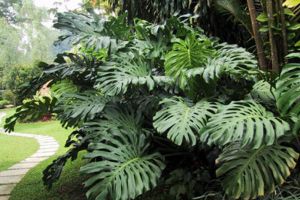
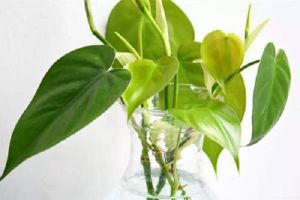
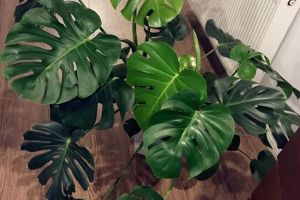
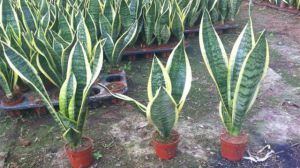
Common formaldehyde-absorbing plants include pothos, Swiss cheese plant, spider plant, snake plant, English ivy, aloe, and peace lily. Most of these plants have large leaves or highly active stomata, tolerate shade well, and have low requirements for light, water, and fertilizer, making them very suitable for placement in indoor spaces such as living rooms, studies, and bedrooms.
In practice, formaldehyde-absorbing plants not only adsorb some harmful gases but also release oxygen and regulate air humidity, offering both ornamental value and relief from visual fatigue. In newly renovated homes, several pots can be placed in multiple locations, and combined with frequent window ventilation, the purification effect will be more noticeable.
It should be noted that plants have a limited ability to absorb formaldehyde and can only play an auxiliary role; they cannot completely replace ventilation and professional purification measures. During routine care, maintaining suitable indirect light, avoiding overwatering that causes root rot, and regularly wiping dust off the leaves will help the plants maintain a better purifying state.
Related Reading