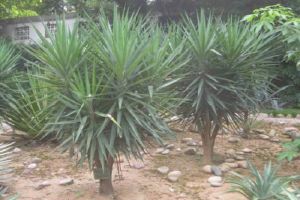
Recommended Radiation-Absorbing Plants, Great for Home and Office
Radiation protection is a claim often mentioned in gardening circles, mainly referring to placing some green plants next to computers, TVs and other electrical appliances in the hope of reducing the effects of electromagnetic radiation. Cacti, aloe vera, spider plants and similar plants are therefore called radiation-absorbing plants, and they are popular with many office workers and home enthusiasts.
Common radiation-absorbing plants are mainly succulents and foliage plants. Cacti and ball cacti are tough and compact, making them very suitable for placing on a computer desk; pothos and spider plants have naturally drooping leaves, which can both decorate a space and help trap some dust; aloe vera has thick leaves and is both ornamental and practical; snake plants are shade-tolerant and easy to grow, and are also a common indoor choice.
Most of these plants are easy to care for and do not require much effort to manage. Succulents such as cacti and aloe like plenty of sunlight and should be watered sparingly, only once the soil has dried out completely; pothos and spider plants prefer a warm, humid environment and should not be exposed to strong direct sunlight, growing best in diffused light. Pay attention to ventilation and light where they are placed, and wipe dust off the leaves occasionally, and the plants will look better.
It should be noted that plants have a rather limited ability to block electromagnetic radiation; their greater role is purifying the air, beautifying the environment and easing visual fatigue. To truly reduce the effects of radiation, you still need to manage your computer use sensibly and get up and move around more often. Treating radiation-absorbing plants as a green accent in life is the right mindset for growing them.
Related Reading