-
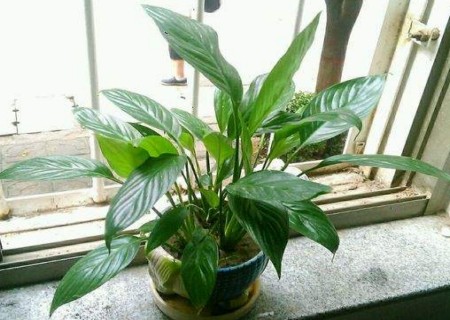
How to grow a Peace Lily (Spathiphyllum) potted plant? Care methods and precautions
The Peace Lily's flower stems are upright and elegant, fresh and pleasing to the eye, making it one of the preferred choices for potted plants. The Peace Lily generally blooms from May to August, but with careful care, it may also be kept blooming all year round. Placed as a potted plant to accent the living room or study,
-

How to make a countryside path bonsai? Detailed tutorial shared
The countryside path bonsai is still made with the most ordinary green plants, and with the addition of a house and a rooster, it looks just like a prosperous rural scene. Materials: garden pine, nerve plant (Fittonia), moss. Making: First spread a layer of ceramic stones on the bottom of the pot, then add soil, and leave the shape of a path; plant garden pine and nerve plant in separate sections
-
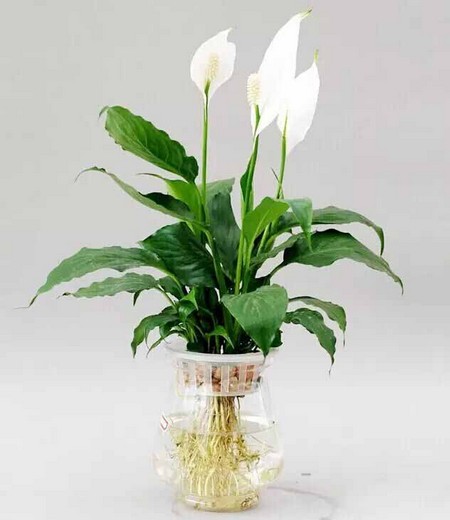
How to grow peace lily (Spathiphyllum) in water? Explaining the causes of not blooming and yellowing, withered leaves
Hydroponic peace lilies not only have the traditional flower-plant functions of enjoying blooms and foliage, but also offer unique advantages such as being clean and eco-friendly, saving labor and time, being easy to care for, having an elegant style, and being highly ornamental. You can enjoy both the beauty of the flowers and the splendor of the roots, which is refreshing and uplifting. Hydroponic peace lilies are very low-maintenance
-
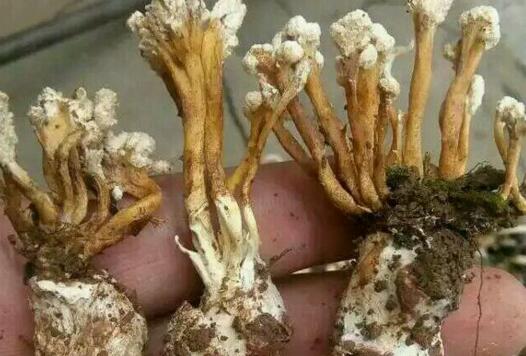
Where Golden Cicada Flower Grows as an Entomopathogenic Fungus, Plus Effective Ways to Eat It and People Who Should Avoid It
Golden cicada flower, commonly known as large cordyceps, is an entomopathogenic fungus; among the 504 species of cordyceps discovered worldwide, golden cicada flower and Chinese cordyceps are just two of them. So, where does golden cicada flower grow? How should it be eaten for the best effect? Who should not eat it? Where does golden cicada flower grow?
-
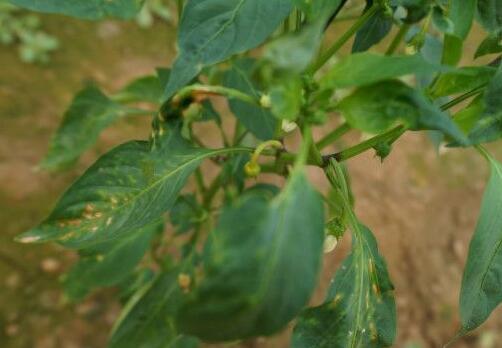
Identification of plant physiological diseases: diagnosis of diseases caused by abiotic pathogens
Identification of plant abiotic pathogens and the diseases they cause (physiological diseases)? During the process of plant growth and development, unsuitable physical factors, chemical factors, air pollution, pesticide toxicity, as well as the plant's own physiological defects or hereditary diseases in the environment can all cause plants to develop diseases caused by abiotic pathogens
-
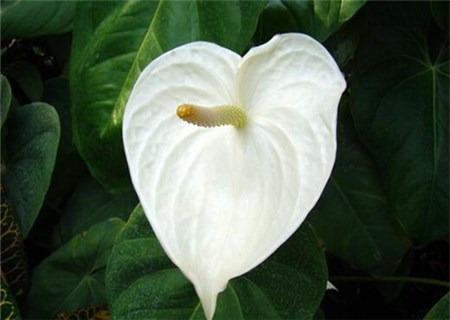
Peace Lily, also known as Spathiphyllum: How to Grow It from Seed, Its Benefits and Effects, and How Many Times It Blooms a Year
The peace lily (Spathiphyllum) is widely cultivated around the world. It is very beautiful when in bloom, and even when not flowering it is an excellent indoor potted foliage plant. It is a new generation of indoor potted flowers. So do you know what the methods are for growing peace lilies from seed? What benefits and effects do they have? How many times do they bloom a year?
-

What are the pathological symptoms of nutrient deficiency in Clivia?
Clivia is a precious indoor ornamental flower. Clivia is easy to cultivate, but improper management can lead to failure to bloom, or even poor plant growth. Therefore, rational fertilization is one of the important conditions for growing Clivia well. According to observation and research, when Clivia lacks nutrient elements, it shows the following symptoms: when deficient in nitrogen
-
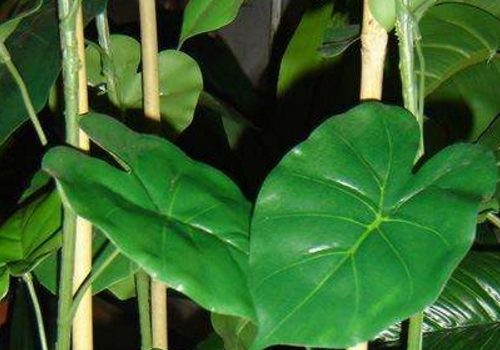
Why does Alocasia macrorrhizos get root rot and how is it different from Spathiphyllum
Alocasia macrorrhizos, many people have seen it, they just don't know its name. Why does Alocasia macrorrhizos get root rot? How is it different from Spathiphyllum? Why does Alocasia macrorrhizos get root rot: 1. Root rot in soil-grown Alocasia macrorrhizos is mainly caused by the potting soil being too wet. When the potting soil is too wet, the rhizomes of Alocasia macrorrhizos easily rot. The cause of overly wet potting soil may be that you watered too much, leading to water accumulation in the pot, or it may be that the soil is highly clayey, has poor aeration, and easily retains water on its own.
-

Induced biochemical responses in tea plant leaves after infection by the tea blister blight pathogen
The activities of enzymes such as phenylalanine ammonia-lyase, polyphenol oxidase and peroxidase, as well as the levels of proteins, proline and phenolic compounds in the leaves, were studied after tea plant leaves were infected by the tea blister blight pathogen. The study showed that in diseased leaves the activity of phenylalanine ammonia-lyase decreased, while the activities of peroxidase and polyphenol oxidase increased. Analysis of peroxidase isoenzymes by polyacrylamide gel electrophoresis using benzidine as substrate showed that healthy tea plant leaves had 4 isoenzymes, whereas
-
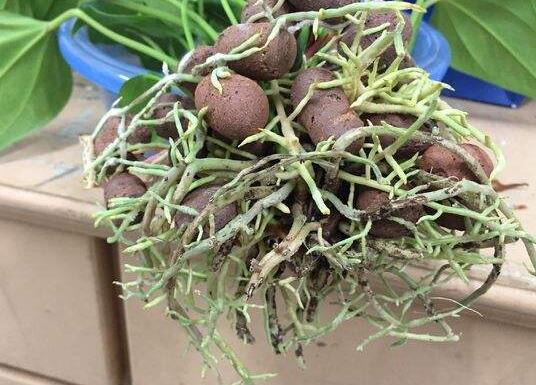
What to Do When Anthurium Roots Rot, Leaves Turn Yellow, and the Spathe Turns Black
The roots of the anthurium are the main part through which it absorbs nutrients and water. Once they rot, the plant's growth will slow down, and if the rot is severe, it may even cause the plant to die. Therefore, when growing it, you must avoid this situation. But what should you do if the anthurium roots rot? Let me tell you the causes and solutions.
条件筛选