-
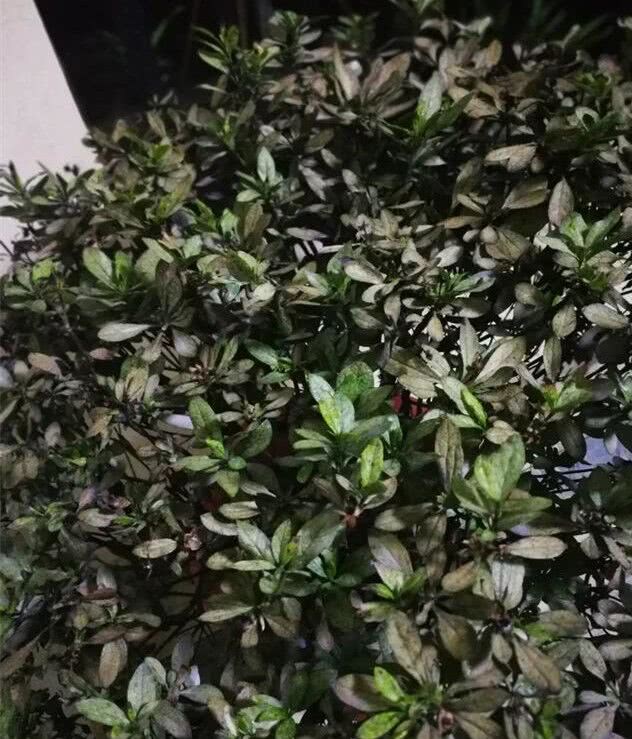
Rhododendron leaves turn completely black and nearly die after using ferrous sulfate; fertilize with caution
Fertilizing flowers is meant to make them grow more vigorously, but improper application can backfire. A fellow flower enthusiast asked me that after using ferrous sulfate on their rhododendron, the leaves turned black. What should be done in this situation? Today let's analyze the causes together...
-
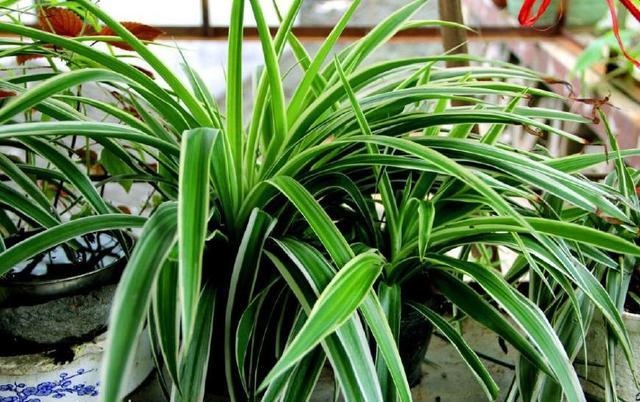
Bury a few soybeans at the bottom of the spider plant pot, and within half a month it will burst into a waterfall of growth
As one of the commonly kept foliage houseplants, the spider plant (Chlorophytum comosum) is quite popular. It stays green all year round, and placing it in the living room or bedroom beautifies the home, while also helping to purify the air. Although the spider plant is common, it is not easy to care for; some flower...
-
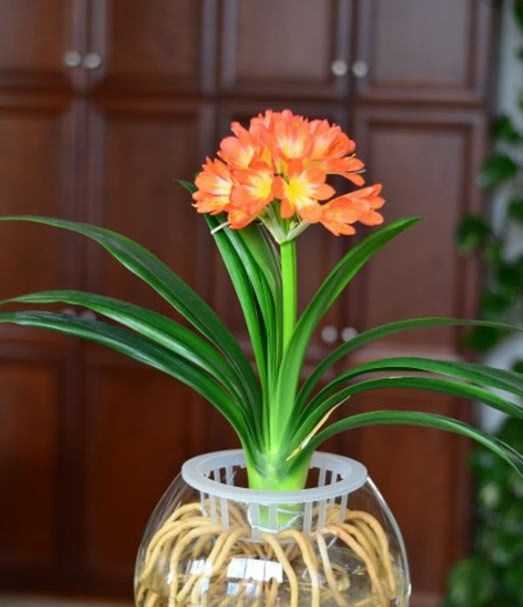
Rotting leaves on clivia affect its growth; only with this kind of care can it grow well
Clivia has very strong vitality, but rotting leaves will affect the plant's growth, and in severe cases cause death, and root rot is also likely to occur. Summer is when problems occur most often. Clivia likes a cool environment, and high temperatures...
-
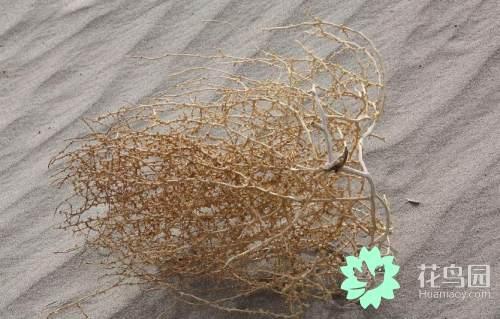
Tumbleweeds roll with the wind, setting off on a spontaneous journey
If you find yourself in the vast, sandy expanse of the American West, the sight before you is sure to leave you stunned: masses of spherical dried grass tumbling and leaping with the wind, as if a grand ball were underway. You have no idea what is happening, nor where it...
-

5 plants with super strong air-purifying abilities, learn about them for your family's health
Many plants are highly effective at purifying the air. Below, we introduce 5 plants with excellent air-purifying abilities. Spider Plant. The spider plant can produce oxygen even in dim light, and it can absorb ninety percent of the carbon monoxide and formaldehyde in the air...
-
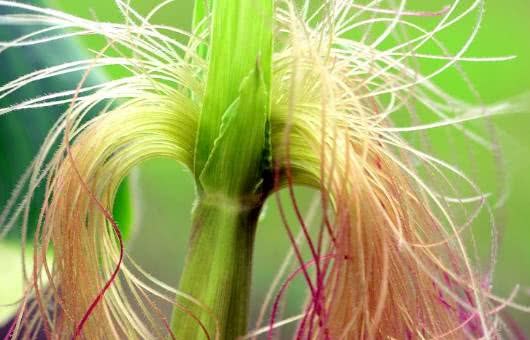
Drinking water infused with corn silk has many benefits, and many people don't know they should not just throw it away
Corn originated in South America and was later spread to all parts of the world. Today it is globally recognized as the "golden crop," and in some regions it is a staple food. Corn has a certain preventive...
-

How do you save an asparagus fern with root rot? Here are a few practical remedies
There are many causes of root rot in asparagus fern (Asparagus setaceus): if it is caused by too much or too frequent watering, then control the amount of water and do not water too much. If it is caused by over-fertilizing, then reduce the amount of fertilizer and do not fertilize frequently. If it is caused by low temperatures, then raise the temperature appropriately. If it is caused by not repotting for a long time, then repot once every 2-3 years.
-
How to rescue an orchid with root rot? Master these few tricks and the orchid can still be saved
There are many causes of orchid root rot: if it is caused by insufficient light, then appropriately increase the light, but do not expose it to scorching sun. If it is caused by a poorly ventilated growing environment, then appropriately increase ventilation. If it is caused by too much watering, then reduce the amount of watering, and water only after the potting soil has dried out. If it is caused by too much fertilizer, then reduce the amount of fertilizer, applying light fertilizer frequently.
-

How to deal with rotten roots in lilies? Practical solutions shared
To solve the problem of rotten lily roots, first take it out and clean the roots thoroughly, use sterilized scissors to cut off the rotten roots, then disinfect the roots, and after disinfection rinse them clean with water and let them dry. Then choose hydroponics or soil culture according to your needs.
-

How to rescue a peony with root rot? Learn these methods and you can still save it
There are many causes of root rot in peonies: if it is caused by excessive watering, then water reasonably, and it is best to wait until the soil becomes dry before watering. If it is caused by root rot disease, then promptly cut off the diseased roots and disinfect them, and fertilize appropriately to increase disease resistance. If it is caused by too much fertilizer, then fertilize in moderation, and do not fertilize too much or too frequently.
条件筛选