Rhododendron leaves turn completely black and nearly die after using ferrous sulfate; fertilize with caution
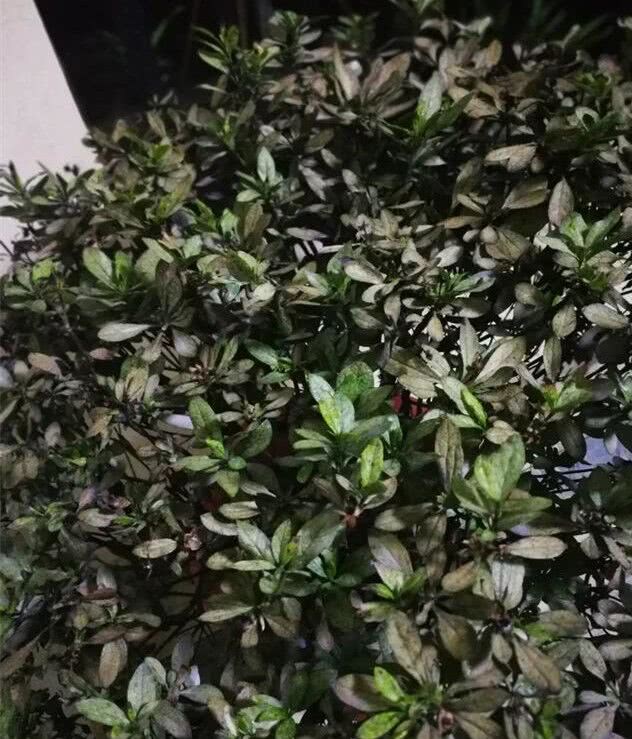
Fertilizing flowers is meant to make them grow more vigorously, but improper application can backfire. A fellow flower enthusiast asked me that after using ferrous sulfate on their rhododendron, the leaves turned black. What should be done in this situation? Today let's analyze the causes together.
This flower enthusiast's rhododendron has clearly been over-fertilized and suffered fertilizer burn. Rhododendrons are acid-loving flowers, and supplementing with ferrous sulfate once a month is perfectly reasonable. However, you must apply weak fertilizer frequently. When growing flowers and fertilizing, we must always remember this rule. So now that the rhododendron has large areas turning black, what should be done?
Change the potting soil. Replace the soil that contains too much ferrous sulfate, because ferrous sulfate, as a trace element, only needs to be present in a tiny amount in the potting soil. If there is too much of this element in the soil, the black leaves will only get worse and worse, and the plant will be burned to death within a few days. You can replace this potting soil, rinse the roots several times with clean water to wash away the remaining ferrous sulfate, then replace it with a nutritionally balanced, loose and breathable potting mix. Then, cut off the blackened leaves and prune the diseased branches. Keep the soil slightly moist and place it in a ventilated spot with indirect light. You can cover the plant with a bag to retain moisture, poke a few holes in the bag for ventilation. This way, there is still a chance it will recover.
Let's talk about how to use ferrous sulfate. Ferrous sulfate, as a chemical fertilizer specifically for treating chlorosis, is needed in very small amounts in the soil. For some southern flowers, applying it once a month is sufficient, and the maximum amount is a 1:1000 ratio. For example, our mineral water bottle holds 500 grams of water, so adding half a gram of ferrous sulfate is enough. You don't necessarily need to use it every month; you should also leave an interval in between. If we buy a bag of ferrous sulfate, it will last a full year. After watering, wait about ten minutes, then water thoroughly once with clean water, so that the entire pot is filled with this trace element, and the flower's roots can absorb it evenly and grow better.