Bury a few soybeans at the bottom of the spider plant pot, and within half a month it will burst into a waterfall of growth
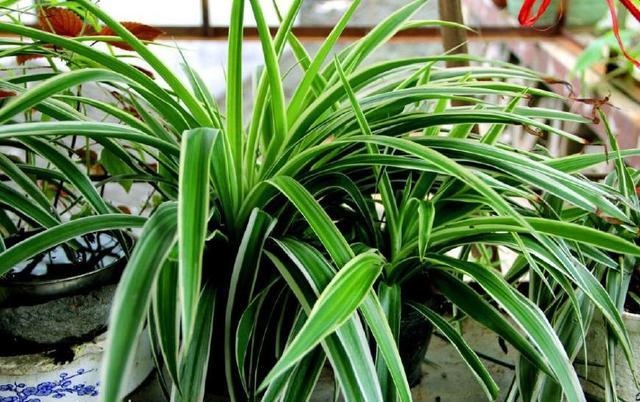
As one of the commonly kept foliage houseplants, the spider plant (Chlorophytum comosum) is quite popular. It stays green all year round, and placing it in the living room or bedroom beautifies the home, while also helping to purify the air. Although the spider plant is common, it is not easy to care for. Some flower lovers end up with spider plants that have dry tips and yellow leaves, while others are very skilled and grow plants with wide, plump leaves that stay lush green all year round. In the end, it all comes down to a few little tricks. For example, burying a few soybeans at the bottom of the spider plant pot!
The spider plant in the picture above is the result of fertilizing with soybeans: the leaves are wide and plump, full of vitality. Soybeans are rich in nitrogen and other trace elements, making them very suitable for growing plants. This is especially true for foliage plants like spider plants, pothos, money trees, lucky bamboo and so on, which tend to develop yellow leaves when they lack nitrogen.
Using soybeans to grow plants also has its particular methods. The steps are as follows:
First, soak the soybeans in water for three to four hours, which makes the subsequent cooking time shorter. After soaking, steam or boil them in a pot for half an hour, until they are cooked through. Then, crush the cooked soybeans into a powder and dry them in the sun for a full day. After that, they are ready to use!
Some flower lovers ask, why crush them into powder and also dry them in the sun? It is actually very simple. I have done controlled experiments, and powdered soybeans are more easily absorbed by the spider plant. The nutrients break down faster and can quickly act on the spider plant's fleshy roots. The purpose of sun-drying is sterilization.
Finally, place the soybean powder at the bottom of the spider plant pot. You can simply dig a small hole in the potting soil and bury the soybean powder directly inside. Bury a little every so often, leaving some space between each spot. Then water lightly. Remember, you must not add too much; save the rest of the soybeans to fertilize several more times, following the principle of light fertilizer applied frequently.
Besides digging holes in the pot and burying soybeans, there is another method: mixing the soybean powder directly into the soil. This operation requires taking the spider plant out of the pot. The advantage of doing this is that the soil nutrients become more complete, which is even better for the spider plant to sprout and grow, and even to bloom. In addition, when repotting, you can also take the opportunity to check how the spider plant's root system is growing. Any rotten roots can be cut off directly and coated with a little carbendazim.
A spider plant grown with soybeans can, in a short time, be trained into the waterfall shape shown in the picture. And this little trick has proven reliable for many flower lovers time and again. Besides the trick of burying soybeans, to make the spider plant's leaves even glossier and fuller, flower lovers can appropriately spray a little monopotassium phosphate. This supplements both the nitrogen the plant needs and phosphorus. For growing green plants, monopotassium phosphate works best for me.
That is all for sharing these little spider plant care tips. If flower lovers have better tricks, you are welcome to comment below!