Rotting leaves on clivia affect its growth; only with this kind of care can it grow well
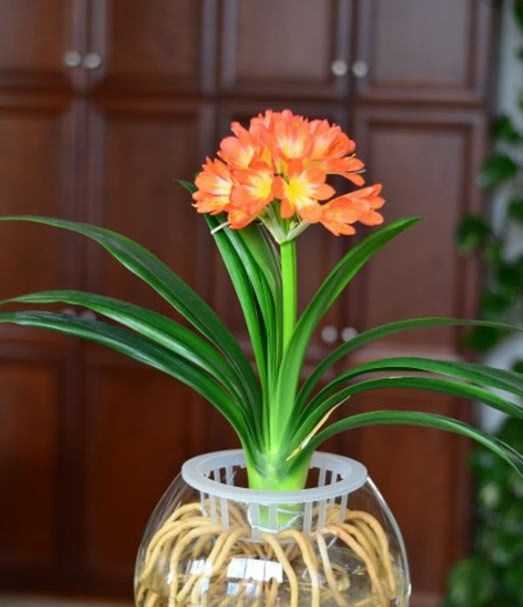
Clivia has very strong vitality, but rotting leaves will affect the plant's growth, and in severe cases cause death, and root rot is also likely to occur. Summer is when problems occur most often. Clivia likes a cool environment, and high temperature and high humidity are a major obstacle to the plant's growth. Being kept indoors for a long time also makes air circulation especially poor, which is why leaf rot occurs
When clivia leaves rot, it usually starts from the leaf core. When the rot in the leaf core is relatively small, there is still a chance to save it. Use a paper towel to clean up the sap that flows out, and place it in a ventilated spot. When watering, do not splash water on the leaves; if it splashes on them, dry it off quickly, so the wound heals relatively fast. If the rot is severe, remove all the diseased leaves, and the leaves must not have standing water
If the plant's leaves are accidentally cut, bacterial infection can occur. If ignored, the disease develops very quickly, and in the later stage the leaves change color, causing the plant to die. Clivia should be placed as much as possible in areas without blades or wire nearby, to avoid being punctured. If it is punctured, be sure to apply a fungicide and disinfect it, so the plant can grow normally.