-
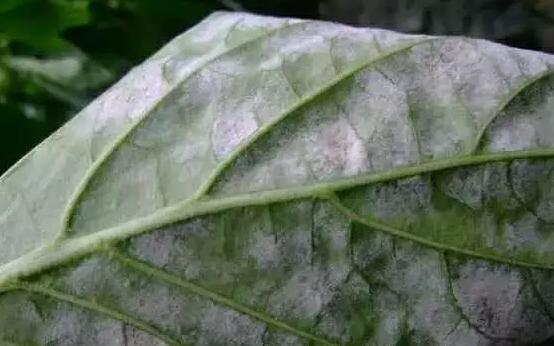
What are the symptoms of powdery mildew on flowers, fruit, wheat and other crops, and what is the best medicine to spray?
Powdery mildew is one of the main diseases on summer vegetables. In summer, due to high temperature, muggy humidity, improper fertilization, leggy plant growth, poor ventilation and other reasons, this disease is prone to occur. So what medicine is better for powdery mildew? What symptoms are there? Powdery mildew mostly occurs in the late growth stage of plants and mainly harms leaves
-

Key Points of High-Yield Cultivation Techniques for Direct-Seeded Soybean after Wheat Harvest
The Longkou City Agricultural Technology Promotion Center conducted a two-year study on summer direct-seeded soybean after wheat harvest. The experiment used the Ludou 11 variety, and the yield per 667 sq m reached more than 300 kg. Through the experiment, the wheat-soybean direct seeding method replaced the wheat-corn relay intercropping model, with a significant increase in benefits, raising income by more than 400 yuan per 667 sq m. The key techniques are early seeding by rushing the stubble, single-seed sowing, density control, and timely harvest. 1. Variety selection and treatment. Select varieties with stiff stems that do not lodge
-
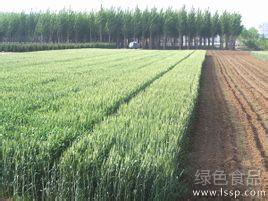
What are the technical characteristics of wheat field intercropping and multiple cropping patterns?
Analysis of the technical characteristics of the "intercropping and multiple cropping" pattern in wheat fields
-
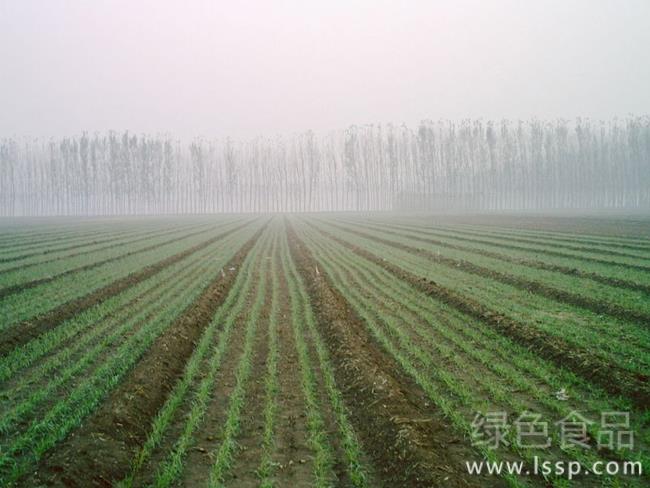
Improving Fertilization Techniques: Nutrient Requirements and Fertilization Principles of Winter Wheat
Improving Fertilization Techniques: Nutrient Requirements and Fertilization Principles of Winter Wheat
-
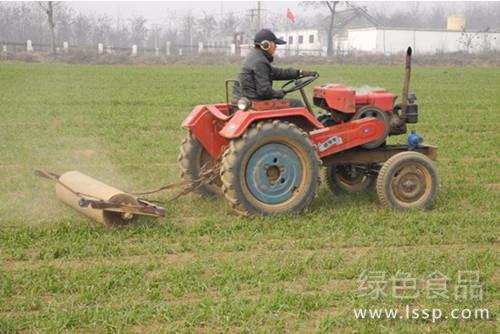
Early spring wheat rolling has many benefits: preserving soil moisture, raising temperature, and resisting drought
Preserving soil moisture, raising temperature and resisting drought: the many benefits of early spring wheat rolling
-
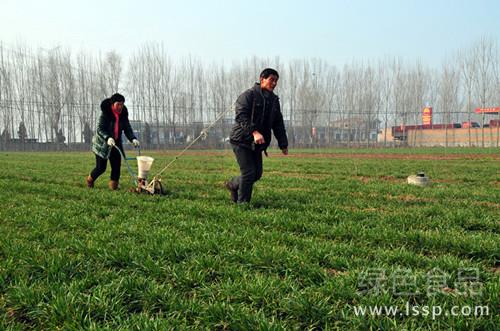
Wheat has a relatively high phosphorus demand; how should phosphorus fertilizer be applied scientifically as a top dressing?
Wheat has a relatively high phosphorus demand; how to apply phosphorus fertilizer as a top dressing for wheat
-
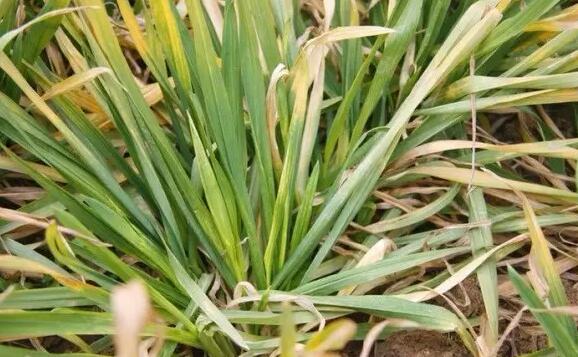
Causes of wheat yellow leaf disease and its medication control methods
After the beginning of spring, wheat leaves show varying degrees of yellowing, commonly known as wheat yellow leaf disease. Symptoms generally begin to appear in late February to early March. So what medicine should be used for wheat yellow leaf disease? What causes the yellowing? How should it be controlled? Wheat yellow leaf disease is a soil-borne viral disease, namely wheat yellow mosaic virus disease.
-
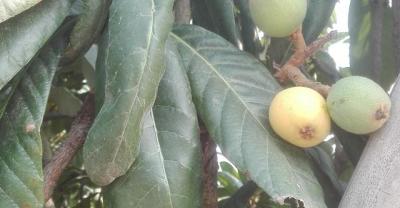
High-Yield Wheat Cultivation Techniques and Disease Control Methods
Wheat Cultivation Techniques and Disease Control: Wheat Aphid Control. Based on the damage characteristics of aphids, conduct field inspections starting from now and from early February of next year. During the seedling stage, as long as...
-
Field management of wheat-intercropped cotton must be followed up in time
1. Growth and development characteristics of wheat-intercropped cotton. For wheat-intercropped cotton, the cotton seedlings are weak after wheat harvest, grow and develop slowly, bud and flower late, are prone to excessive vegetative growth in the mid-season, and tend to mature late in the late season; moreover, this year the cotton seedling stage was affected by rainfall and low temperatures, and seedling diseases were relatively severe. Field management after wheat harvest must be based on the word "early" and vigorously grasp the word "quick" to promote rapid growth and development of the cotton seedlings so as to make up for insufficient growth during the seedling stage. 2. Quickly destroy the wheat stubble and loosen the soil
-
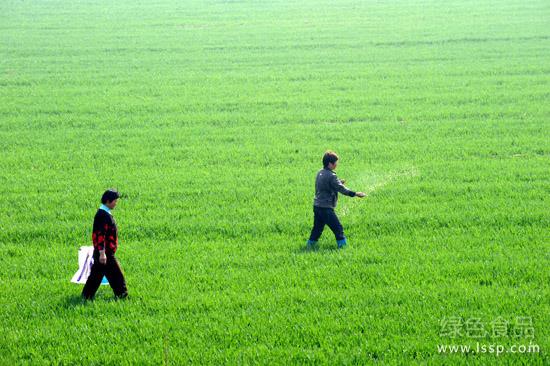
How to Save Late-Sown Wheat? Master the Foliar Fertilization Technique
Master the "Foliar Fertilization" Technique to Save Late-Sown Wheat
条件筛选