-

How to grow Venus flytraps best? Detailed guide to care methods and precautions
The Venus flytrap is a perennial herbaceous plant native to North America, a very interesting carnivorous plant with a very short stem, and at the tip of each leaf grows a trap that closely resembles a shell, which can secrete nectar; when a small insect intrudes, it can clamp it shut at extremely fast speed and digest and absorb it
-
How to Grow Venus Flytraps? Detailed Introduction to Planting Methods
Introduction to Venus Flytrap Planting Methods
-
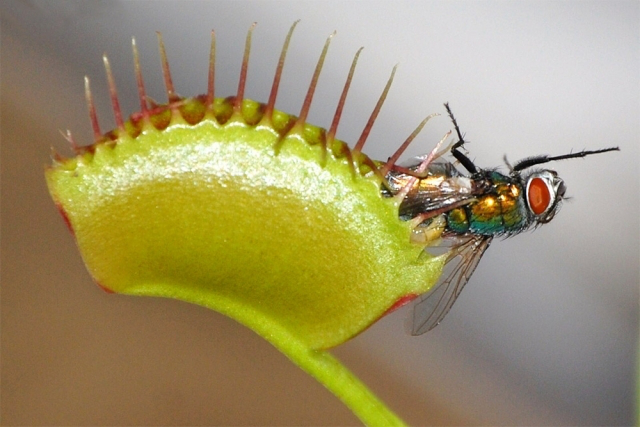
What Are the Propagation Methods of the Venus Flytrap? Explained in One Article
The propagation methods of the Venus flytrap include: sexual propagation and asexual propagation; asexual propagation is further divided into the leaf-cutting method, the division method, and the flower bud method. 1. Sexual propagation. The Venus flytrap can be propagated through seeds, and can also self-pollinate. But in most cases, it only produces fruit with manual pollination. However, if the timing of pollination is wrong
-
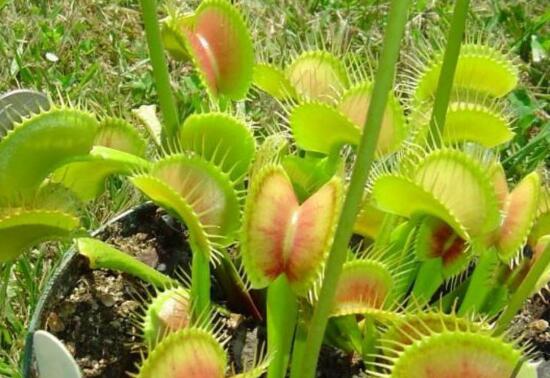
What to Do When Venus Flytraps Get Pests? Pest and Disease Control and Leaf Softening Dehydration Disease: Stop Light Exposure
When it comes to the Venus flytrap, everyone knows it is a mosquito-repelling plant whose traps can attract insects and then snap them dead in an instant. But did you know? If not cared for properly, even the insect-eating Venus flytrap can get pests. What should you do then? Here are several common Venus flytrap pests and diseases
-
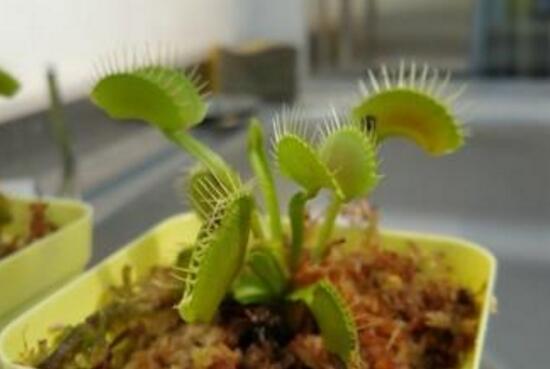
There are three propagation methods for Venus flytraps: leaf cuttings, division, and sowing.
As a plant that can repel mosquitoes, keeping a Venus flytrap indoors not only eliminates flies and insects in the home but also purifies the air, so every summer it becomes something people seek out. With the growing demand for Venus flytraps, mass propagation is imperative, so how do you propagate a Venus flytrap?
-

How do you grow Venus flytraps with big traps? The pot needs to be deep, the light needs to be ample, and water and nutrients must not be lacking.
Every summer, to avoid the annoyance of flies and mosquitoes, people choose to keep a Venus flytrap at home, because it is a mosquito-repelling plant. It is said that the Venus flytrap's traps can catch small insects such as flies and mosquitoes. The bigger its traps, the better it catches insects. So how do you grow Venus flytraps with big traps? On this point,
-
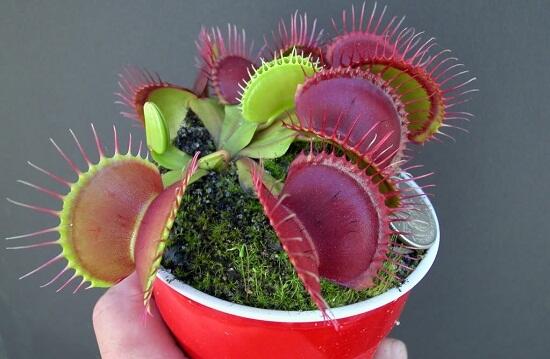
How to water a Venus flytrap? The tray method of care, split into outdoor growing and enclosed growing
The Venus flytrap is a plant that can repel mosquitoes. Keeping it indoors not only eliminates flies and insects in the home but also purifies the air. However, growing a Venus flytrap well is not easy, and watering is especially important. So how do you water a Venus flytrap? Below are Venus flytrap tray-method care tips and fertilizing methods.
-
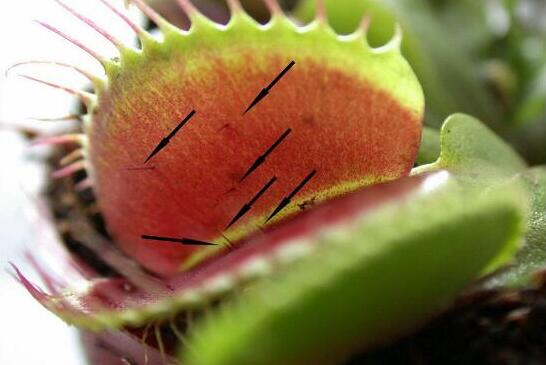
How to fertilize a Venus flytrap? Once every 15 days during the growing season, and feed it only live insects
As a plant that can repel mosquitoes, when kept indoors, the Venus flytrap eats insects to supplement its nutrients. However, the carcasses left after the Venus flytrap finishes eating insects inevitably hurt its appearance and can also cause hygiene problems, so it is better to provide nutrients to the Venus flytrap through fertilization. So how do you fertilize a Venus flytrap?
-
Why does the Venus flytrap move, and will a Venus flytrap die if it doesn't eat insects? The moving video is very satisfying
When it comes to the Venus flytrap, everyone knows it is a plant that can repel mosquitoes, but unlike mosquito-repellent geranium and night-blooming jasmine, which use fragrance to repel mosquitoes and insects, the Venus flytrap uses its large traps to snap insects to death. This raises a question: why does the Venus flytrap move? It is quite normal for a Venus flytrap to eat insects
-
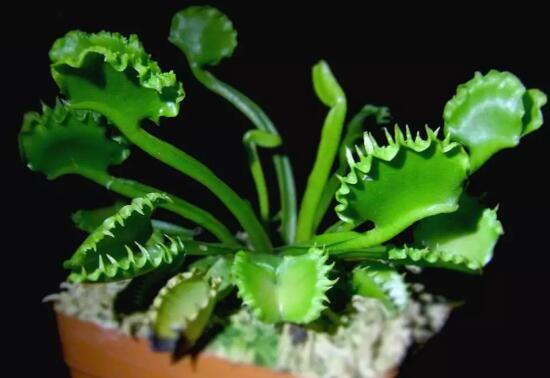
Venus flytrap benefits and effects: beautifies the home, purifies the environment, and offers fascinating insect-catching fun
Most people have heard of the Venus flytrap. It is a plant that can repel mosquitoes, and every summer it becomes a houseplant for many people. When it comes to the Venus flytrap, everyone thinks of its ability to catch flies, but besides catching insects, do you know its other benefits and effects? It does not matter if you do not
条件筛选