What Are the Propagation Methods of the Venus Flytrap? Explained in One Article
The propagation methods of the Venus flytrap include: sexual propagation and asexual propagation; asexual propagation is further divided into the leaf-cutting method, the division method, and the flower bud method.
1. Sexual propagation
The Venus flytrap can be propagated through seeds, and can also self-pollinate. But in most cases, it only produces fruit with manual pollination. However, if the timing of pollination is wrong, manual pollination will not necessarily succeed either. The correct timing for pollination should be the second day after the flower opens.
2. Asexual propagation
1. Leaf-cutting method
This is the most commonly used propagation method for the Venus flytrap. That is, insert a section of leaf stalk into the soil, and a new plant will grow.
2. Division method
When the Venus flytrap grows side shoots, as long as they are large enough and have complete roots, they can all be separated from the mother plant and planted on their own.
3. Flower bud method
Sometimes, because of temperature differences, the flower bud of the Venus flytrap will turn into a plant.
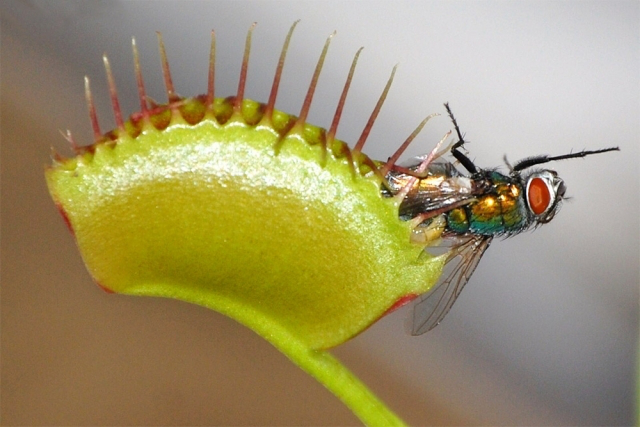
Such a strange, useful, interesting, and harmless Venus flytrap - do you like it? Are you ready to start growing a pot of your own Venus flytrap?
Propagation Methods of the Venus Flytrap
Sexual Propagation of the Venus Flytrap
The Venus flytrap is a seed plant and can be propagated through seeds, and can also self-pollinate. But in most cases, it only produces fruit with manual pollination. However, if the timing of pollination is wrong, manual pollination of the Venus flytrap will not necessarily succeed either.
The flowers of the Venus flytrap do not have their stamens and pistils maturing at the same time. Often the stamens mature first, and the pistils mature later. So pollinating it at that time is useless. Because the pistils of the Venus flytrap usually mature one day later than the stamens, the correct timing for pollination should be the second day after the flower opens.
If pollination is successful, the flower will wither within 1 to 2 days, and the ovary (the base of the pistil) will begin to swell, and the fruit will mature after several weeks.
A single fruit of the Venus flytrap generally contains a dozen or so seeds, black, teardrop-shaped.
The number of seeds is related to the health and size of the plant itself. Robust plants usually can produce a few more seeds.
Because the seeds of the Venus flytrap do not keep well, they should be sown as soon as possible after harvest.
If you want to grow a larger Venus flytrap, do not let it bloom frequently, because blooming consumes a lot of nutrients. You can cut off the flower stalk as early as possible when it emerges.
Asexual Propagation of the Venus flytrap
Leaf-cutting method
This is a commonly used propagation method for the Venus flytrap. That is, insert a section of leaf stalk into the soil, and a new plant will grow.
From late spring to early summer, in the season when the Venus flytrap grows vigorously, after digging the Venus flytrap out of the soil, we can see its white petal-like leaf stalks buried in the soil. Peel off the trap together with the leaf stalk, along with the white base of the leaf stalk, then place these leaf stalks on the growing medium, maintain high humidity and give enough light, and after several weeks new buds will sprout.
Division method
When the Venus flytrap grows side shoots, as long as they are large enough and have complete roots, they can all be separated from the mother plant and planted on their own.
Flower bud method
Sometimes, because of temperature differences, the flower bud of the Venus flytrap will turn into a plant!
If the temperature difference between day and night is very large, it will induce the flower bud of the Venus flytrap to transform into a new plant. At this time, you can cut off this small plant and plant it in the soil, and it will be another new Venus flytrap.
How the Venus Flytrap Reproduces and How to Grow the Venus Flytrap
The Venus flytrap is a common green plant. Grown indoors, it can eliminate flies and insects in the home, and can also purify the air. But how should this Venus flytrap be propagated? What is the growing method for the Venus flytrap?
How the Venus Flytrap Reproduces and How to Grow the Venus Flytrap1. The Venus flytrap can be propagated by leaf cuttings
Leaf cutting is one of the common propagation methods for the Venus flytrap. When needed, you can remove its leaves from the mother plant, insert them obliquely into clean substrate such as sphagnum moss, and keep suitable humidity and gentle sunlight. After about two months, it will grow new tender buds.
2. The Venus flytrap can be propagated by division
Division propagation is also one of the important propagation methods for the Venus flytrap. During growth, this plant will grow some side shoots. After the side shoots have grown large enough, remove them, then insert them directly into a new flower pot, water them thoroughly, and place them in a cool place to recover. After about twenty days, the side shoots will take root, and a new Venus flytrap will have appeared.
3. Growing method for the Venus flytrap
When growing the Venus flytrap, it needs loose and fertile soil, and during the growth period it must have sufficient water. Usually you can spread some moss on the surface of its flower pot, which can reduce water evaporation. In addition, the Venus flytrap likes a semi-shaded environment and must not be placed under strong light. Especially in summer, it should be placed in a cool and ventilated environment, and water should be sprayed on the leaves in time, otherwise its leaves will turn yellow and its fly-catching effect will also decline noticeably.