-
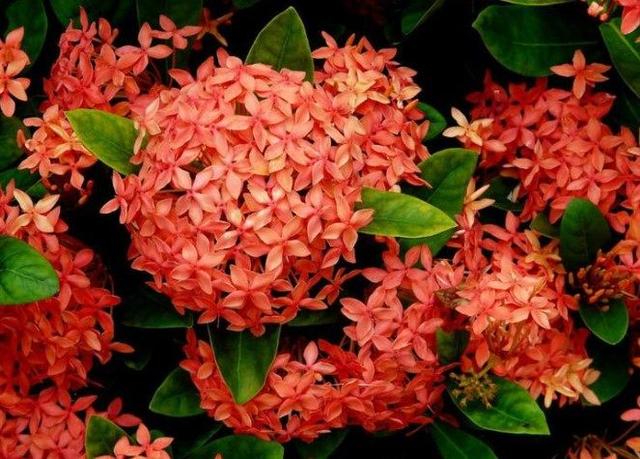
For summer potted flowers, just choose these few types; the hotter it gets, the more vigorously they bloom, and they are stunningly beautiful.
These few flowers are suitable for potting in summer; the hotter the weather, the more vigorously they bloom, and they look absolutely beautiful! ...
-
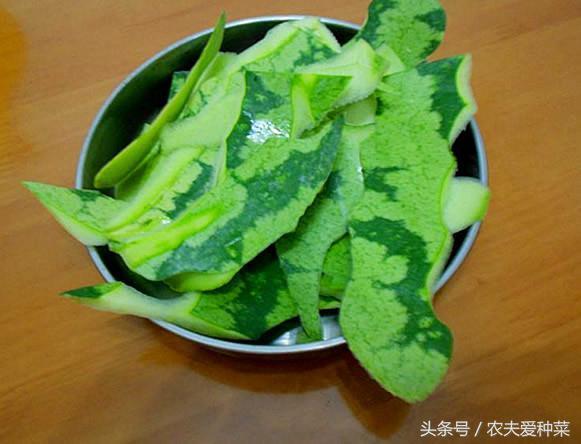
Don't throw away these 3 common types of trash; toss them into the flower pot and your flowers will be vibrant, the leaves green, and every pot will burst with growth
Potted flowers often just won't grow well. Besides careful care, you also need to give them some extra material now and then. For example, don't throw away these few types of trash; pick them back up to grow flowers, and the effect is great - vibrant flowers, green leaves, and every pot bursting with growth. 1. Fruit peels - the watermelon rinds, grape peels...
-
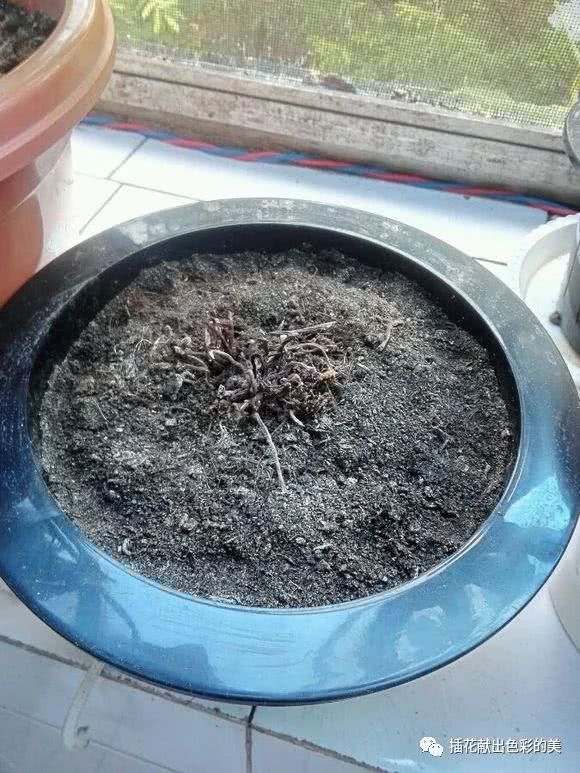
During the plum rain season, these 5 types of flowers must never be left out in the rain, or they may easily die
The plum rain season is about to begin. Gardeners in the south are all quite frustrated during the plum rain season: humidity is high, temperatures are high, clothes and other items mold easily, bacteria multiply quickly, and flowers get sick easily. Not only do people feel especially uncomfortable, but flowers are also prone to pests and diseases. During this period...
-

-
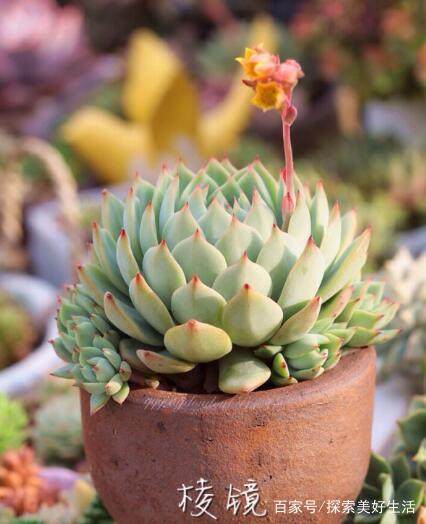
Succulent Bonsai Recommendations: These Types Are Tough and Easy to Grow, and Beautiful in Summer Too
When growing succulents in summer, you should choose tough ones, such as the following 3 types; they look gorgeous with minimal care! Succulents struggle to get through summer, so when buying succulents in summer, variety selection is also very important. Below, let me recommend 3 very "..."
-
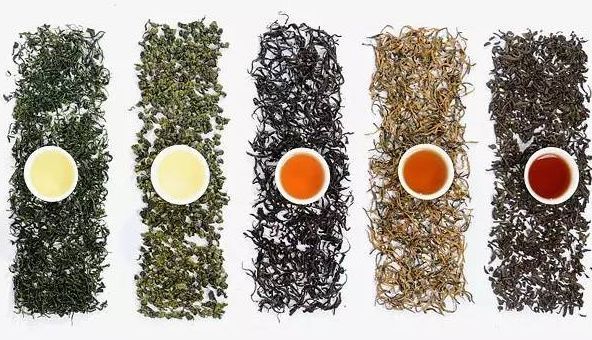
Over 600 types of tea, how many do you know? Save it and review it once in a while
The production areas are all over the country, with all kinds of production techniques, divided into all kinds of tea types. China's six major tea categories: green tea, yellow tea, white tea, oolong tea, black tea, dark tea. Fermentation degrees of the six major tea categories: approximate distribution map of the six major tea categories: green tea, green...
-
For growing orchids, just choose these few types: cheap, easy to care for, and especially beautiful when the branches are full of blooms
Orchids are probably one of the more difficult flowering plants for everyone to grow; the slightest mistake can kill them, which makes many people afraid to grow orchids. In fact, there are many kinds of orchids, and some orchids are also relatively simple to care for and are super beautiful. Below...
-
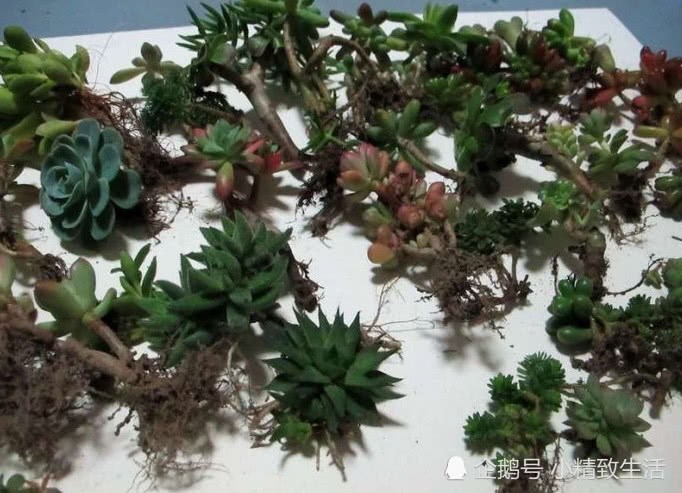
Illustrated Tutorial on the Correct Way to Pot 4 Types of Bare-Root Succulents Bought Online
The internet is so developed nowadays, and online shopping is very convenient. Many friends buy succulents online and plant them at home. Indeed, online succulents come in complete varieties and are cheap, and Xiaojingzhi Life also often buys succulents online, but...
-
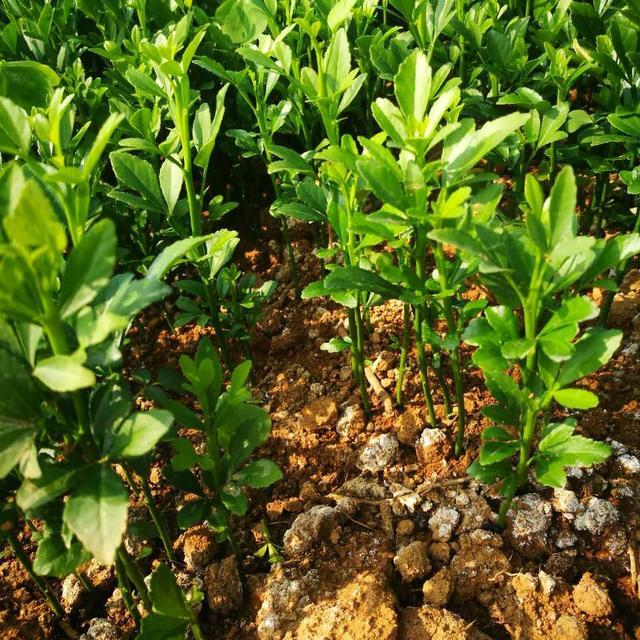
Detailed Explanation of Main Citrus Rootstock Types and Their Performance in Zhejiang Province
Main Citrus Rootstock Types and Their Performance in Zhejiang Province 1 Citrus Rootstock Types in Zhejiang Province Currently, the main citrus rootstock types in Zhejiang Province are: trifoliate orange (Poncirus trifoliata), Goutoucheng (Citrus aurantium 'Goutoucheng'), and Bendizao (Citrus succosa 'Bendizao'). In addition, through long-term rootstock selection and cultivation research, there are also scattered plantings of other rootstocks.
-
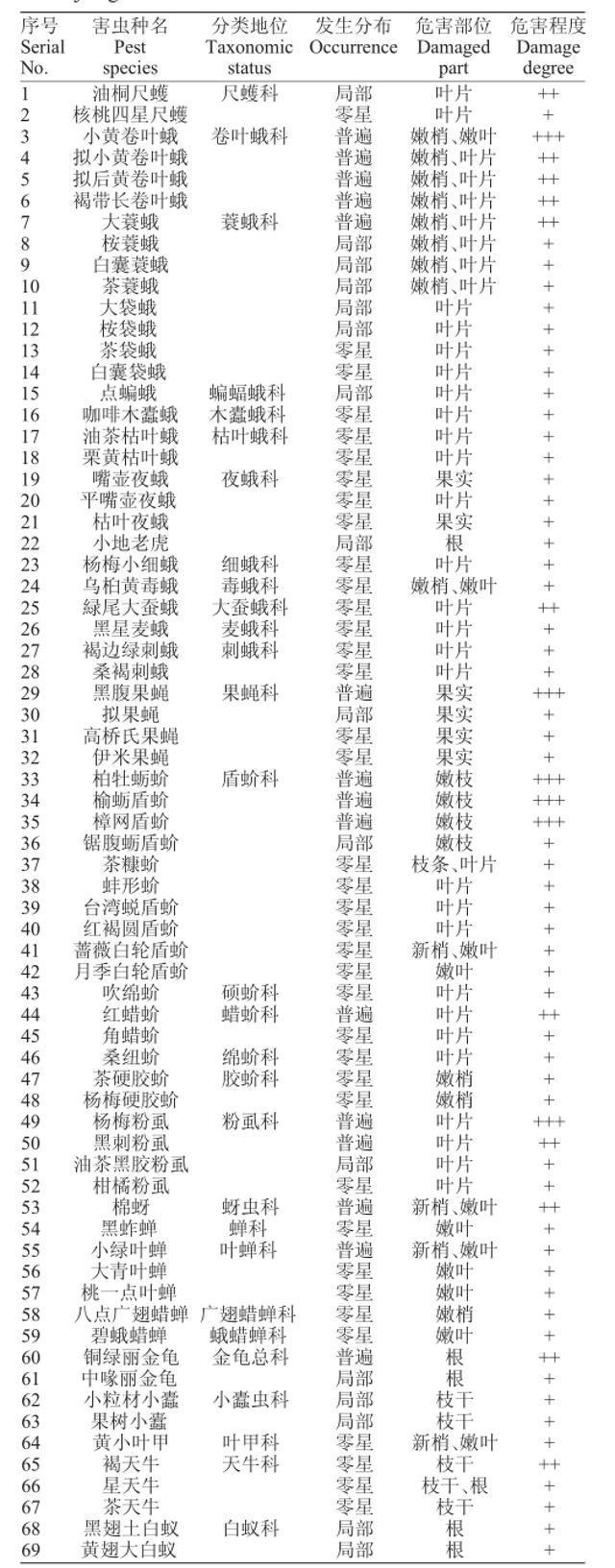
What types of pests and diseases affect bayberry? Occurrence patterns and green control techniques in Zhejiang
Species and Occurrence Patterns of Bayberry Pests and Diseases in Zhejiang Province and Their Green Control Techniques 0 Introduction [Research significance] Bayberry [Myrica rubra (Lour.) Sieb. et Zucc.] is a distinctive fruit of southern China, with a sweet-and-sour taste and unique flavor, enjoying a high reputation both domestically and internationally. Zhejiang Province is the main bayberry production area in China, with a total planting area of 86,500 ha, accounting for about one-third of the national total, an annual output of about 500,000 t, and an output value of 4.83 billion yuan, ranking first in output value among fruits in Zhejiang Province. It is the leading industry for farmers in mountainous and semi-mountainous areas of Taizhou, Wenzhou, Ningbo, Lishui, and Jinhua. In recent years, the bayberry industry in Zhejiang has developed rapidly, especially with the continuous expansion of the planting area of Dongkui bayberry, and the occurrence of pests and diseases has shown an increasingly severe trend, with heavy control tasks and great safety hazards. Therefore, identifying the main pest and disease species and their occurrence and damage patterns in Zhejiang bayberry, and proposing control strategies and green control techniques, is of great significance for ensuring the sustainable and healthy development of the bayberry industry and increasing farmers' income. [Previous research progress] To date, there have been many studies on the main pests and diseases, occurrence patterns, and control techniques of bayberry in various main production areas of Zhejiang Province. Wang Hongxiang et al. (1999), Gong Jieqiang and Wang Hongxiang (2002) reported that the main diseases damaging bayberry in Taizhou City, Zhejiang Province include brown spot disease, cancer disease, red coat disease, dieback disease, branch rot disease, and shoot blight disease, and the main insect pests include scale insects, whiteflies, oil tung geometer moths, leaf roller moths, bagworm moths, and termites. They analyzed the reasons for the increase in pest and disease occurrence and proposed corresponding control measures, but did not go deep into specific pest and disease species investigation and green control techniques. Liu Yougao et al. (2006) reported the occurrence characteristics and control techniques of bayberry cancer disease, brown spot disease, scale insects, and moths in Wenzhou City, Zhejiang Province, but there has not yet been a systematic investigation of other pest and disease species of bayberry, and most of the chemicals introduced in chemical control are not registered on bayberry, making safe pesticide use a difficult problem. Liu Gaoping et al. (2013) and Zou Xiuqin et al. (2015) reported simple net-room cultivation and green control techniques for Dongkui bayberry. Ren Haiying et al. (2014) reported the occurrence and control of bayberry wilt disease and slug moth pests. [Entry point of this study] From the overall research status, the investigation of bayberry pest and disease species and control techniques in Zhejiang is still not systematic and in-depth enough, and the various measures of agricultural, biological, physical, and chemical control still lack organic coordination and matching, thus affecting the implementation of integrated control techniques and the improvement of economic, social, and ecological benefits. [Key problems to be solved] Using a combination of systematic general survey and fixed-point monitoring, experimental research, and demonstration and extension, the main pest and disease species, distribution, and damage conditions of bayberry in the main production areas of Zhejiang Province were investigated, and the green control techniques and integrated management strategies for main bayberry pests and diseases were explored, providing a scientific basis for bayberry pest control.
条件筛选