-

Can hydroponic plants be put in the sun? These types grow even better with sun exposure, just don't pick the wrong light
"Do hydroponic plants have to hide from the sun? The leaves wilt as soon as they're in sunlight, and the water easily turns cloudy!" Actually, this can't be generalized. Not all hydroponic plants are afraid of sun; pick the right species and find the right lighting approach, and some hydroponic plants actually grow even more vigorously after sun exposure, with beautiful lush green leaves. Can hydroponic plants be put in the sun? The key is to distinguish
-

After the Start of Autumn, These 5 Types of Green Plants Must Be Pruned; Miss the Golden Window and Next Year's Blooming Will Be Halved
Once the Start of Autumn passes, the weather gradually cools down, and the green plants at home should also change their "state." At this time, you can't just wait for them to grow on their own; the ones that need pruning must be pruned ruthlessly, otherwise they won't grow well in autumn and won't have any vigor when spring comes next year. Today I'll talk with everyone about which green plants must be pruned after the Start of Autumn and how to prune them correctly,
-

Are all Phalaenopsis roots aerial roots? A clear explanation of the root types
Those of you who grow Phalaenopsis orchids may have noticed that the roots grow in different ways - some coil inside the pot, some poke out of the pot and stick up, plump and white with a bit of a crystal-like quality, looking completely different from the roots of other flowers. Someone asked: are all Phalaenopsis roots aerial roots? How many kinds of roots does it actually have? First, a clear
-

How many types of roots does a Phalaenopsis orchid have? A detailed explanation of root functions
In the vast and diverse world of flowers, beyond its stunning blooms, the Phalaenopsis orchid's root system is equally full of mystery. These roots of varying forms are not only key to the plant's survival but also carry unique biological functions. From appearance and function, Phalaenopsis roots can mainly be divided into aerial roots and underground roots, but as a typical
-

What are the common types of easily allergenic plants?
During the transition between summer and autumn, the large amount of pollen drifting in the air becomes a source of distress for many people with allergic constitutions. Among them, the pollen of plants such as mugwort, Japanese hop, and goosefoot is the main "allergen," requiring special attention. Mugwort, as the most common inhaled allergen in China, has a flowering period from July to October each year, and by virtue of its strong
-
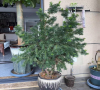
Which types of potted plants do not attract pests and also repel mosquitoes and insects
The biggest sign that spring has arrived is the occasional rain, then the occasional clear sky, and the temperature starting to turn from cold to warm. In this kind of environment, the things most easily produced are bacteria and mosquitoes and insects. For flower lovers who have a courtyard at home or who keep quite a lot of plants on the balcony, caring for them can be very troublesome. Below we introduce several plants that have an insect-repelling effect at home.
-

What types and varieties of sphagnum moss are used for Phalaenopsis, and where in China is the best domestic moss produced?
Office workers, in order to live a better life, busy every day earning a bit more money, yet if they work at such high intensity for a long time, with their minds constantly tense, it is truly exhausting. If your life situation is similar to the above, it is suggested that you might as well keep a few pots of flowers at home. When work tires you out, looking at these green plants can relax your eyes and lift your mood along with
-
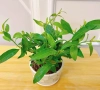
Which flowers are not suitable for growing in the bedroom? These types should be avoided
Many people like to place flowers in the bedroom, but not all flowers are suitable for the bedroom. If you choose the wrong ones, they will not only affect your sleep but may also harm your health. Today, let's talk about several flowers that are not suitable for growing in the bedroom. Night-blooming jasmine (Cestrum nocturnum): Its flowers are yellow-green or white and bloom in summer and autumn, with a unique fragrance. Many
-
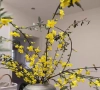
What types and varieties of yellow flowers are there?
In spring, all kinds of flowers compete in beauty, and yellow flowers are a bright and warm touch among them. Today, let me introduce several yellow flowers not to be missed in spring. Winter jasmine (Jasminum nudiflorum) is the messenger of spring; when most plants are still dormant, it blooms early. Its flowers are small and delicate, in a golden
-

What's the Deal with Black Spots on Phalaenopsis? A Breakdown of Bacterial and Viral Infection Types
On the journey of growing Phalaenopsis for the first time, you're bound to run into plenty of novel problems, such as leaves suddenly turning yellow, leaves drying up, or even leaves suddenly developing "dark black spots." Generally speaking, this kind of condition is usually caused by bacterial or fungal infection. Although it sounds quite serious, as long as we can promptly
条件筛选